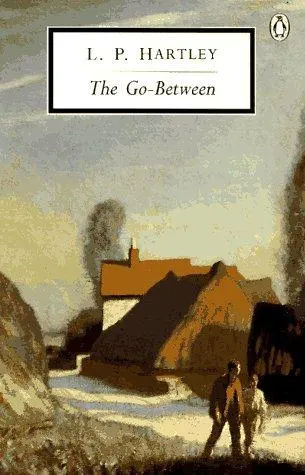
Books like The Go-Between
The Go-Between and A Month in the Country are exquisite short novels in which an English summer, recalled long afterward, becomes an elegy for a life that might have been.
If you liked The Go-Between, you’ll love these
Not lookalikes — kindred books. Each one shares something essential with The Go-Between, and we tell you exactly what.
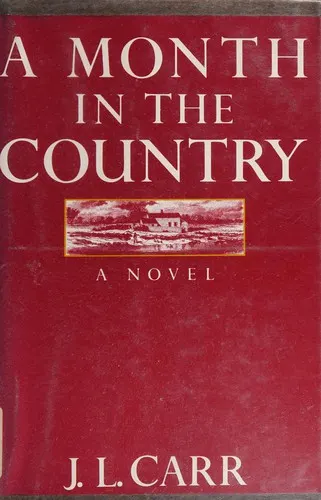
A damaged First World War veteran arrives in a Yorkshire village to uncover a medieval painting hidden beneath a church wall. Carr makes that work of restoration echo the narrator’s tentative return to life: companionship, beauty and desire emerge gradually, almost shyly.
Like Hartley, Carr understands that retrospection can intensify rather than soften pain. Every sunlit detail carries the older narrator’s knowledge that happiness was brief and only partly understood. Booker-shortlisted and cherished far beyond its modest scale, this is one of those rare novels whose final pages seem to alter everything that came before.
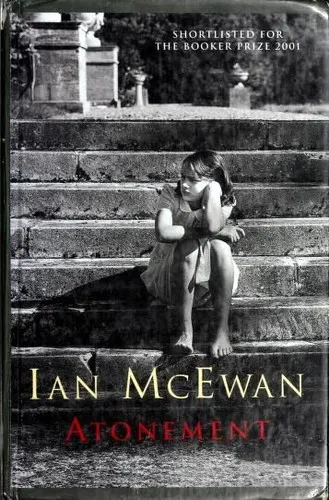
McEwan gives us another imaginative child observing the charged, secretive world of adults on a country estate—but the deepest kinship lies in his scrutiny of storytelling itself. Briony Tallis wants experience to have the order of a play; the people around her instead offer gestures, overheard fragments and emotions she cannot yet interpret.
The novel moves among consciousnesses with dazzling control, showing how class, desire and limited knowledge distort what people believe they have witnessed. Widely regarded as McEwan’s masterpiece, Atonement expands Hartley’s concern with memory and culpability into a formidable question: can telling a story ever repair the damage caused by telling it wrongly?
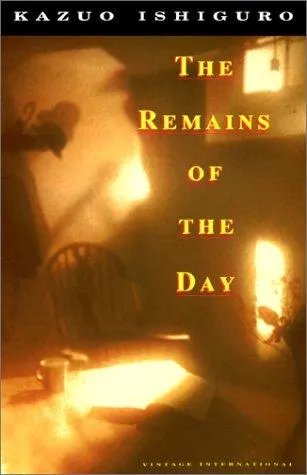
Stevens, an aging butler, sets out on a motoring holiday and begins reviewing his decades of service in a great English house. His voice is ceremonious, exact and quietly evasive; the reader soon learns to hear the feeling concealed inside his professional vocabulary.
Anyone moved by Leo’s older voice—its mixture of insight, shame and lingering self-deception—will recognize Ishiguro’s extraordinary use of an unreliable narrator who is not lying so much as protecting himself from knowledge. The class system is rendered not as scenery but as an inner discipline that governs what Stevens can admit, even to himself. Ishiguro’s Booker Prize winner is devastating precisely because it never raises its voice: its restraint becomes almost unbearable.