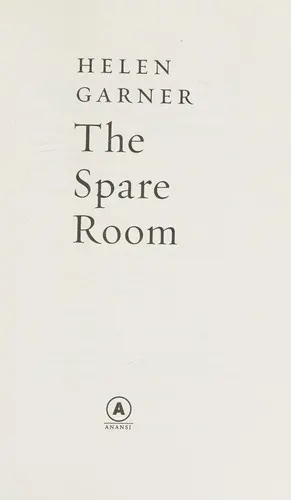
Books like The Spare Room
—because what lingers is Garner’s audacity in showing care stripped of saintliness: the bodily chores, flashes of cruelty, desperate hope and anger that love does not cancel out. These novels possess the same moral nerve.
If you liked The Spare Room, you’ll love these
Not lookalikes — kindred books. Each one shares something essential with The Spare Room, and we tell you exactly what.
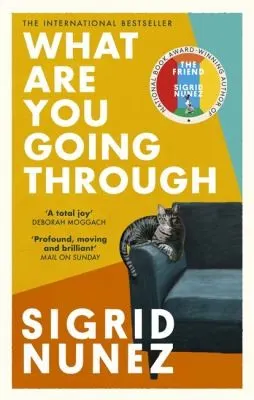
Nunez writes about illness, companionship and mortality with Garner’s allergy to consoling lies. Her narrator listens—to friends, strangers, digressions—and gradually discovers how difficult it is to accompany another person without appropriating her suffering or pretending that death can be made meaningful.
The prose is conversational but exact, moving between bleak comedy and philosophical gravity without becoming solemn. Nunez, a National Book Award winner, has an exceptional gift for making thought itself suspenseful. This is the closest match to Garner’s intimate moral scrutiny, yet its meditative, wandering intelligence makes it entirely its own.

Toews understands that loving someone in extremity can produce fury as readily as tenderness. Two sisters are bound by jokes, memories and a fierce intimacy, while one keeps trying to save the other from despair. The novel refuses to turn either woman into a symbol of suffering or devotion: everyone is funny, exasperating, needy and painfully alive.
Where Garner is flinty, Toews is antic—her sentences can make a roomful of grief suddenly, scandalously funny. That comedy never softens the book’s anguish; it makes the anguish bearable and more human. Winner of the Rogers Writers’ Trust Fiction Prize, it has become one of Toews’s most beloved novels because it voices the forbidden question beneath caregiving: what if love cannot grant us the right to decide for someone else?
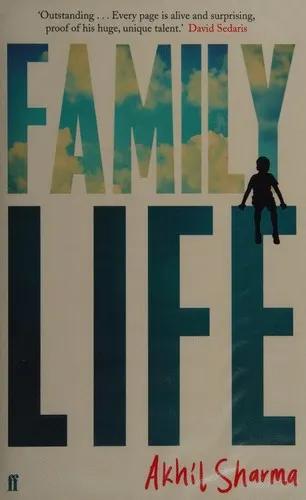
For the reader struck by Garner’s account of what prolonged care does to the caregiver, Sharma’s autobiographical novel is indispensable. He watches a family reorganize itself around catastrophe until duty, resentment, shame and love become nearly impossible to separate. No one is ennobled by suffering, and the smallest domestic details carry enormous moral weight.
Sharma’s plain sentences are almost unnervingly precise: years of damage can be compressed into a paragraph, while one humiliating thought lands with the force of a confession. That disciplined candour earned Family Life both the Folio Prize and the International Dublin Literary Award. It is a short novel with the density of lived experience—the kind of book that permanently alters how you understand sacrifice.