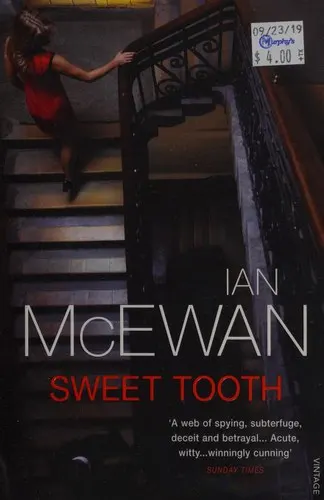
Books like Sweet Tooth
You were probably hooked not just by spies and romance, but by McEwan’s sly suggestion that reading itself can be a form of seduction—and that whoever controls the story controls the truth. These three novels turn that same idea in very different, irresistible ways.
If you liked Sweet Tooth, you’ll love these
Not lookalikes — kindred books. Each one shares something essential with Sweet Tooth, and we tell you exactly what.
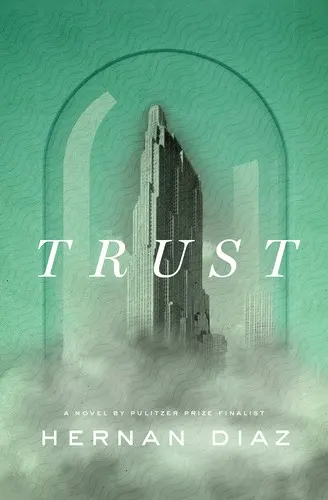
Like Sweet Tooth, Trust makes you enjoy a story and then question who constructed it, whose interests it serves, and which voices have been suppressed. Its account of a legendary financier and his enigmatic wife unfolds through competing texts, each revising the last. The result is less a puzzle with a trick solution than a gripping struggle over money, intimacy, and authorship.
Diaz’s Pulitzer Prize–winning novel has the clean momentum of popular fiction and the structural daring of high modernism. If McEwan delighted you by turning narrative manipulation into emotional drama, Trust is essential: few recent novels have made the act of revision feel so consequential.
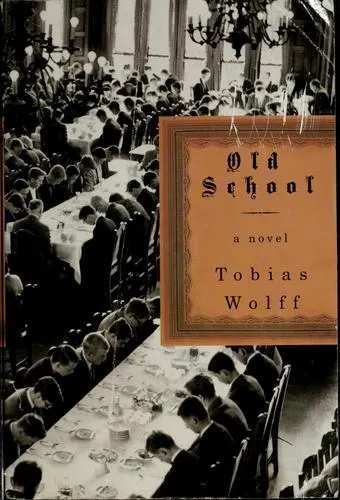
At an elite American boarding school, boys compete for the attention of visiting literary giants, treating writing as a route to glory, identity, and escape. Wolff captures the dangerous hunger beneath literary ambition: the desire not merely to write well, but to become the kind of person whose life deserves to be written.
A master of compression, Wolff builds the novel with the poise and cumulative force of his finest short stories. Its kinship with Sweet Tooth lies in its understanding that readers fall in love with imagined authors—and that writers may begin by inventing themselves. Wry, lucid, and quietly devastating, Old School is among the sharpest novels ever written about the moral cost of wanting literature too much.
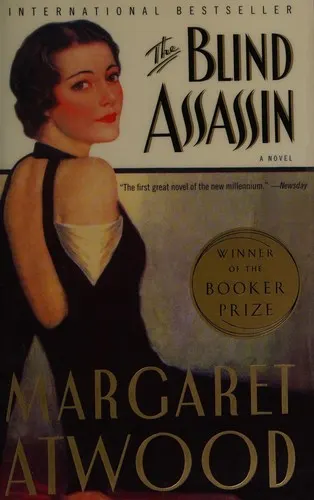
The novel opens with the death of Laura Chase, then moves among newspaper clippings, her elderly sister’s memories, a notorious book attributed to Laura, and a pulp science-fiction tale told inside that book. Atwood makes these layers compulsively readable while teaching you to notice omissions, evasions, and the charged question of who is speaking for whom.
Winner of the Booker Prize, The Blind Assassin offers the retrospective snap of Sweet Tooth on a grander, more haunting scale. Both novels entwine love with literary creation and make authorship part of the romantic mystery. Atwood’s intricate design never smothers the human ache beneath it; by the end, every embedded story has become evidence, confession, and resistance.