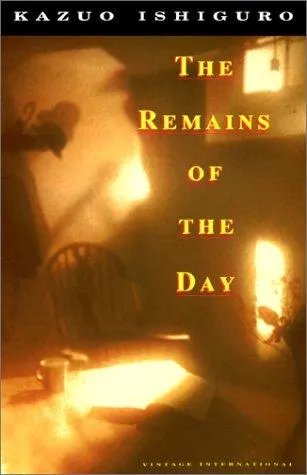
Books like The Remains of the Day
Lives governed by restraint, private codes, and truths recognized too late cast the longest shadows. These novels find immense feeling in what their characters cannot—or will not—say.
If you liked The Remains of the Day, you’ll love these
Not lookalikes — kindred books. Each one shares something essential with The Remains of the Day, and we tell you exactly what.

Like Ishiguro’s novel, The Door is a confession shaped by guilt. A writer hires Emerence, an imperious housekeeper who accepts intimacy only on her own mysterious terms; from its opening, we know the relationship ended in an act the narrator cannot forgive herself for.
Szabó reverses the servant-master dynamic and makes it volatile. Emerence’s pride in work recalls Stevens’s, but hers is ferocious rather than deferential, and the locked door to her home becomes a test of whether love permits intrusion. Len Rix’s acclaimed translation preserves prose that is lucid, severe, and emotionally scorching. Widely regarded as Szabó’s masterpiece, it asks the Ishiguro-like question that hurts most: what if our finest principles are also the instruments by which we betray someone?
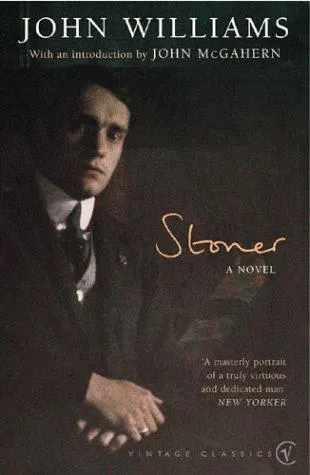
William Stoner enters university intending to study agriculture, discovers literature, and spends his life teaching it in near-obscurity. The premise sounds modest; the emotional effect is anything but. Williams observes compromise, professional duty, thwarted tenderness, and small acts of endurance without pleading for the reader’s sympathy.
A lover of Stevens’s exquisitely controlled narration will recognize the power of a life measured not by public triumph but by what its owner managed to perceive—and failed to claim. First published in 1965 and largely ignored, Stoner became an extraordinary international bestseller decades later, passed between readers as a secret classic. Its revival makes sense: few novels show so convincingly that an outwardly uneventful life can contain an entire tragedy, and perhaps a kind of victory.
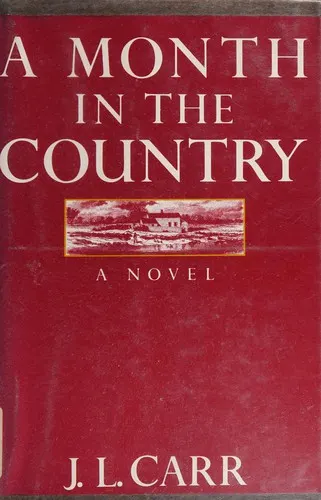
Years after the First World War, Tom Birkin remembers the summer when he arrived in a Yorkshire village to uncover a medieval wall painting. Carr builds the novel as Ishiguro builds Stevens’s journey: the beauty of the present is inseparable from the older narrator’s knowledge that it could not last.
This is not simply another restrained English novel. The gradual revelation of the painting becomes a precise image of memory itself—damaged, layered over, yet capable of returning in startling color. Carr writes about trauma and possible happiness with such lightness that the sorrow seems to emerge from the spaces between sentences. Winner of the Guardian Fiction Prize and shortlisted for the Booker, this brief novel has inspired unusually fierce devotion. It can be read in an afternoon and remembered for decades.