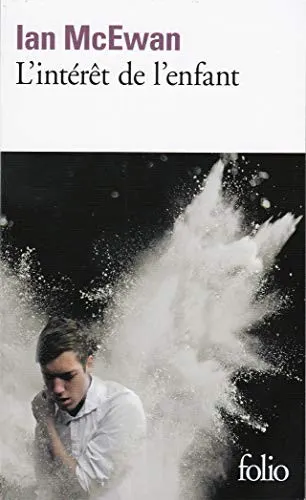
Books like The Children Act
What stays alive is the pressure McEwan packs into so little space: lucid prose, formidable adult competence, and a moral choice whose meaning shifts as public duty collides with private need. These three novels create the same aftershock by very different means.
If you liked The Children Act, you’ll love these
Not lookalikes — kindred books. Each one shares something essential with The Children Act, and we tell you exactly what.
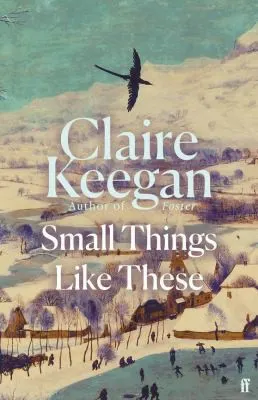
Like Fiona Maye, Bill Furlong is a respected professional whose ordinary work brings him into contact with an institution protected by custom and silence. Keegan makes invoices, coal dust and winter cold carry enormous moral weight: the question is not merely what is right, but what doing right might cost one’s family, livelihood and place in the community.
Booker-shortlisted and already regarded as a modern Irish classic, this very short novel has McEwan’s gift for turning ethical argument into lived experience. Its restraint makes the final pages feel all the more momentous.
An old friend with cancer comes to stay while pursuing an alternative treatment, and hospitality quickly becomes an ordeal of hope, denial, tenderness and rage. Garner refuses the comforting idea that love automatically makes us patient or selfless. Her narrator’s irritation is as morally important as her generosity, and every act of care raises the question of where responsibility should end.
Readers who admired Fiona’s intelligence—and the painful limits of that intelligence—will recognize Garner’s unsentimental scrutiny. One of Australia’s most admired writers, she produces here a compact, fiercely candid novel that readers often press into other people’s hands.
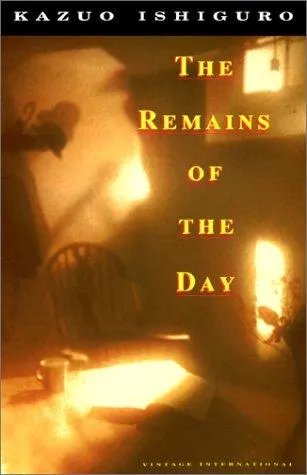
Stevens, an English butler looking back over a life devoted to impeccable service, resembles Fiona in his mastery of a demanding role and his reliance on professional form as protection against emotional disorder. Ishiguro lets tiny hesitations, evasions and revisions expose what Stevens cannot quite admit about duty, judgment and intimacy.
The novel’s moral force comes without courtroom drama or authorial verdicts: we must assess the evidence hidden inside a beautifully controlled voice. A Booker Prize winner that has become a modern classic, it is devastating precisely because it never raises its voice.