Author
Books like Philip Roth
16 books we recommend to Philip Roth readers, drawn from The Plot Against America, Portnoy's Complaint, The Human Stain, Sabbath's Theater, The Counterlife and Everyman — each with the reason why.
If you loved The Plot Against America
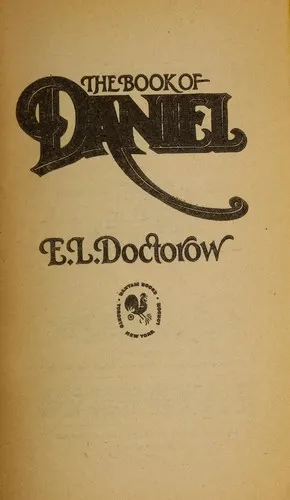
Doctorow gives you another American family whose private history cannot be separated from the country’s political passions. Daniel, the son of radicals executed for espionage, tries to reconstruct their case while exposing his own evasions, resentments and damaged loyalties. Like Roth, Doctorow understands that children experience politics first as bewilderment: strangers hate their parents, familiar institutions turn menacing, and history becomes an inheritance they never chose.
The fractured, self-interrogating narration makes this a particularly strong companion to Roth. It asks who controls a family’s story—and whether memory can ever escape ideology. A cornerstone of Doctorow’s reputation, it remains one of the fiercest American novels about the damage done when a nation turns people into symbols.
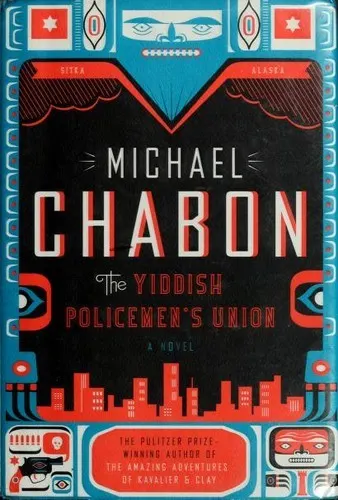
Chabon’s alternate history imagines a temporary Jewish homeland in Alaska, now approaching its expiration date. A murdered man in a shabby hotel draws detective Meyer Landsman into an investigation, but the novel’s deeper subject is the fragility of belonging: what happens when an entire people discovers that safety was only ever provisional.
Roth admirers will recognize the mixture of Jewish comedy, historical anxiety and counterfactual invention, but Chabon makes it wholly his own through exuberant language and noir momentum. Every wisecrack carries grief beneath it; every invented detail makes real history feel newly contingent. Its Hugo and Nebula awards reflect its ingenuity, but its devoted readership comes from something more intimate: this dazzling puzzle of a novel has a bruised heart.
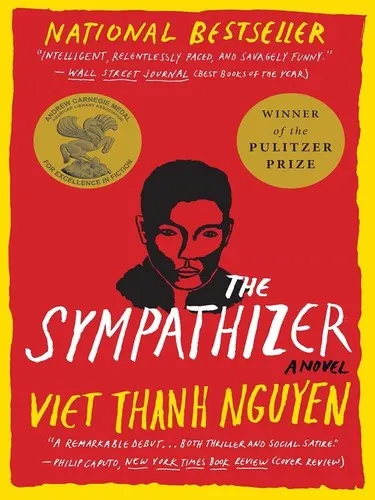
Nguyen’s Pulitzer-winning novel begins as the confession of a communist double agent embedded in the defeated South Vietnamese regime. Its narrator is a man divided against himself—politically, culturally and morally—and his dazzling voice can turn from farce to horror within a sentence.
A lover of Roth will respond to its savage intelligence about America’s preferred version of itself. Nguyen shows ideology invading friendship, desire and memory, while refusing the consolations of innocence. The comedy is not relief from the darkness but the instrument that cuts deepest. Few recent novels have been so entertaining while so ruthlessly dismantling national mythology; missing it means missing one of the defining political novels of its generation.
If you loved Portnoy's Complaint
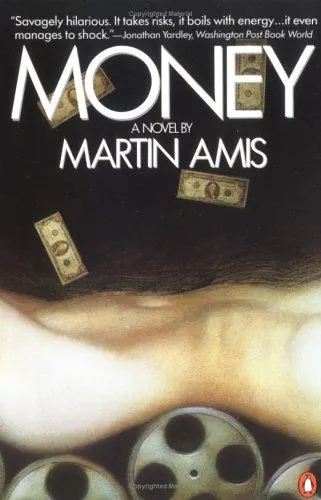
John Self, a director of commercials stumbling between London and New York, is ruled by alcohol, pornography, junk food, vanity, and cash. He narrates his degradation in prose so exuberantly inventive that reading him becomes a guilty pleasure: every sentence advertises the intelligence he squanders.
The kinship with Portnoy lies in this split between verbal mastery and moral helplessness. Self thinks his confession makes him honest; Amis lets us see how confession can become another form of evasion. Widely regarded as one of the defining British novels of the 1980s, Money turns appetite into a whole social language. Its narrator is appalling, magnetic, and unforgettable—the sort of comic monster who permanently enlarges fiction’s possibilities.
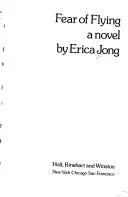
Isadora Wing begins among a plane full of psychoanalysts, already primed to examine marriage, desire, fantasy, and the stories people tell to excuse themselves. Her voice is candid, learned, funny, and defiantly indecorous; like Portnoy, she refuses to separate sex from family history, intellectual ambition, guilt, or neurosis.
But Jong also provides an exhilarating countervoice to Roth. Isadora is not simply claiming freedoms previously reserved for male narrators: she keeps testing whether sexual frankness actually produces freedom, or merely supplies a more glamorous vocabulary for confusion. A publishing phenomenon and feminist landmark, Fear of Flying earned its devoted readership through comic intelligence as much as provocation. Reading it after Portnoy feels less like visiting an imitation than hearing the other half of a fierce, necessary argument.
If you loved The Human Stain
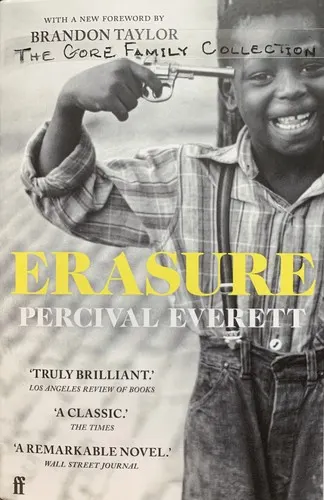
Thelonious “Monk” Ellison is an erudite Black novelist whose work is judged insufficiently Black by the publishing world. His furious response becomes a trap of its own, allowing Everett to expose how institutions reward caricature while congratulating themselves on their enlightenment.
Like Roth, Everett combines intellectual combat, family sorrow, farce, and genuine rage without reducing anyone to a position in an argument. Long a cult favorite before finding a much wider readership, Erasure is both brutally funny and emotionally costly—the rare satire whose target is not just hypocrisy but the human wish to be recognized without being simplified.

A university lecturer’s sexual misconduct precipitates a public reckoning, but Coetzee refuses the easy satisfactions of confession, punishment, or moral rehabilitation. His protagonist is vain, lucid, compromised, and stubbornly resistant to the approved language of remorse—a figure likely to fascinate anyone gripped by Coleman Silk’s collision with institutional judgment.
This Booker Prize winner is far leaner than Roth’s novel, yet every spare sentence enlarges its moral pressure. Coetzee keeps changing the terms of the case until certainty itself begins to look suspect. Few novels examine disgrace so pitilessly while remaining so alert to dignity, desire, and the limits of sympathy.
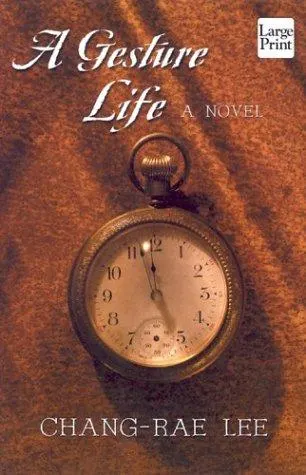
Doc Hata appears to have perfected self-invention: courteous, prosperous, admired by his neighbors, and almost unnaturally composed. Yet his immaculate public identity rests on omissions that his own elegant narration can neither fully conceal nor comfortably acknowledge.
Where Roth writes in volcanic bursts, Lee works through restraint, implication, and tiny fractures in decorum. The result is an extraordinary study of the stories people tell to make their lives inhabitable—and of the damage hidden inside apparent goodness. One of Lee’s most quietly devastating novels, A Gesture Life makes respectability feel as suspenseful and dangerous as a lie under interrogation.
If you loved Sabbath's Theater
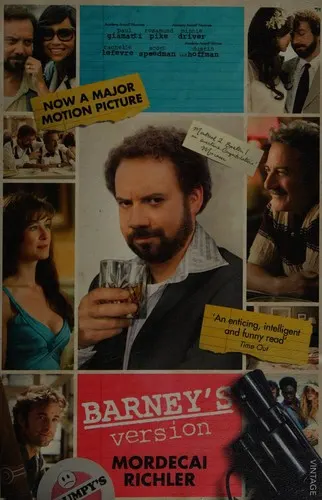
Barney Panofsky writes his memoir to rebut an enemy’s account of him, but his defense quickly becomes a disorderly performance of vanity, lust, resentment, tenderness, and selective memory. Like Sabbath, Barney is an aging Jewish provocateur whose abrasiveness conceals—or fails to conceal—an immense capacity for attachment and loss.
Richler’s final novel, winner of Canada’s Giller Prize, is warmer and more socially expansive than Roth’s, but it possesses the same comic refusal to make its rogue respectable. Its great achievement is to let bravado and grief occupy the same sentence. Barney may be unreliable about facts, but his emotional reckoning becomes devastatingly trustworthy.
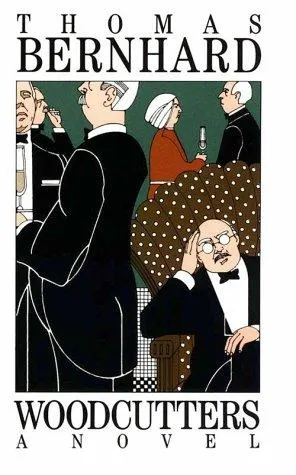
After the death of an old friend, Bernhard’s unnamed narrator attends an ‘artistic dinner’ and sits in a wing chair mentally prosecuting everyone in the room—including himself. His recursive tirade turns repetition into rhythm, disgust into high comedy, and social observation into an almost musical performance.
A reader who loved the furious theatricality of Sabbath’s voice will recognize the deeper kinship: both novels use rant as an instrument for mourning. Woodcutters is one of Bernhard’s most ferocious and accessible books; its attack on Vienna’s cultural establishment was sharp enough to provoke legal action and a temporary seizure. Yet beneath its venom lies the terrible knowledge that contempt can be a form of disappointed love. Few novels make sustained hatred so funny, exact, or strangely moving.
If you loved The Counterlife
A child dies—but Erpenbeck then asks what tiny change might have allowed her to live. From that opening, one life repeatedly branches into other possible lives, each shaped by accident, history, migration, and Jewish inheritance.
Like The Counterlife, this International Foreign Fiction Prize winner treats identity not as a stable essence but as the temporary result of circumstances and storytelling. Its revisions do not cancel what came before; every abandoned life continues to haunt the next. Erpenbeck is colder and more concentrated than Roth, but she shares his thrilling ability to make fictional structure itself carry the emotional argument. Few novels make contingency feel so intimate or so devastating.
Elizabeth Costello, an aging celebrated novelist, travels from engagement to engagement delivering lectures and entering disputes about realism, animals, evil, belief, and what writers may claim to know. Coetzee turns these encounters into a novel whose intellectual arguments are also bruising personal dramas.
A lover of Roth’s Zuckerman will recognize the dangerous author-surrogate: Costello resembles her creator without ever becoming his transparent mouthpiece. Every conviction is tested by another voice, and every public performance exposes a private weakness. Coetzee, a Nobel laureate and twice a Booker winner, refuses to provide the comfort of a final position. The result is fiction as combat—severe, sly, and alive with the suspicion that an invented person may escape the author who invented her.
An idle Dublin student writes a novel about a writer whose characters, resentful of their treatment, begin plotting against him. Stories breed inside stories; borrowed heroes collide with invented ones; creator and creature struggle over who controls the book.
This is the recommendation for readers who loved The Counterlife’s sheer audacity: its jokes about authorship, its collapsing boundaries, and its conviction that narrative authority is always vulnerable to revolt. O’Brien’s novel became a touchstone of comic metafiction, admired by writers from Graham Greene to Jorge Luis Borges, but its reputation can obscure how exhilarating it remains. It does not merely discuss alternative realities—it lets them overrun the page with anarchic, beautifully controlled energy.
If you loved Everyman
The indispensable companion to Roth’s novel. Tolstoy begins with Ivan’s death, then strips apart the respectable life that preceded it: career, marriage, possessions, and the reassuring manners by which other people keep mortality at a distance.
Like Roth, Tolstoy makes illness brutally physical while asking an even harsher question: what if death reveals that one has lived wrongly? The prose is swift, merciless, and free of sentimentality, yet the book’s final movement gives its terror a dimension Roth deliberately withholds. Few works have exerted more influence on how fiction represents dying; its brevity only intensifies its force.
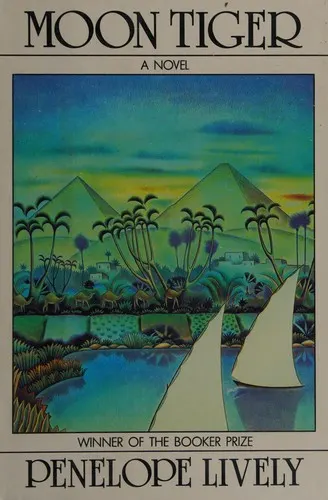
Claudia Hampton lies in a hospital bed and decides to compose a history of the world—one centered, naturally and unapologetically, on herself. Her memories arrive out of order, revising one another as lovers, family, war, ambition, and private grief return with startling immediacy.
Where Everyman’s protagonist is reduced by mortality, Claudia fights back through narration. She is vain, intelligent, difficult, sexually candid, and unwilling to become a decorous old woman. Lively’s Booker Prize–winning novel shares Roth’s refusal to sanctify the dying, but its fractured structure captures something he approaches differently: the way a whole life remains simultaneous inside the failing body. It is fierce, formally brilliant, and deeply moving without ever pleading for affection.
After receiving a terminal diagnosis, a retired classics professor in Cape Town begins a long letter to her absent daughter. Outside her house, apartheid’s violence is becoming impossible to ignore; nearby is Vercueil, a homeless alcoholic whose presence unsettles her habits, judgments, and isolation.
Coetzee joins bodily decline to moral reckoning with extraordinary pressure. Cancer is not a convenient metaphor here but an intimate humiliation, while the narrator’s intelligence cannot protect her from fear or complicity. Readers drawn to Everyman’s secular austerity will recognize the same refusal of easy redemption, though Coetzee widens the reckoning from one compromised life to a diseased society. The Nobel laureate’s famously exact prose has rarely felt more exposed or urgent.