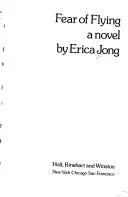
Books like Fear of Flying
Fear of Flying endures because Isadora Wing can turn an escape fantasy into a running argument with herself—lusty, learned, vain, frightened, and uproariously funny in the same breath.
If you liked Fear of Flying, you’ll love these
Not lookalikes — kindred books. Each one shares something essential with Fear of Flying, and we tell you exactly what.
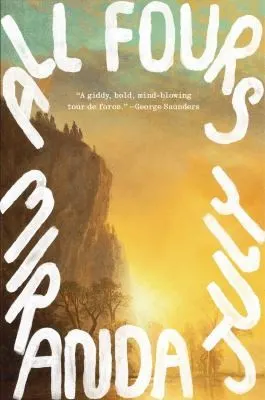
This is the rare contemporary novel that matches Jong’s nerve. Its unnamed narrator sets out on a cross-country drive, only to interrupt the journey almost immediately and begin inventing a stranger, more erotic life. July treats marriage, aging, appetite, and female self-reinvention with startling frankness—never pretending that liberation is tidy or that desire makes good sense.
A National Book Award finalist, All Fours has already inspired the kind of fervent recognition Fear of Flying once did: readers pressing it on friends because it articulates thoughts they had scarcely admitted to themselves. It is audacious, destabilizing, and extremely funny—the book to read if Isadora’s contradictions were what made you trust her.
Sally Jay Gorce arrives in Paris determined to live freely, and her voice—breathless, theatrical, observant, and gloriously indiscreet—makes freedom feel like both a splendid idea and a succession of comic disasters. She dyes her hair pink, blunders through affairs and parties, and narrates every indignity with irresistible aplomb.
Published in 1958, Dundy’s debut became a bestseller and later a cult classic because Sally Jay still feels astonishingly alive. Where Jong gives us the cerebral turmoil behind sexual independence, Dundy supplies its champagne fizz: a woman trying on selves before the culture has given her an acceptable vocabulary for doing so. Missing this novel means missing one of Isadora Wing’s most delightful literary ancestors.
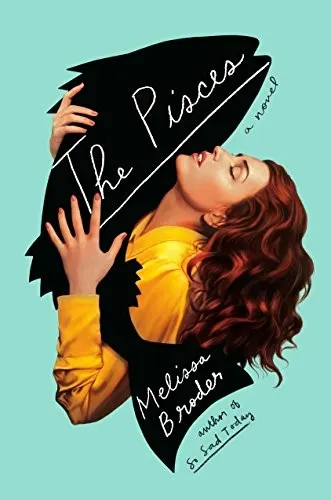
Broder takes the hunger that Fear of Flying discusses so candidly and pushes it into darker, stranger territory. Lucy, stalled on her dissertation and devastated by a breakup, goes to Venice Beach, where her longing soon acquires an improbable object. The premise may be fantastical, but the emotional anatomy is exact: obsession, self-dramatization, shame, loneliness, and the wish for sex to deliver transcendence.
Shortlisted for the Women’s Prize, The Pisces is filthy, mordantly funny, and fearless about making its heroine needy, intelligent, destructive, and sympathetic at once. Like Jong, Broder refuses the reassuring fiction that emancipated women will desire wisely. The result is a provocative novel about what fantasy promises—and why we keep believing it.