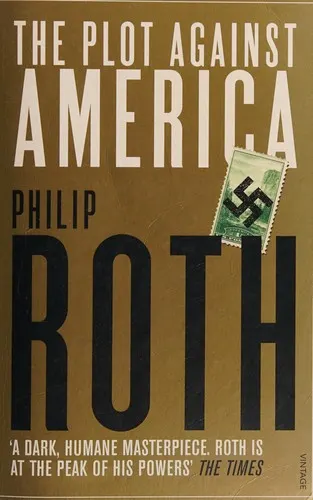
Books like The Plot Against America
What lingers is the way national catastrophe becomes family memory: history arrives through arguments at dinner, childhood shame, neighborhood rumor and the terrifying discovery that ordinary life offers no protection.
If you liked The Plot Against America, you’ll love these
Not lookalikes — kindred books. Each one shares something essential with The Plot Against America, and we tell you exactly what.
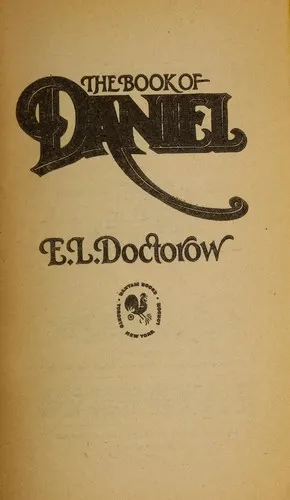
Doctorow gives you another American family whose private history cannot be separated from the country’s political passions. Daniel, the son of radicals executed for espionage, tries to reconstruct their case while exposing his own evasions, resentments and damaged loyalties. Like Roth, Doctorow understands that children experience politics first as bewilderment: strangers hate their parents, familiar institutions turn menacing, and history becomes an inheritance they never chose.
The fractured, self-interrogating narration makes this a particularly strong companion to Roth. It asks who controls a family’s story—and whether memory can ever escape ideology. A cornerstone of Doctorow’s reputation, it remains one of the fiercest American novels about the damage done when a nation turns people into symbols.
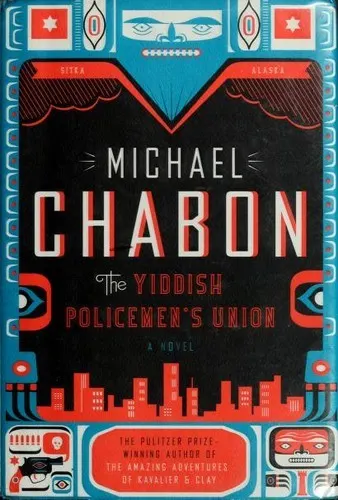
Chabon’s alternate history imagines a temporary Jewish homeland in Alaska, now approaching its expiration date. A murdered man in a shabby hotel draws detective Meyer Landsman into an investigation, but the novel’s deeper subject is the fragility of belonging: what happens when an entire people discovers that safety was only ever provisional.
Roth admirers will recognize the mixture of Jewish comedy, historical anxiety and counterfactual invention, but Chabon makes it wholly his own through exuberant language and noir momentum. Every wisecrack carries grief beneath it; every invented detail makes real history feel newly contingent. Its Hugo and Nebula awards reflect its ingenuity, but its devoted readership comes from something more intimate: this dazzling puzzle of a novel has a bruised heart.
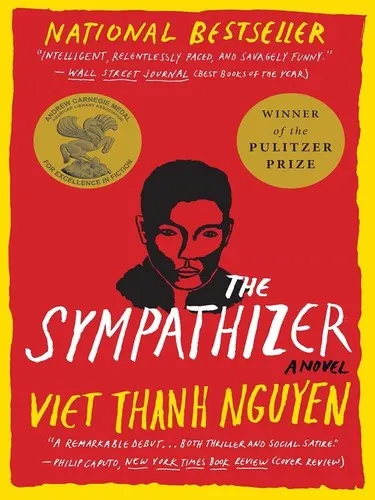
Nguyen’s Pulitzer-winning novel begins as the confession of a communist double agent embedded in the defeated South Vietnamese regime. Its narrator is a man divided against himself—politically, culturally and morally—and his dazzling voice can turn from farce to horror within a sentence.
A lover of Roth will respond to its savage intelligence about America’s preferred version of itself. Nguyen shows ideology invading friendship, desire and memory, while refusing the consolations of innocence. The comedy is not relief from the darkness but the instrument that cuts deepest. Few recent novels have been so entertaining while so ruthlessly dismantling national mythology; missing it means missing one of the defining political novels of its generation.