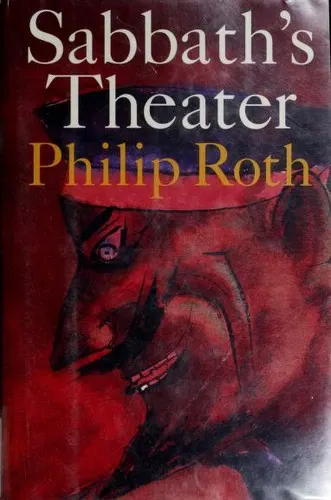
Books like Sabbath's Theater
Appetite at the grave’s edge. These novels share Roth’s exhilarating collision of indecency, grief, theatrical self-invention, and language that grows more alive as its speaker approaches ruin.
If you liked Sabbath's Theater, you’ll love these
Not lookalikes — kindred books. Each one shares something essential with Sabbath's Theater, and we tell you exactly what.
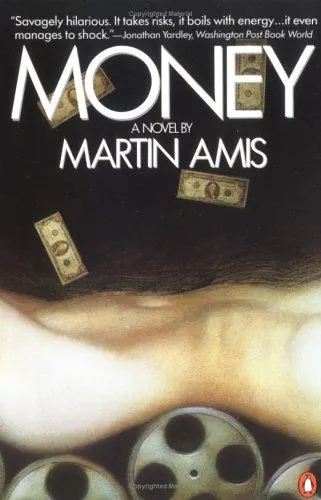
John Self, an advertising director fueled by pornography, alcohol, fast food, and bottomless self-disgust, narrates his own collapse in a voice as obscenely magnetic as Mickey Sabbath’s. Every sentence converts degradation into comedy: brands chatter, appetites become metaphysics, and the culture’s ugliest impulses acquire irresistible verbal glamour.
Widely regarded as Amis’s defining novel, Money offers the same dangerous pleasure as Sabbath’s Theater: intimacy with a man who is indefensible yet impossible to stop listening to. It is not merely a satire of excess; it is a virtuoso demonstration of how style can make moral squalor feel horribly, hilariously alive.
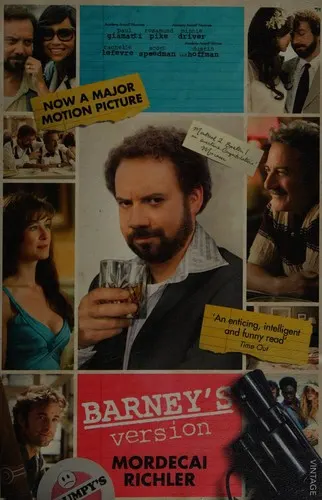
Barney Panofsky writes his memoir to rebut an enemy’s account of him, but his defense quickly becomes a disorderly performance of vanity, lust, resentment, tenderness, and selective memory. Like Sabbath, Barney is an aging Jewish provocateur whose abrasiveness conceals—or fails to conceal—an immense capacity for attachment and loss.
Richler’s final novel, winner of Canada’s Giller Prize, is warmer and more socially expansive than Roth’s, but it possesses the same comic refusal to make its rogue respectable. Its great achievement is to let bravado and grief occupy the same sentence. Barney may be unreliable about facts, but his emotional reckoning becomes devastatingly trustworthy.
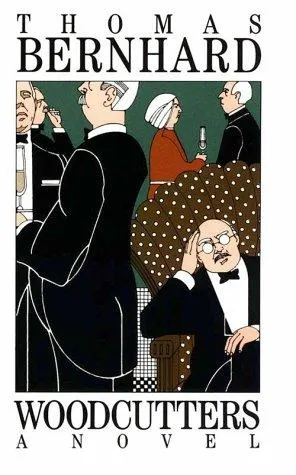
After the death of an old friend, Bernhard’s unnamed narrator attends an ‘artistic dinner’ and sits in a wing chair mentally prosecuting everyone in the room—including himself. His recursive tirade turns repetition into rhythm, disgust into high comedy, and social observation into an almost musical performance.
A reader who loved the furious theatricality of Sabbath’s voice will recognize the deeper kinship: both novels use rant as an instrument for mourning. Woodcutters is one of Bernhard’s most ferocious and accessible books; its attack on Vienna’s cultural establishment was sharp enough to provoke legal action and a temporary seizure. Yet beneath its venom lies the terrible knowledge that contempt can be a form of disappointed love. Few novels make sustained hatred so funny, exact, or strangely moving.