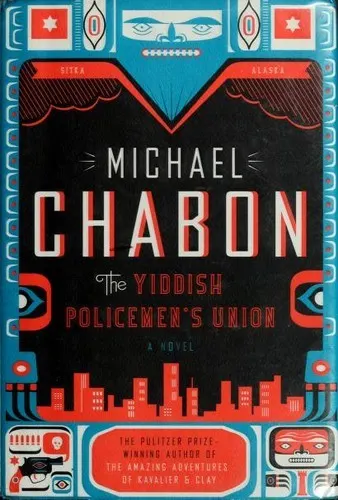
Books like The Yiddish Policemen's Union
The reader who falls hardest for The Yiddish Policemen’s Union delights in impossible places made emotionally real: mordant jokes beside genuine grief, detective machinery carrying questions of exile and belonging, and prose that can make failure sound almost magnificent.
If you liked The Yiddish Policemen's Union, you’ll love these
Not lookalikes — kindred books. Each one shares something essential with The Yiddish Policemen's Union, and we tell you exactly what.
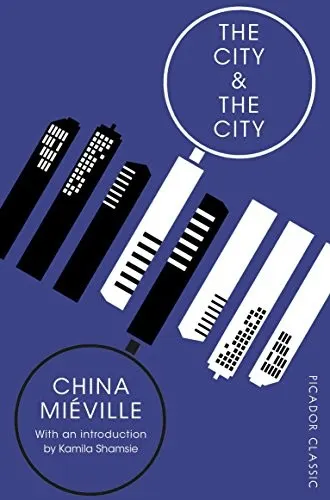
A murdered woman is discovered in Besźel, a city that occupies the same physical space as another city whose inhabitants must be carefully “unseen.” Inspector Tyador Borlú’s investigation turns that surreal civic arrangement into both a rigorous mystery and a study of how people learn not to perceive inconvenient realities.
Like Chabon, Miéville makes an invented jurisdiction feel less like a clever conceit than a pressure exerted on every citizen’s mind. His prose is leaner and colder, but he shares Chabon’s fascination with borders, compromised policemen, tribal loyalties, and places sustained by collective belief. The Arthur C. Clarke Award-winning result is one of the rare speculative detective novels in which the solution matters—and the world itself remains the greater mystery.
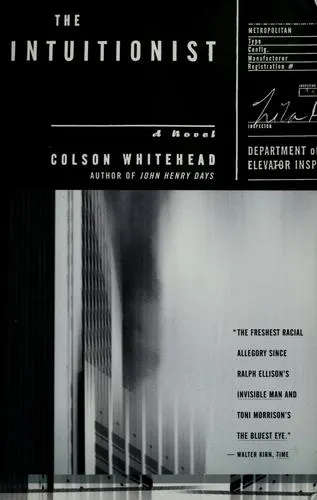
Lila Mae Watson, the city’s first Black female elevator inspector, becomes the focus of suspicion after a supposedly sound elevator catastrophically fails. She is also an Intuitionist: rather than checking machinery component by component, she listens to the elevator as though apprehending its inner life.
That premise gives Whitehead room for deadpan bureaucracy, noir pursuit, political factionalism, and an astonishingly supple metaphor about race and progress. Readers who admired how Chabon turned chess, policing, and territorial politics into expressions of displaced identity will recognize the same exhilarating transformation here: municipal absurdity becomes moral architecture. This was the debut that announced Whitehead as a major novelist, and its strange, compressed brilliance still feels unlike anything written before or since.
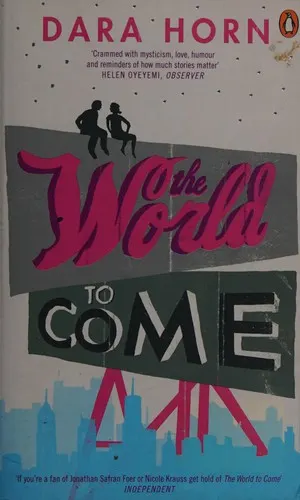
Benjamin Ziskind, a former child prodigy drifting through adulthood, recognizes a small Chagall at a museum as a work that once belonged to his family—and steals it. From that deliciously audacious opening, Dara Horn builds a mystery that reaches through generations of Jewish artists, writers, lovers, and refugees.
Where Chabon uses alternate history to ask what constitutes a homeland, Horn asks whether stories and art can preserve what history repeatedly destroys. Her comedy is intimate rather than hard-boiled, but it carries the same undertow of loss, the same delight in Jewish argument and invention, and the same refusal to separate absurdity from sorrow. Winner of the National Jewish Book Award for Fiction, it is a novel of immense imaginative warmth: playful enough to enchant, grave enough to haunt.