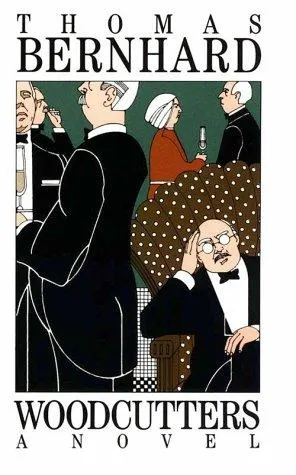
Books like Woodcutters
What if cultivated society—its art, manners, friendships, and moral poses—is mostly a machinery for disguising vanity and resentment? These novels share Bernhard’s pleasure in stripping that machinery bare.
If you liked Woodcutters, you’ll love these
Not lookalikes — kindred books. Each one shares something essential with Woodcutters, and we tell you exactly what.
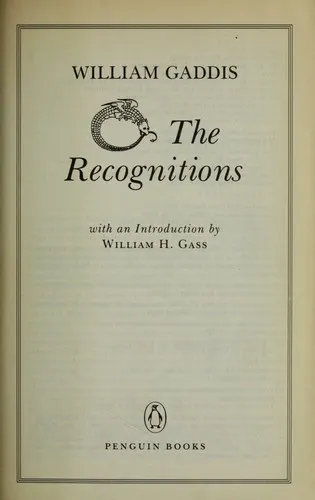
If Woodcutters made you relish the collision between serious art and the people who use art as social currency, this is the grand feast. Gaddis fills studios, bars, and parties with critics, patrons, poseurs, and creators whose talk becomes a dazzling fugue of borrowed opinions. At its center is a painter confronting a culture that prizes authenticity chiefly as something to advertise.
Where Bernhard concentrates venom into one circling voice, Gaddis disperses it through a clamorous crowd: conversations overlap, pretension exposes itself, and comic details accumulate into an indictment of cultural life. Initially misunderstood, The Recognitions became a fiercely admired landmark of postwar American fiction. Its difficulty is part of its intoxication—you learn to hear the fraudulence in every voice.

Jelinek shares Bernhard’s most Austrian suspicion: that reverence for high culture can conceal cruelty, coercion, and spiritual squalor. Erika Kohut is a piano teacher living under her mother’s suffocating control, and music offers neither transcendence nor escape; it becomes another arena for hierarchy, punishment, and thwarted desire.
The prose is cold, exact, and savagely funny, refusing the consolations that respectable society expects art to provide. Jelinek, later awarded the Nobel Prize, made this one of her defining novels because she turns psychological damage into ruthless social criticism. A Woodcutters reader will recognize the exhilarating refusal to soften judgment—and encounter an even more intimate, bodily form of horror.
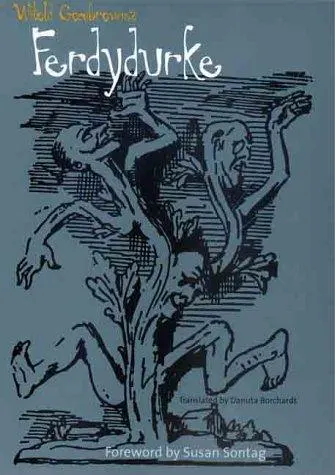
Bernhard attacks the performances of cultural sophistication; Gombrowicz attacks the very process by which other people force us into recognizable shapes. His thirty-year-old narrator is absurdly returned to school, where education, adulthood, rebellion, and refinement all reveal themselves as compulsory poses.
Ferdydurke is more antic than Woodcutters—full of grotesque reversals, verbal slapstick, and philosophical farce—but its laughter has the same destructive intelligence. Every attempt to appear mature or authentic becomes fresh evidence of dependence on an audience. A cornerstone of Polish modernism and a durable writers’ cult classic, it gives a name and comic logic to the social falseness Bernhard anatomizes. After reading it, ordinary conversation can start to look dangerously staged.