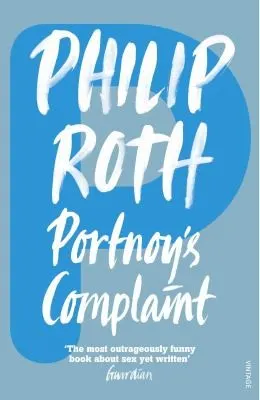
Books like Portnoy's Complaint
What lingers is the sensation of being trapped inside a virtuoso voice that converts lust, shame, family grievance, and self-disgust into comedy—then quietly turns the comedy into evidence against the speaker. These three novels reproduce that dangerous intimacy in sharply different ways.
If you liked Portnoy's Complaint, you’ll love these
Not lookalikes — kindred books. Each one shares something essential with Portnoy's Complaint, and we tell you exactly what.
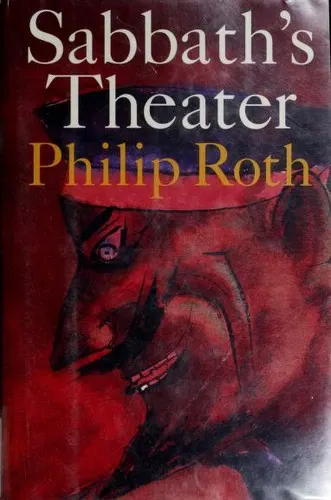
Roth’s later, darker masterpiece takes Portnoy’s reckless candor to its furthest extreme. Mickey Sabbath—an aging puppeteer, adulterer, and compulsive provocateur—uses obscenity as entertainment, armor, and attack. As with Portnoy, the comedy lies not merely in what he admits but in the manic ingenuity with which he argues his own case.
Yet this National Book Award winner has a tragic gravity that Portnoy only anticipates. Beneath Sabbath’s appetite is terror of loss, age, and extinction; the filthiest jokes keep opening onto grief. If Portnoy made you marvel that a novel could be simultaneously indecent, intelligent, and painfully revealing, Sabbath’s Theater is the indispensable culmination of that achievement.
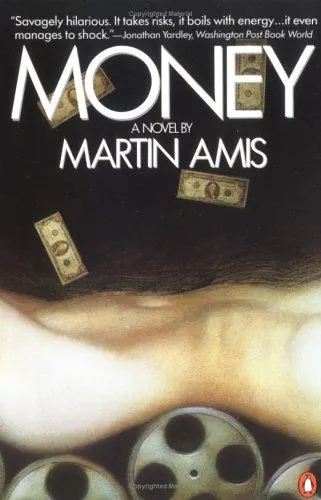
John Self, a director of commercials stumbling between London and New York, is ruled by alcohol, pornography, junk food, vanity, and cash. He narrates his degradation in prose so exuberantly inventive that reading him becomes a guilty pleasure: every sentence advertises the intelligence he squanders.
The kinship with Portnoy lies in this split between verbal mastery and moral helplessness. Self thinks his confession makes him honest; Amis lets us see how confession can become another form of evasion. Widely regarded as one of the defining British novels of the 1980s, Money turns appetite into a whole social language. Its narrator is appalling, magnetic, and unforgettable—the sort of comic monster who permanently enlarges fiction’s possibilities.
Isadora Wing begins among a plane full of psychoanalysts, already primed to examine marriage, desire, fantasy, and the stories people tell to excuse themselves. Her voice is candid, learned, funny, and defiantly indecorous; like Portnoy, she refuses to separate sex from family history, intellectual ambition, guilt, or neurosis.
But Jong also provides an exhilarating countervoice to Roth. Isadora is not simply claiming freedoms previously reserved for male narrators: she keeps testing whether sexual frankness actually produces freedom, or merely supplies a more glamorous vocabulary for confusion. A publishing phenomenon and feminist landmark, Fear of Flying earned its devoted readership through comic intelligence as much as provocation. Reading it after Portnoy feels less like visiting an imitation than hearing the other half of a fierce, necessary argument.