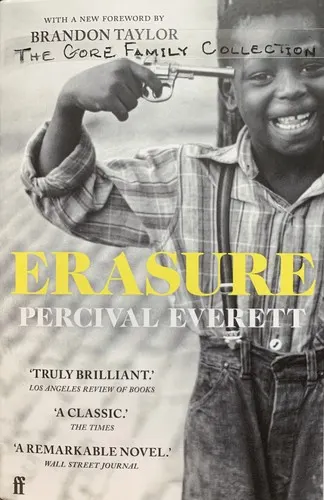
Books like Erasure
—because the real thrill of Erasure is not simply its satire of publishing, but the way Everett turns racial representation into a problem of language, performance, and artistic freedom. These three novels share that audacity without merely repeating his premise.
If you liked Erasure, you’ll love these
Not lookalikes — kindred books. Each one shares something essential with Erasure, and we tell you exactly what.
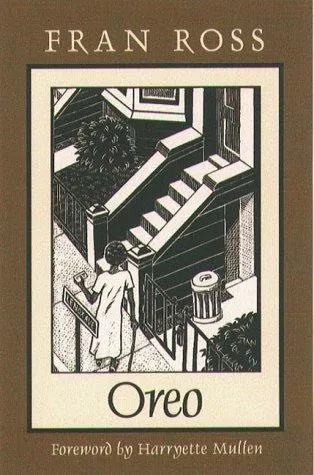
Ross’s neglected 1974 novel—now a fiercely beloved cult classic—has the verbal fearlessness an Erasure reader craves. Its biracial heroine travels in search of her absent father, but the familiar quest framework is continually detonated by jokes, diagrams, invented etymologies, Yiddish wordplay, and parodies of myth.
Like Everett, Ross refuses to make Black identity solemn, legible, or market-ready. Oreo is too intelligent to behave properly and too funny to be reduced to its themes; reading it feels like discovering a secret ancestor of today’s most formally daring fiction.
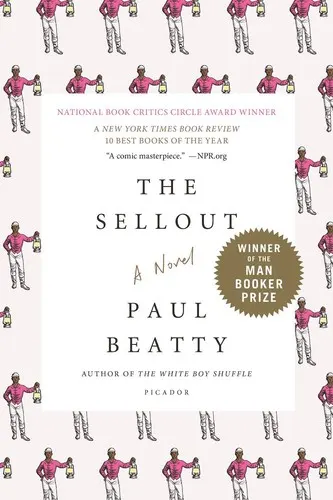
The Sellout begins with its narrator facing the Supreme Court after attempting the unthinkable in his neglected California hometown. From there, Beatty pushes racial satire beyond good taste, then keeps going until the outrageousness exposes the evasions hidden inside respectable language.
What links it to Erasure is the precision beneath the provocation: every riff interrogates who controls a story, which versions of Blackness receive approval, and how absurd American racial logic already is. Beatty’s elastic sentences are comic performances in themselves. The novel won the 2016 Man Booker Prize, but its real distinction is rarer: it is genuinely dangerous satire, capable of making you laugh before revealing exactly what the laugh implicated.
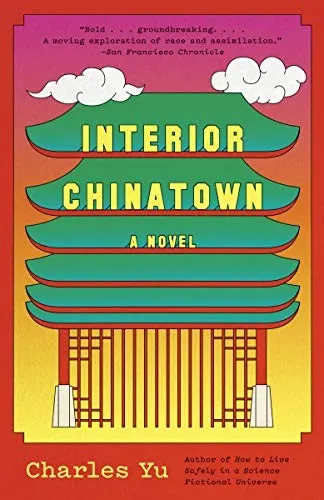
Presented largely as a screenplay, Interior Chinatown casts Willis Wu as “Generic Asian Man,” a background figure dreaming of promotion to “Kung Fu Guy.” Yu turns those roles into an entire social architecture: family history, desire, labor, and selfhood are all constrained by the parts the culture permits someone to play.
An Erasure admirer will recognize the central battle against prefabricated identity, but Yu stages it through typography, genre conventions, and shifts between television fiction and lived experience. The formal ingenuity never smothers the tenderness; its sharpest satire is inseparable from its compassion for people trying to become more than a category. Winner of the National Book Award, it is one of those rare experimental novels whose structural tricks deepen rather than distance its emotional force.