Author
Books like Salman Rushdie
9 books we recommend to Salman Rushdie readers, drawn from The Satanic Verses, Midnight's Children, Haroun and the Sea of Stories and The Moor's Last Sigh — each with the reason why.
If you loved The Satanic Verses
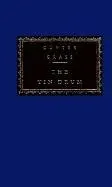
Oskar Matzerath begins writing his life story from a mental institution, armed with a piercing voice, a toy drum, and a refusal to accept the adult world’s version of reality. Like Rushdie, Grass makes the grotesque intellectually serious: bodily absurdity, vaudeville and blasphemous comedy become instruments for exposing the lies nations tell about themselves.
A defining novel of postwar Europe, The Tin Drum has the dangerous energy of a book that still refuses to behave. Its narrator is charismatic, repellent, funny and untrustworthy; its history arrives not as solemn pageantry but as carnival. Readers who loved Rushdie’s exuberant assault on purity—of identity, morality, language and historical memory—will find Grass an indispensable precursor. Breon Mitchell’s translation especially restores the prose’s pounding, unruly music.
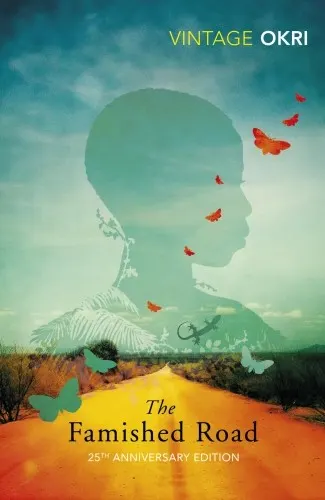
Azaro is an abiku, a spirit child divided between the living and the dead, and from the novel’s first pages his world admits no firm border between political reality, dream, folklore and vision. Ben Okri does not use the supernatural as decoration: it is how poverty, appetite, communal memory and power are experienced.
Winner of the 1991 Booker Prize, The Famished Road is more incantatory than comic, but it shares The Satanic Verses’s deepest imaginative conviction—that competing realities can coexist without being reduced to allegory. Streets mutate, spirits crowd ordinary rooms, and political promises acquire the lurid force of nightmares. Its prose can feel hallucinatory and inexhaustible, offering the rare pleasure of entering a fictional universe whose laws must be learned sentence by sentence.
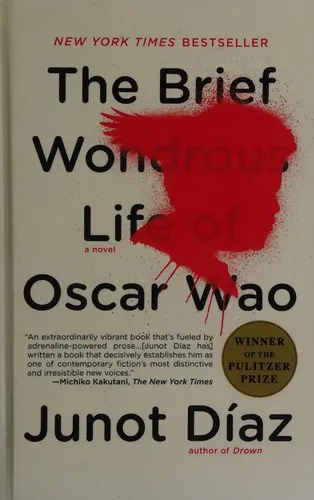
Junot Díaz begins with a curse: the fukú said to haunt the Americas, the Dominican Republic and one unlucky family. From there, the novel’s English collides joyfully with Spanish, slang, footnotes, fantasy fiction and the official vocabulary of dictatorship. That mongrel verbal confidence should thrill anyone who loved Rushdie’s insistence that migrant language need not ask permission or translate every part of itself.
Oscar—a romantic, overweight Dominican-American science-fiction obsessive—is introduced with both merciless comedy and enormous tenderness. Around him, Díaz builds a contest between private longing and the stories imposed by family, nation and empire. The novel won both the Pulitzer Prize and the National Book Critics Circle Award, but its lasting distinction is its voice: intimate, learned, profane and electrically alive. Few novels make cultural hybridity feel so much like an aesthetic superpower.
If you loved Haroun and the Sea of Stories
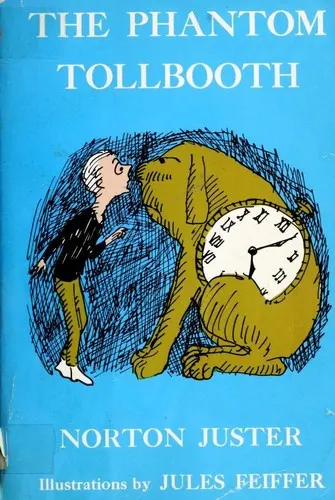
Juster shares Rushdie’s gift for turning figures of speech into physical adventures. Milo drives through a world where conclusions can literally be jumped to, words are traded in a marketplace, and rival kingdoms have made an absurd feud into public policy. The puns are not decorations: they teach Milo—and the reader—to notice how language shapes thought.
Like Haroun, this beloved children’s classic is funny without being slight. Its deepest argument is that boredom, incuriosity, and linguistic laziness surrender the world to nonsense of the worst kind. Jules Feiffer’s wiry illustrations sharpen the comedy, but it is Juster’s inexhaustible cleverness that has kept generations rereading it aloud.
September is carried from ordinary life into a Fairyland ruled by bureaucracy, coercion, and a young despot with persuasive reasons for her cruelties. Valente gives the tale a storyteller’s voice—confiding, teasing, occasionally warning us that stories know more than their heroes—and writes sentences so sensuous and surprising that the language itself feels enchanted.
Winner of the Andre Norton Award, the novel has the exuberance Haroun readers crave, but also its moral bite: imagination is inseparable from freedom, and wonderlands have politics. September’s growing courage gives all that verbal splendor a beating heart. Few modern fantasies feel so richly told rather than merely plotted.
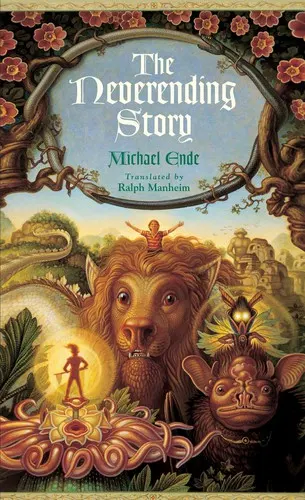
Bastian, a lonely boy hiding with a stolen book, begins reading about a realm being consumed by a mysterious Nothing. From that simple opening, Ende constructs one of fiction’s most powerful accounts of the traffic between stories and reality: why imaginary worlds need readers, what readers seek inside them, and how even wishes can carry danger.
The kinship with Haroun lies in the stakes. Storytelling is not escapism here but a force that preserves identity and makes return possible. Yet Ende’s internationally cherished classic goes further into strangeness, sorrow, and self-knowledge than its film adaptations suggest. Read the full novel and its extraordinary architecture becomes clear: it does not merely praise imagination; it tests what imagination is for.
If you loved The Moor's Last Sigh
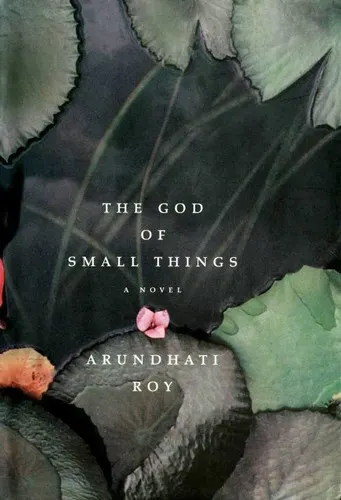
Roy shares Rushdie’s conviction that language should do more than describe catastrophe—it should refract it. Her sentences bend words through children’s ears, split solemn phrases into jokes, and make family memory feel sensuous and dangerous. The announced tragedy of the twins Estha and Rahel is inseparable from caste, politics, desire, and the rules governing who may be loved.
This Booker-winning debut is smaller and more concentrated than Rushdie’s novel, but comparably alive to the way a nation’s cruelties enter the home. Its verbal beauty is not ornament: every playful coinage sharpens the grief. Few novels make rereading feel so necessary.
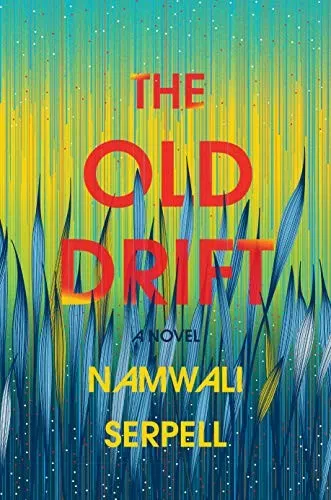
If you loved the sheer abundance of Rushdie’s storytelling, read this audacious Zambian family epic. Serpell follows three families whose accidents and obsessions become entangled with the making of a nation, moving freely among historical fiction, satire, technological speculation, and myth. A mischievous collective narrator hovers over it all, reminding us that history may belong as much to swarms and rumors as to official heroes.
Winner of the Arthur C. Clarke Award, The Old Drift has the rare maximalist confidence to keep changing its rules without losing emotional force. Like The Moor’s Last Sigh, it treats excess as a form of truth: history is too unruly for a single style.
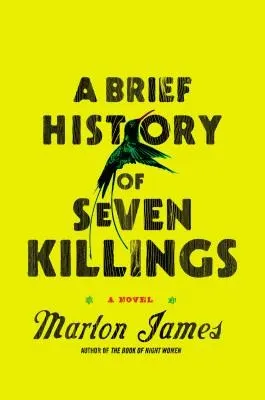
James matches Rushdie’s willingness to drag political mythology through the noisy, compromised lives that create it. Centered on the attempted killing of a Jamaican music star known as the Singer, the novel speaks through gang members, intelligence operatives, journalists, ghosts, and opportunists. Each voice has its own rhythm; together they form a furious argument about power, violence, and who gets to narrate a country.
The 2015 Booker winner is harsher than The Moor’s Last Sigh, but it offers the same exhilarating collision of private grievance and public history. Its polyphony is so commanding that the novel seems less written than overheard from an entire society at once.