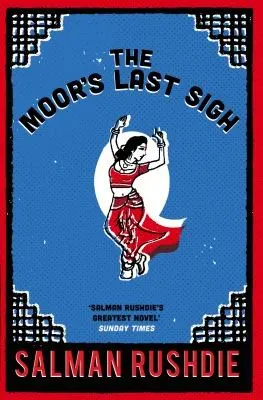
Books like The Moor's Last Sigh
The Moor’s Last Sigh turns a family chronicle into a baroque canvas: puns supply the color, while every marriage, betrayal, and inheritance bears the pressure of India’s history.
If you liked The Moor's Last Sigh, you’ll love these
Not lookalikes — kindred books. Each one shares something essential with The Moor's Last Sigh, and we tell you exactly what.
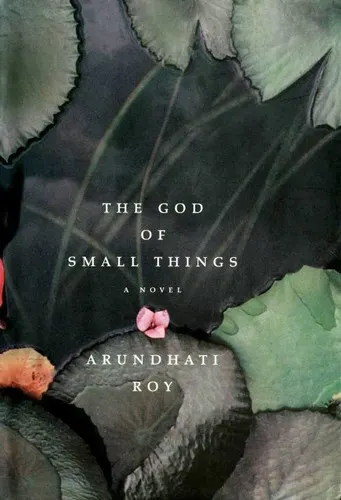
Roy shares Rushdie’s conviction that language should do more than describe catastrophe—it should refract it. Her sentences bend words through children’s ears, split solemn phrases into jokes, and make family memory feel sensuous and dangerous. The announced tragedy of the twins Estha and Rahel is inseparable from caste, politics, desire, and the rules governing who may be loved.
This Booker-winning debut is smaller and more concentrated than Rushdie’s novel, but comparably alive to the way a nation’s cruelties enter the home. Its verbal beauty is not ornament: every playful coinage sharpens the grief. Few novels make rereading feel so necessary.
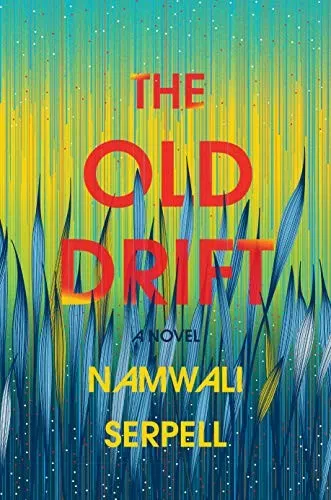
If you loved the sheer abundance of Rushdie’s storytelling, read this audacious Zambian family epic. Serpell follows three families whose accidents and obsessions become entangled with the making of a nation, moving freely among historical fiction, satire, technological speculation, and myth. A mischievous collective narrator hovers over it all, reminding us that history may belong as much to swarms and rumors as to official heroes.
Winner of the Arthur C. Clarke Award, The Old Drift has the rare maximalist confidence to keep changing its rules without losing emotional force. Like The Moor’s Last Sigh, it treats excess as a form of truth: history is too unruly for a single style.
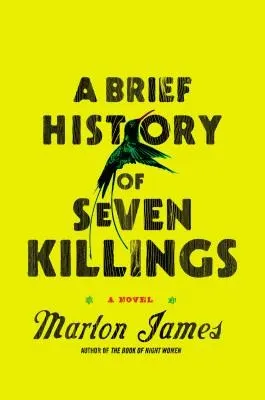
James matches Rushdie’s willingness to drag political mythology through the noisy, compromised lives that create it. Centered on the attempted killing of a Jamaican music star known as the Singer, the novel speaks through gang members, intelligence operatives, journalists, ghosts, and opportunists. Each voice has its own rhythm; together they form a furious argument about power, violence, and who gets to narrate a country.
The 2015 Booker winner is harsher than The Moor’s Last Sigh, but it offers the same exhilarating collision of private grievance and public history. Its polyphony is so commanding that the novel seems less written than overheard from an entire society at once.