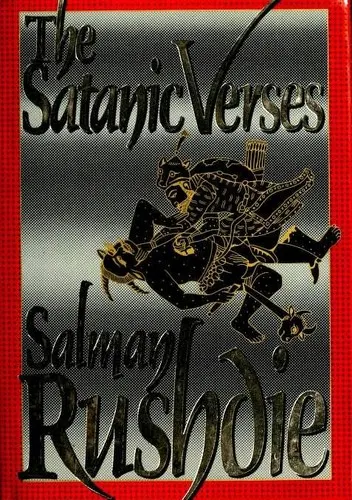
Books like The Satanic Verses
Two men pinwheel through the wreckage of an exploded airliner, singing as they fall—and reality begins yielding to migration, myth, comedy, and metamorphosis. These novels generate that same exhilarating sense that language itself can remake the world.
If you liked The Satanic Verses, you’ll love these
Not lookalikes — kindred books. Each one shares something essential with The Satanic Verses, and we tell you exactly what.
Oskar Matzerath begins writing his life story from a mental institution, armed with a piercing voice, a toy drum, and a refusal to accept the adult world’s version of reality. Like Rushdie, Grass makes the grotesque intellectually serious: bodily absurdity, vaudeville and blasphemous comedy become instruments for exposing the lies nations tell about themselves.
A defining novel of postwar Europe, The Tin Drum has the dangerous energy of a book that still refuses to behave. Its narrator is charismatic, repellent, funny and untrustworthy; its history arrives not as solemn pageantry but as carnival. Readers who loved Rushdie’s exuberant assault on purity—of identity, morality, language and historical memory—will find Grass an indispensable precursor. Breon Mitchell’s translation especially restores the prose’s pounding, unruly music.
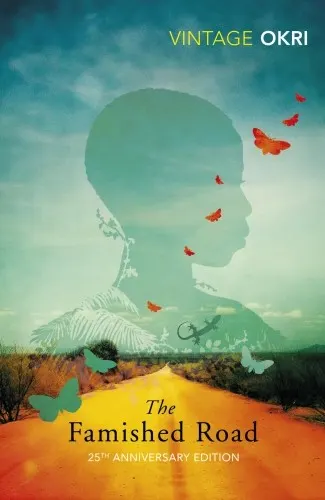
Azaro is an abiku, a spirit child divided between the living and the dead, and from the novel’s first pages his world admits no firm border between political reality, dream, folklore and vision. Ben Okri does not use the supernatural as decoration: it is how poverty, appetite, communal memory and power are experienced.
Winner of the 1991 Booker Prize, The Famished Road is more incantatory than comic, but it shares The Satanic Verses’s deepest imaginative conviction—that competing realities can coexist without being reduced to allegory. Streets mutate, spirits crowd ordinary rooms, and political promises acquire the lurid force of nightmares. Its prose can feel hallucinatory and inexhaustible, offering the rare pleasure of entering a fictional universe whose laws must be learned sentence by sentence.
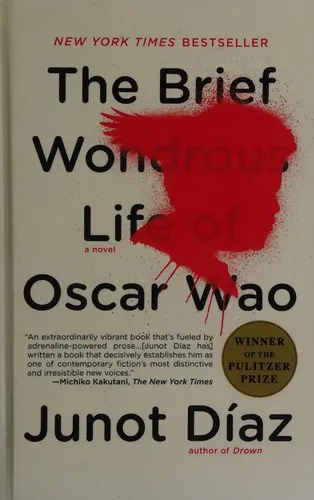
Junot Díaz begins with a curse: the fukú said to haunt the Americas, the Dominican Republic and one unlucky family. From there, the novel’s English collides joyfully with Spanish, slang, footnotes, fantasy fiction and the official vocabulary of dictatorship. That mongrel verbal confidence should thrill anyone who loved Rushdie’s insistence that migrant language need not ask permission or translate every part of itself.
Oscar—a romantic, overweight Dominican-American science-fiction obsessive—is introduced with both merciless comedy and enormous tenderness. Around him, Díaz builds a contest between private longing and the stories imposed by family, nation and empire. The novel won both the Pulitzer Prize and the National Book Critics Circle Award, but its lasting distinction is its voice: intimate, learned, profane and electrically alive. Few novels make cultural hybridity feel so much like an aesthetic superpower.