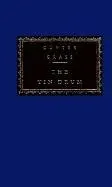
Books like The Tin Drum
Oskar’s genius is to turn childish refusal into an adult world’s indictment: every drumbeat, boast and grotesque joke exposes another respectable lie.
If you liked The Tin Drum, you’ll love these
Not lookalikes — kindred books. Each one shares something essential with The Tin Drum, and we tell you exactly what.
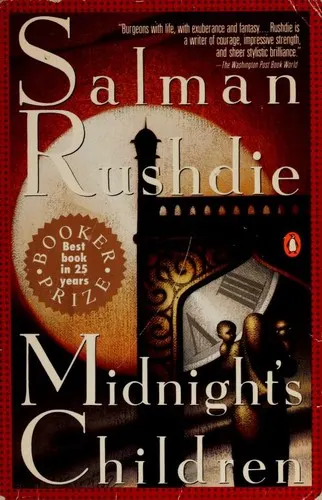
Saleem Sinai, born at the instant of Indian independence, narrates his life with Oskar-like grandiosity, dubious accuracy and bodily strangeness. Private memory and national history become inseparable—and equally vulnerable to embellishment.
Rushdie’s exuberant wordplay, comic digressions and “chutnification” of history make the novel feel inexhaustibly alive, while its jokes sharpen rather than soften its political reckoning. Winner of the Booker Prize and later twice voted the finest Booker winner, it remains the clearest proof that Grass’s audacious kind of historical novel could be reinvented rather than merely imitated.
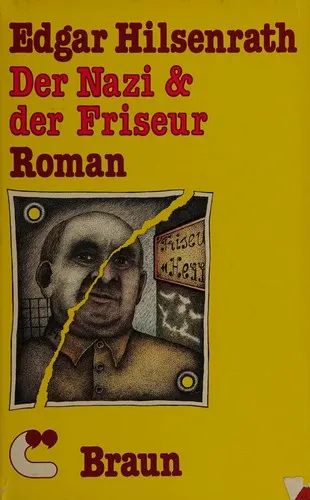
Hilsenrath takes the grotesque moral risk of letting a murderer introduce himself in a breezy, boastful voice. Like Grass, he refuses the reader the comfort of solemn historical distance: obscenity, slapstick and monstrous self-justification become instruments for exposing how prejudice and guilt inhabit ordinary speech.
West German publishers initially recoiled from the book, although it had already appeared abroad; that troubled reception is inseparable from its power. Its comedy is appalling in exactly the productive sense—laughter catches in the throat, and the narrator’s fluency becomes evidence against him. Readers who value the danger in Grass’s satire should not miss Hilsenrath’s fiercer, more concentrated provocation.
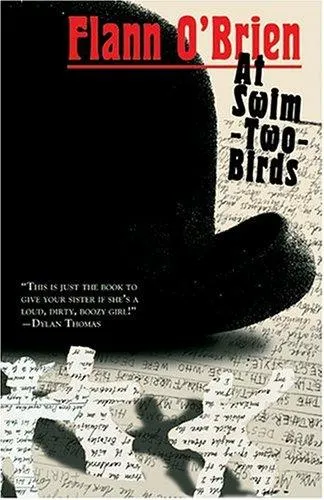
If the sheer narrative insolence of The Tin Drum was part of the pleasure, O’Brien’s comic masterpiece is essential. Its indolent student narrator begins writing a novel that immediately proliferates into competing openings, borrowed characters, mock scholarship, myth, pub talk and magnificently straight-faced nonsense.
Published in 1939 and later embraced as a cult classic and a precursor of postmodern fiction, it treats authorship itself as a dubious form of authority. O’Brien lacks Grass’s historical burden, but shares his conviction that unruly storytelling can puncture every pompous claim to order. Few novels make formal rebellion feel so companionable—or so continuously funny.