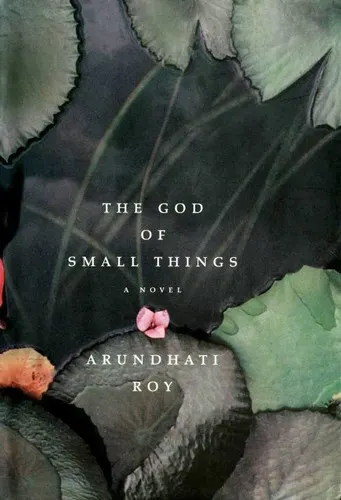
Books like The God of Small Things
A family house holds the weather of an entire country: old rooms breathe, childhood words keep changing their meaning, and beauty grows around wounds no one can quite name. These three novels make memory feel just as alive—and just as dangerous.
If you liked The God of Small Things, you’ll love these
Not lookalikes — kindred books. Each one shares something essential with The God of Small Things, and we tell you exactly what.

In an aging Old Delhi house, two sisters meet again and find that their shared childhood has hardened into radically different stories. Like Roy, Desai understands families as private mythologies: a casual slight can outlive political upheaval, while a garden, a room, or a remembered sound becomes charged with decades of feeling.
The novel moves through time with extraordinary ease, revealing how children misunderstand adults and how those misunderstandings shape whole lives. Partition remains largely at the edge of the story, yet its divisions echo through the siblings’ estrangements. Booker-shortlisted and widely regarded as one of Desai’s finest novels, Clear Light of Day is quieter than The God of Small Things but comparably devastating—an exquisite book about whether the past can ever be seen clearly enough to forgive.
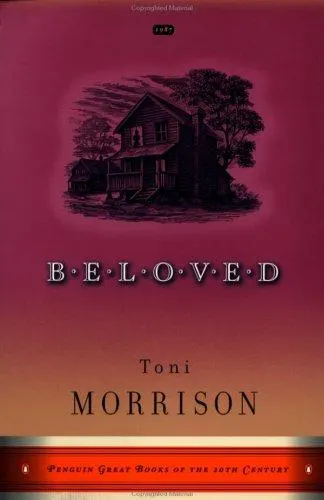
If what seized you was Roy’s ability to make trauma inhabit language itself, Beloved is indispensable. Sethe lives with her daughter in a house already violently haunted on the first page; from there, Morrison lets memory arrive in fragments, repetitions, bodily sensations, and voices that refuse orderly chronology.
Both novels ask what love becomes under conditions designed to deform it. Morrison’s prose can be incantatory, intimate, and suddenly brutal, giving historical catastrophe the immediacy of something happening inside a kitchen or a mother’s mind. Winner of the Pulitzer Prize and central to Morrison’s Nobel-crowned body of work, Beloved is not merely admired but continually reread, because its deepest meanings keep shifting. To miss it is to miss one of fiction’s supreme demonstrations of how language can carry what ordinary telling cannot.
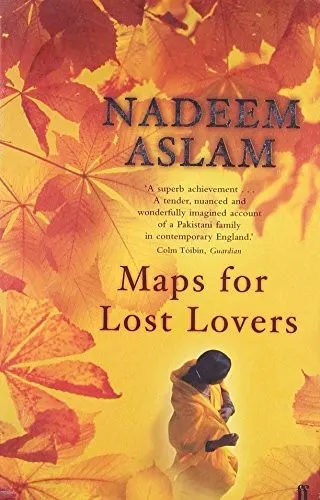
In a Pakistani community in northern England, two lovers have disappeared, and their absence exposes the tangled loyalties around them. Aslam writes winter streets, moths, fabrics, fruit, calligraphy, and human bodies with almost hallucinatory richness; beauty is never decoration but a counterforce to fear and judgment.
A Roy reader will recognize the novel’s fierce attention to people punished for loving beyond the boundaries assigned to them, and its refusal to separate domestic cruelty from religion, migration, class, and inherited shame. Yet Aslam’s sensibility is unmistakably his own: grave, sensuous, patient, and full of startling images. He spent more than a decade writing the novel, which won the Encore Award, and that devotion is palpable on every page. It is the kind of book whose sentences readers underline, then return to with dread because they know beauty will not keep anyone safe.