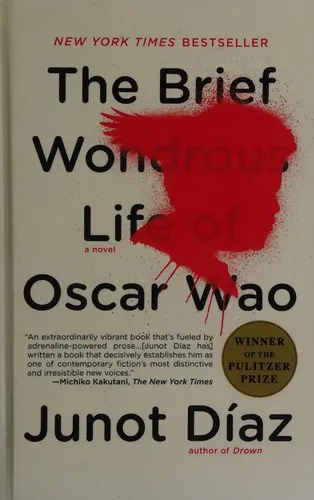
Books like The Brief Wondrous Life of Oscar Wao
You relish novels that are erudite and profane, uproariously funny until the laughter catches in your throat—books where family mythology, political terror, immigrant dislocation, and unapologetic geekery all belong to the same living voice.
If you liked The Brief Wondrous Life of Oscar Wao, you’ll love these
Not lookalikes — kindred books. Each one shares something essential with The Brief Wondrous Life of Oscar Wao, and we tell you exactly what.
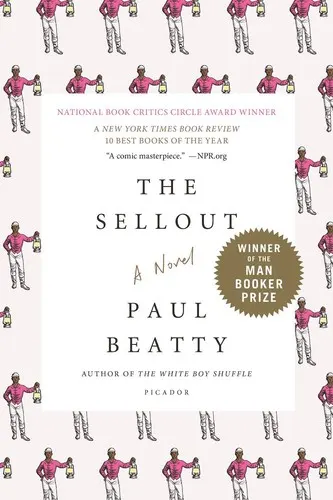
Beatty matches Díaz’s gift for turning jokes, insults, scholarship, and pop-culture debris into an instrument of moral inquiry. His narrator recounts an outrageous attempt to restore segregation in his California hometown, and the premise keeps opening into sharper questions about race, history, and the stories America tells to flatter itself.
Winner of the Booker Prize, The Sellout is among the rare comic novels whose sentences are as rewarding as its provocations. Like Oscar Wao, it demands that you keep up—and makes that demand exhilarating.
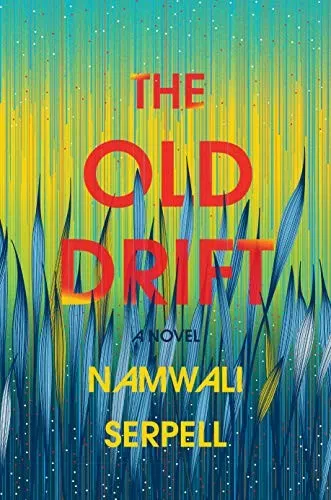
If you loved the way Oscar Wao folds a family’s private calamities into a nation’s history, Serpell offers an even more audacious multigenerational design. Three Zambian families become entangled across decades as colonialism, independence, scientific ambition, and technological dreams reshape their lives.
Serpell moves fearlessly among family saga, political history, comedy, and speculative fiction, even granting part of the narration to a swarm of mosquitoes. Winner of the Arthur C. Clarke Award, The Old Drift has the teeming intelligence and genre-hopping confidence of a novel that refuses to choose between literary grandeur and wild invention.
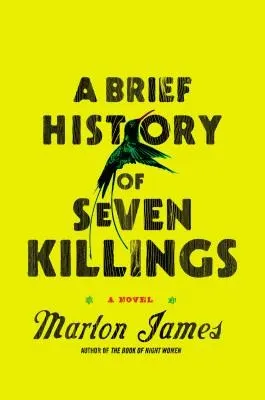
James shares Díaz’s conviction that political violence is never merely background: it enters speech, sex, memory, family, and fantasy. Beginning around the attempted assassination of Bob Marley in 1976, the novel passes its story among gangsters, journalists, intelligence operatives, and people struggling simply to survive, each voice altering what the others seem to know.
The result is brutal, musical, darkly funny, and astonishingly alive. Its Booker Prize recognized not just its scale but its virtuosity: James makes history sound like a crowd arguing at once. Readers drawn to Oscar Wao’s volatile mixture of vernacular energy, buried trauma, and authoritarian afterlife should not miss it.