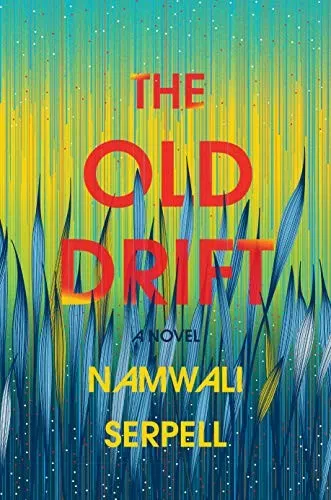
Books like The Old Drift
After The Old Drift, ordinary realism can feel underpowered: you want fiction capacious enough to hold generations, political history, myth, unruly comedy, and futures already stirring inside the present.
If you liked The Old Drift, you’ll love these
Not lookalikes — kindred books. Each one shares something essential with The Old Drift, and we tell you exactly what.
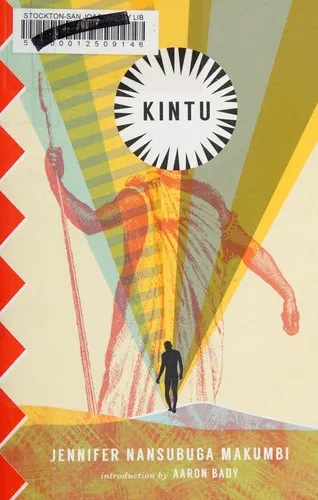
Makumbi builds Uganda’s history through one family line, beginning in the eighteenth-century kingdom of Buganda and tracing the afterlife of an ancestral catastrophe into the present. Like Serpell, she makes genealogy feel less like orderly inheritance than a volatile mixture of secrets, accidents, desires, and stories altered in the telling.
What makes Kintu indispensable is its refusal to treat Africa’s history as beginning with European arrival. Its crowded family drama is intimate, funny, spiritually charged, and intellectually alert, with competing explanations—psychological, religious, historical—for what binds the descendants together. Widely embraced as a modern Ugandan classic, it offers the rare pleasure of a family saga that seems to redraw the map beneath your feet.
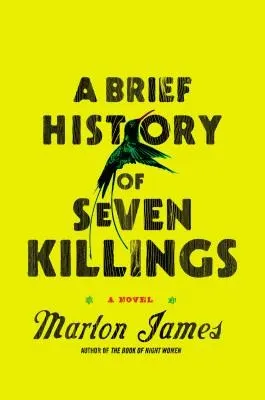
If Serpell’s swarming voices were part of the thrill, Marlon James turns polyphony into a controlled explosion. His Booker Prize–winning novel circles the attempted killing of a Jamaican reggae star known simply as the Singer, letting gang members, CIA operatives, journalists, politicians, and ghosts seize the microphone in turn.
Every voice has its own pressure, rhythm, evasions, and moral weather; history emerges not as an official account but as a cacophony of people trying to survive or manipulate it. James is darker and more ferocious than Serpell, but he shares her conviction that a nation’s story must be told from many unstable vantage points. Few novels make political history feel so immediate—or display such exhilarating command of language.
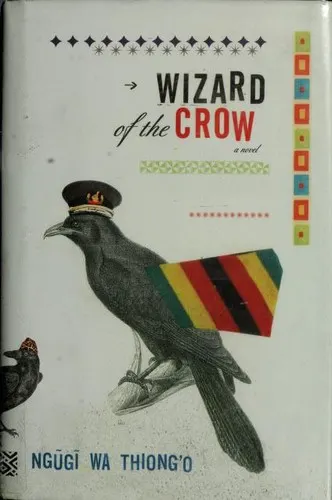
In the imaginary African dictatorship of Aburĩria, a ruler plans a tower tall enough to reach heaven, while queues, rumors, bureaucratic rituals, and a makeshift wizard begin generating consequences no one can control. Ngũgĩ’s immense comic novel treats authoritarian politics, international finance, modern medicine, folklore, and popular resistance as parts of one grotesque living system.
Translated by Ngũgĩ from his own Gĩkũyũ original, Wizard of the Crow has the expansive confidence of oral storytelling: episodes proliferate, absurdities acquire mythic force, and jokes expose structures of power more sharply than sober realism could. A reader who admired The Old Drift’s ability to make technology, history, and fable contaminate one another will find this a riotous, foundational masterpiece of African speculative satire.