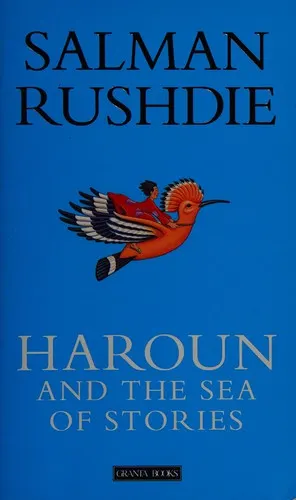
Books like Haroun and the Sea of Stories
Years later, its jokes still crackle, but the deeper pull is its faith that stories can resist silence, mend damaged bonds, and tell political truths with the lightness of play.
If you liked Haroun and the Sea of Stories, you’ll love these
Not lookalikes — kindred books. Each one shares something essential with Haroun and the Sea of Stories, and we tell you exactly what.
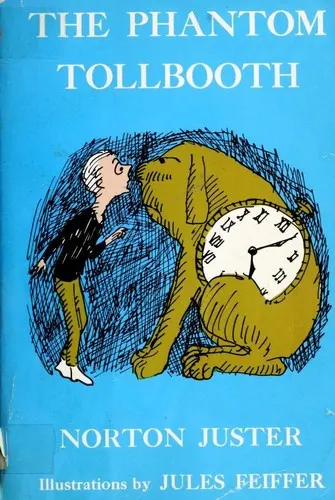
Juster shares Rushdie’s gift for turning figures of speech into physical adventures. Milo drives through a world where conclusions can literally be jumped to, words are traded in a marketplace, and rival kingdoms have made an absurd feud into public policy. The puns are not decorations: they teach Milo—and the reader—to notice how language shapes thought.
Like Haroun, this beloved children’s classic is funny without being slight. Its deepest argument is that boredom, incuriosity, and linguistic laziness surrender the world to nonsense of the worst kind. Jules Feiffer’s wiry illustrations sharpen the comedy, but it is Juster’s inexhaustible cleverness that has kept generations rereading it aloud.
September is carried from ordinary life into a Fairyland ruled by bureaucracy, coercion, and a young despot with persuasive reasons for her cruelties. Valente gives the tale a storyteller’s voice—confiding, teasing, occasionally warning us that stories know more than their heroes—and writes sentences so sensuous and surprising that the language itself feels enchanted.
Winner of the Andre Norton Award, the novel has the exuberance Haroun readers crave, but also its moral bite: imagination is inseparable from freedom, and wonderlands have politics. September’s growing courage gives all that verbal splendor a beating heart. Few modern fantasies feel so richly told rather than merely plotted.
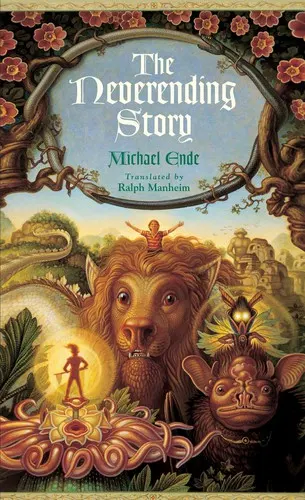
Bastian, a lonely boy hiding with a stolen book, begins reading about a realm being consumed by a mysterious Nothing. From that simple opening, Ende constructs one of fiction’s most powerful accounts of the traffic between stories and reality: why imaginary worlds need readers, what readers seek inside them, and how even wishes can carry danger.
The kinship with Haroun lies in the stakes. Storytelling is not escapism here but a force that preserves identity and makes return possible. Yet Ende’s internationally cherished classic goes further into strangeness, sorrow, and self-knowledge than its film adaptations suggest. Read the full novel and its extraordinary architecture becomes clear: it does not merely praise imagination; it tests what imagination is for.