Author
Books like Patrick White
8 books we recommend to Patrick White readers, drawn from Voss, The Tree of Man and The Vivisector — each with the reason why.
If you loved Voss
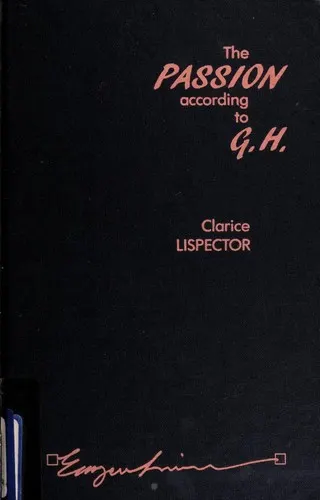
A wealthy woman enters her former maid’s room and encounters something that begins to dismantle her identity. From this almost absurdly small premise, Lispector creates an ordeal as spiritually violent as Voss’s journey: pride is stripped away, ordinary matter becomes terrifyingly alive, and mystical insight remains inseparable from disgust.
Where White projects consciousness across a continent, Lispector compresses an entire wilderness into one room. Her sentences seem to discover their thought while you read them, repeatedly approaching truths that language can barely contain. Widely regarded as one of Lispector’s masterpieces, this is essential for anyone who loved Voss not as an adventure story but as a dangerous experiment in annihilating the self.
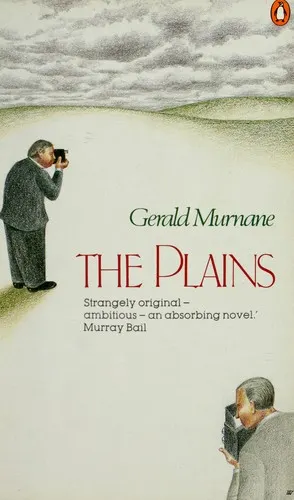
A filmmaker travels into Australia’s interior, hoping to find a wealthy patron for a project about the plains. Yet geography soon gives way to stranger territory: private systems of meaning, rival theories of landscape, and the suspicion that what matters most may always lie just beyond sight.
Murnane shares White’s ability to make the Australian interior an arena of metaphysical desire, but his method is radically different. The baroque heat of Voss becomes cool, lucid, hypnotically recursive prose. The result is a short novel with the depth and afterlife of a much longer one—a cult classic whose devoted readers return to it as though it were an inexhaustible philosophical object. To miss it is to miss one of Australian fiction’s most original answers to the question Voss asks: what are we really seeking when we enter the unknown?
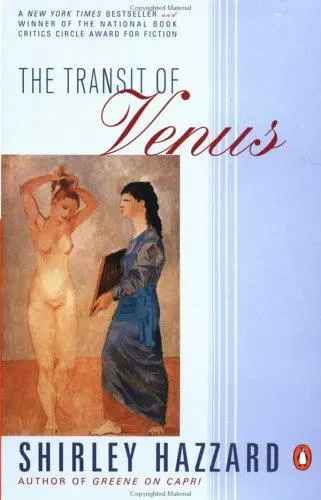
Hazzard follows two orphaned Australian sisters into postwar England, where love, ambition and social power arrange their lives in patterns they only partly perceive. The affinity with Voss lies especially in its treatment of attachment: love is not consolation but a severe form of knowledge, sharpened by separation, misreading and unequal power.
Hazzard’s style is less volcanic than White’s, yet every sentence carries pressure. Casual remarks acquire prophetic weight; images recur with altered meanings; fate is built through exact observation rather than announced. Winner of the National Book Critics Circle Award, The Transit of Venus has inspired unusual devotion because it rewards rereading almost uncannily—the whole novel seems to change once its design becomes visible. Readers who cherished the formidable intelligence and emotional distance of Laura Trevelyan will find Caro Bell impossible to forget.
If you loved The Tree of Man
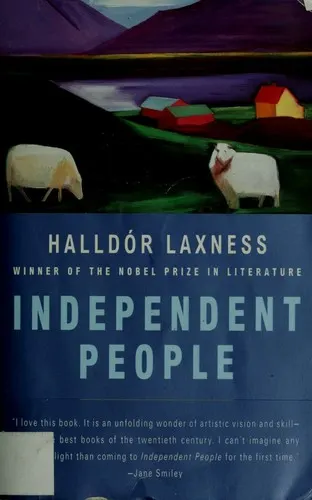
Bjartur, a former farm servant, acquires a bleak croft and stakes his identity on never depending upon another person. Laxness turns that obstinacy into comedy, tragedy, and a searching examination of what heroic self-sufficiency costs a family.
A lover of The Tree of Man will recognize the elemental scale: livestock, hunger, storms, marriage, and debt assume the force of myth without ceasing to be material facts. Yet this is no imitation of White. Laxness’s irony continually punctures Bjartur’s grandeur, making the novel at once harsher and funnier. Written by Iceland’s Nobel laureate and widely regarded as his masterpiece, it is one of the few rural family sagas that can genuinely stand beside White’s.
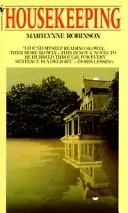
In the isolated town of Fingerbone, two orphaned sisters pass through the care of a succession of relatives while the surrounding lake, mountains, and severe seasons press upon their lives. Marilynne Robinson’s sentences make physical things shimmer with spiritual implication: frost, flooded rooms, abandoned objects, and domestic rituals seem poised between permanence and disappearance.
Where The Tree of Man is fascinated by making a home, Housekeeping asks whether any home can hold against loss. Its beauty is uncanny rather than monumental, but Robinson shares White’s gift for making landscape an active presence and neglected lives metaphysically immense. This prize-winning debut became a modern American classic because readers do not merely remember its story; they remember having inhabited its weather and its consciousness.
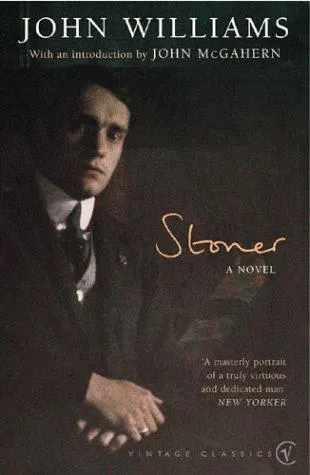
William Stoner is born to an impoverished farming family, discovers literature almost by accident, and becomes an obscure university teacher. Nothing in his life appears destined for legend—and that is precisely the source of the novel’s power.
Like White, Williams understands that endurance is not passive and that an outwardly unremarkable marriage or vocation can contain whole worlds of defeat, loyalty, cruelty, and grace. His prose is plainer than White’s, but the cumulative effect is similarly overwhelming: years gather quietly until an ordinary existence acquires the gravity of an epic. Neglected on publication and later embraced internationally with extraordinary readerly devotion, Stoner has become the rare rediscovered novel that fully deserves its second life.
If you loved The Vivisector
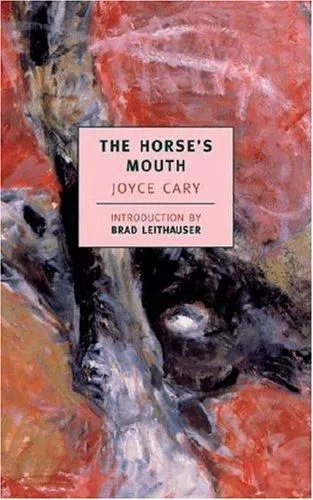
Gulley Jimson is Hurtle’s comic, disreputable cousin: an aging painter whose absolute devotion to art makes ordinary decency seem like an irritating administrative detail. He is grubby, manipulative, indigent, and irrepressibly alive; his voice turns every humiliation into profane comedy.
Cary’s acknowledged masterpiece understands, as White does, that the artist’s vision can be both genuine and morally appalling. Its wit is more buoyant than The Vivisector’s savagery, but beneath the exuberance lies the same unsettling spectacle: a man transmuting people, walls, money, and suffering into material for the work.
For the grandeur and severity of White’s inquiry into artistic vocation, read Gaddis’s enormous cult masterpiece. It immerses you in painting, forgery, faith, money, and the tormenting difference between making something true and merely producing a convincing imitation.
Its density is part of its force: conversations overlap, identities blur, and cultural brilliance coexists with fraudulence and waste. Long neglected after hostile early reviews, The Recognitions became one of the defining achievements of postwar American fiction. A reader who admired White’s refusal to make art—or artists—comforting will find Gaddis equally uncompromising and even more labyrinthine.