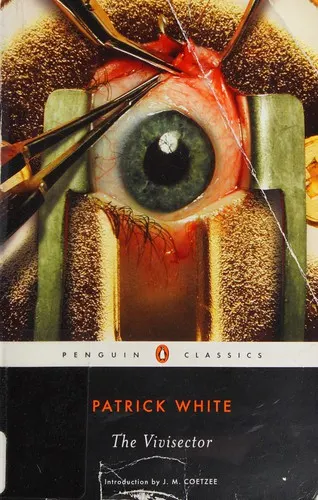
Books like The Vivisector
If Hurtle Duffield’s predatory vision, spiritual hunger, and magnificent awfulness still haunt you, these three novels approach the same dangerous question: what does artistic creation permit—and what does it consume?
If you liked The Vivisector, you’ll love these
Not lookalikes — kindred books. Each one shares something essential with The Vivisector, and we tell you exactly what.
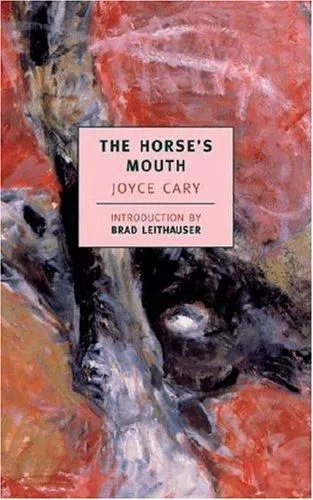
Gulley Jimson is Hurtle’s comic, disreputable cousin: an aging painter whose absolute devotion to art makes ordinary decency seem like an irritating administrative detail. He is grubby, manipulative, indigent, and irrepressibly alive; his voice turns every humiliation into profane comedy.
Cary’s acknowledged masterpiece understands, as White does, that the artist’s vision can be both genuine and morally appalling. Its wit is more buoyant than The Vivisector’s savagery, but beneath the exuberance lies the same unsettling spectacle: a man transmuting people, walls, money, and suffering into material for the work.
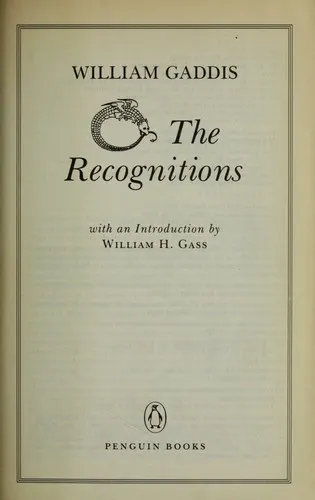
For the grandeur and severity of White’s inquiry into artistic vocation, read Gaddis’s enormous cult masterpiece. It immerses you in painting, forgery, faith, money, and the tormenting difference between making something true and merely producing a convincing imitation.
Its density is part of its force: conversations overlap, identities blur, and cultural brilliance coexists with fraudulence and waste. Long neglected after hostile early reviews, The Recognitions became one of the defining achievements of postwar American fiction. A reader who admired White’s refusal to make art—or artists—comforting will find Gaddis equally uncompromising and even more labyrinthine.

Lispector strips away the career of the artist and goes directly to the terrifying source of vision. A wealthy woman enters her former maid’s room, encounters something abject, and finds her stable identity beginning to dissolve. What follows is bodily, mystical, repellent, and ecstatic.
Like White, Lispector makes revelation inseparable from flesh: transcendence arrives not through purity but through disgust, appetite, and the collapse of civilized categories. This short novel, now recognized as one of the central works of Brazilian modernism, has the concentrated intensity of a spiritual ordeal. If The Vivisector convinced you that seeing deeply can be a form of violence, G.H. takes that conviction to its furthest edge.