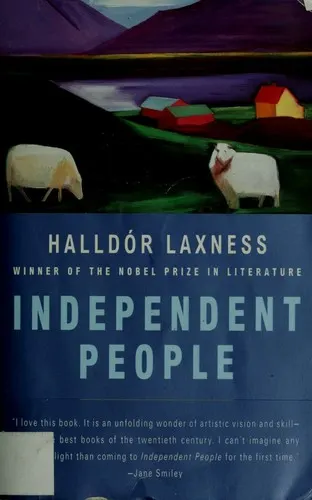
Books like Independent People
Its bleak comedy, moral ferocity, and unforgettable collision between self-reliance and human need deepen with every rereading. These three novels likewise turn poverty, pride, and ordinary labor into something at once intimate and epic.
If you liked Independent People, you’ll love these
Not lookalikes — kindred books. Each one shares something essential with Independent People, and we tell you exactly what.
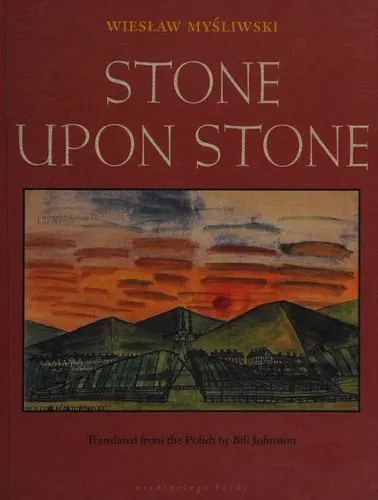
Szymek Pietruszka, a Polish peasant planning his own grave, recounts his life in a magnificent, unruly voice that wanders through family quarrels, farm work, war, courtship, and a countryside being altered beyond recognition. Like Bjartur, he is vain, funny, exasperating, and indomitable; his stories keep exposing the vulnerability beneath his swagger.
Myśliwski shares Laxness’s rare ability to make rural life neither picturesque nor merely miserable. Land is livelihood, inheritance, burden, and a whole way of thinking. Bill Johnston’s prizewinning English translation preserves the novel’s earthy humor and oral momentum. Often regarded as Myśliwski’s masterpiece, it is one of the great postwar European novels—and perhaps the closest thing to discovering another vast life hidden inside a single stubborn voice.

Mr Biswas’s desire to own a house is as comic, unreasonable, necessary, and destructive as Bjartur’s dream of independence. Surrounded by an enormous Trinidadian family that offers both security and suffocation, he fights for a private patch of existence with sarcasm, disastrous schemes, and an almost heroic refusal to submit.
Naipaul makes every shabby room and domestic humiliation concrete, yet the novel never condescends to its hero. It understands that dignity can look ridiculous from outside and still be dignity. Often judged Naipaul’s masterpiece, A House for Mr Biswas has inspired fierce affection because its comedy gradually reveals the full cost—and the genuine magnificence—of one ordinary person insisting that his life belong to him.
Sembène begins with the 1947 railway strike in French West Africa, then refuses to reduce it to leaders, slogans, or historical pageantry. The struggle enters kitchens and courtyards: water runs short, tempers flare, old hierarchies weaken, and people who seemed peripheral discover unexpected authority. The result has the social breadth of Laxness, with the same conviction that economics is never abstract—it becomes hunger, marriage, shame, courage, and argument.
Where Independent People tests the fantasy of solitary freedom, Sembène builds an equally unsentimental epic of collective strength. His poor are not ennobled into symbols; they are quarrelsome, funny, frightened, and politically alive. A foundational classic by the novelist and filmmaker who transformed African storytelling, God’s Bits of Wood makes solidarity feel not like a comforting answer, but a difficult human achievement.