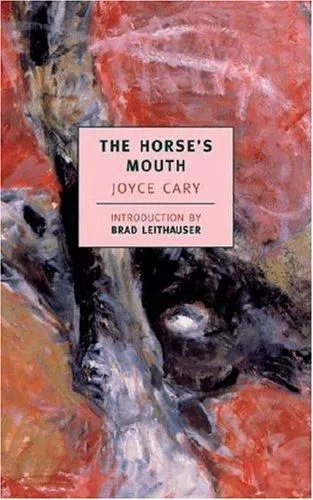
Books like The Horse's Mouth
Gulley Jimson turns artistic vocation into a license for trespass, freeloading and magnificent talk: the comedy works because his appetite for paint is as genuine as his rascality.
If you liked The Horse's Mouth, you’ll love these
Not lookalikes — kindred books. Each one shares something essential with The Horse's Mouth, and we tell you exactly what.
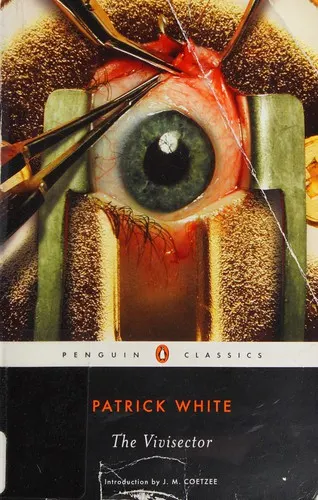
Hurtle Duffield, born into poverty and effectively purchased by a wealthy family impressed by his talent, grows into an artist who treats human beings as material to be cut open by attention. Like Jimson, he is selfish, predatory and wholly possessed by the need to make art; neither book sentimentalizes the damage such possession causes.
White’s prose is denser and the comedy more savage than Cary’s, but the painting feels equally physical—colour, bodies and surfaces become a way of thinking. Written by the future Nobel laureate and widely considered one of his major novels, The Vivisector is among fiction’s most formidable accounts of artistic creation: not the romance of genius, but its appetite, cruelty and strange holiness.
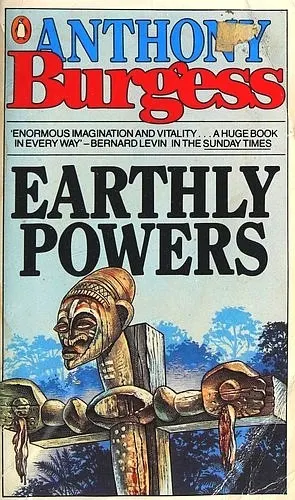
At eighty-one, popular novelist Kenneth Toomey begins explaining himself. The result is a huge, flamboyant memoir filled with wit, vanity, evasions and sudden moral seriousness. Anyone delighted by Jimson’s ability to turn self-justification into performance will recognize the pleasure of being trapped inside another incorrigibly theatrical voice.
Toomey is smoother and more worldly than Jimson, but he shares the old painter’s gift for converting disgrace into anecdote. Burgess makes the life of an artist inseparable from compromises over money, reputation, sex and belief. Booker-shortlisted and often named as Burgess’s masterpiece, Earthly Powers has the abundance of several novels and one of the great opening voices in modern fiction.
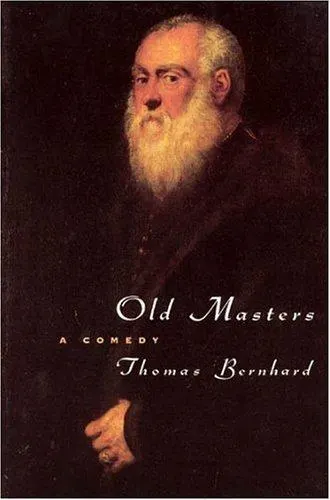
In Vienna’s Kunsthistorisches Museum, the music critic Reger repeatedly sits before Tintoretto’s White-Bearded Man and denounces nearly everything: celebrated painters, national culture, public institutions and the solemn worship of masterpieces. His tirades coil, repeat and escalate until irritation becomes a dazzling comic music.
Bernhard’s novel—pointedly subtitled A Comedy—shares Cary’s refusal to treat art with polite reverence. Reger attacks art because he needs it, just as Jimson’s mockery never diminishes his devotion to painting. Short, ferocious and oddly moving, Old Masters reveals how aesthetic obsession can be simultaneously ridiculous, sustaining and necessary. Few novels are so exhilaratingly rude about great art while understanding so precisely why we cannot live without it.