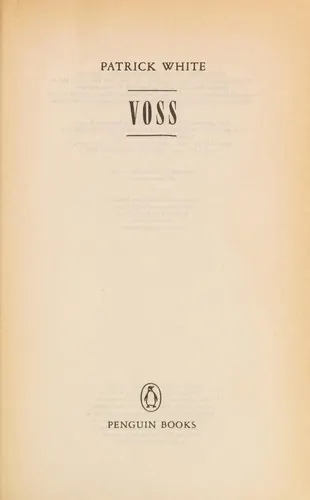
Books like Voss
The reader enthralled by Voss accepts difficulty as the price of intensity: grandiose minds, love conducted across distance, landscapes charged with metaphysical force, and prose that can turn pride or suffering into revelation. These three novels pursue that intensity in strikingly different directions.
If you liked Voss, you’ll love these
Not lookalikes — kindred books. Each one shares something essential with Voss, and we tell you exactly what.
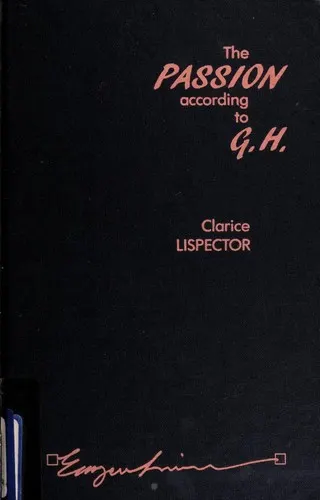
A wealthy woman enters her former maid’s room and encounters something that begins to dismantle her identity. From this almost absurdly small premise, Lispector creates an ordeal as spiritually violent as Voss’s journey: pride is stripped away, ordinary matter becomes terrifyingly alive, and mystical insight remains inseparable from disgust.
Where White projects consciousness across a continent, Lispector compresses an entire wilderness into one room. Her sentences seem to discover their thought while you read them, repeatedly approaching truths that language can barely contain. Widely regarded as one of Lispector’s masterpieces, this is essential for anyone who loved Voss not as an adventure story but as a dangerous experiment in annihilating the self.
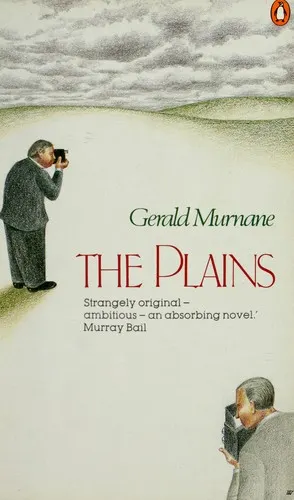
A filmmaker travels into Australia’s interior, hoping to find a wealthy patron for a project about the plains. Yet geography soon gives way to stranger territory: private systems of meaning, rival theories of landscape, and the suspicion that what matters most may always lie just beyond sight.
Murnane shares White’s ability to make the Australian interior an arena of metaphysical desire, but his method is radically different. The baroque heat of Voss becomes cool, lucid, hypnotically recursive prose. The result is a short novel with the depth and afterlife of a much longer one—a cult classic whose devoted readers return to it as though it were an inexhaustible philosophical object. To miss it is to miss one of Australian fiction’s most original answers to the question Voss asks: what are we really seeking when we enter the unknown?
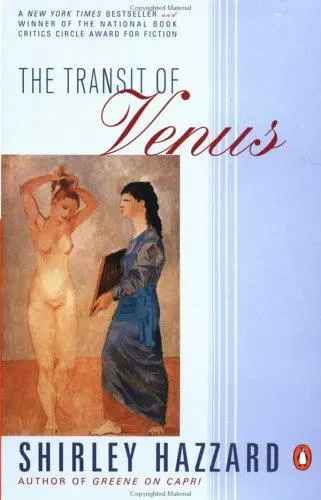
Hazzard follows two orphaned Australian sisters into postwar England, where love, ambition and social power arrange their lives in patterns they only partly perceive. The affinity with Voss lies especially in its treatment of attachment: love is not consolation but a severe form of knowledge, sharpened by separation, misreading and unequal power.
Hazzard’s style is less volcanic than White’s, yet every sentence carries pressure. Casual remarks acquire prophetic weight; images recur with altered meanings; fate is built through exact observation rather than announced. Winner of the National Book Critics Circle Award, The Transit of Venus has inspired unusual devotion because it rewards rereading almost uncannily—the whole novel seems to change once its design becomes visible. Readers who cherished the formidable intelligence and emotional distance of Laura Trevelyan will find Caro Bell impossible to forget.