Author
Books like Martin Amis
10 books we recommend to Martin Amis readers, drawn from Money, Time's Arrow, The Rachel Papers and The Information — each with the reason why.
If you loved Money
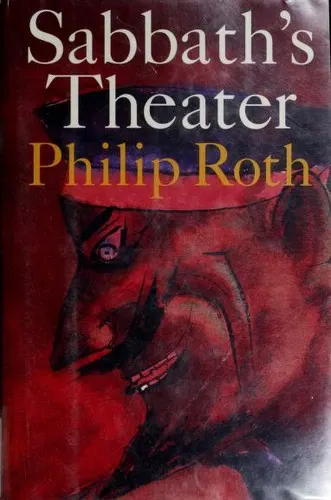
Mickey Sabbath is John Self’s spiritual relative: ravenous, obscene, self-sabotaging and horribly gifted at making his degradation entertaining. Roth gives his disgraced puppeteer a voice of relentless comic invention; every grievance swells into performance, and every performance threatens to become confession.
Winner of the National Book Award and often regarded as one of Roth’s fiercest novels, it matches Money’s rare fusion of verbal exuberance and moral ugliness. Sabbath is not softened into likability. Instead, Roth makes his monstrous appetite so alive on the page that disgust becomes inseparable from exhilaration.
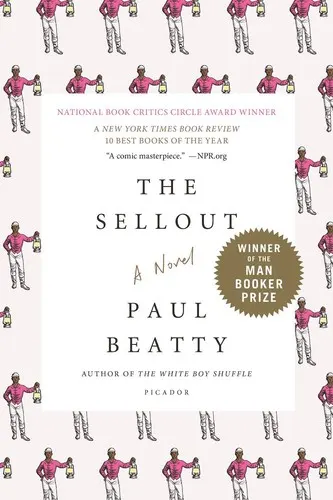
Read this for the shock of sentences that seem capable of saying anything. Beginning with its narrator before the US Supreme Court, The Sellout turns American pieties inside out through deadpan argument, surreal escalation and jokes whose precision only makes them more dangerous.
The first American novel to win the Booker Prize, it shares Money’s belief that satire should not stand at a tasteful distance from its targets. Beatty implicates the speaker, the reader and the language itself. His subject is different, but the experience is kin: comic momentum so ferocious that you laugh first and discover the wound a moment later.
Exley’s cult classic offers the intimate, bruising side of what Money does. Its narrator—grandiose, alcoholic, intermittently institutionalized and devoted to the New York Giants—records failure with a candor that never excludes vanity. He can diagnose his ruin brilliantly while remaining helplessly committed to it.
The style is less neon than Amis’s, but the central magic is identical: a disastrous man seizes control of the book through sheer vocal force. Funny, humiliating and painfully alert to the distance between the life one imagines and the life one lives, A Fan’s Notes is the book to read when John Self’s comedy has left you wanting the ache beneath the swagger.
If you loved Time's Arrow
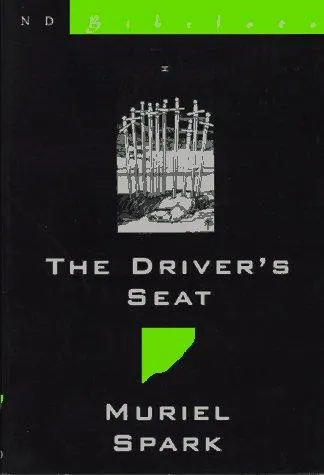
Spark’s cult classic shares Amis’s gift for making inevitability feel stranger than suspense. From the outset, it dismantles the usual crime-novel sequence, disclosing outcomes while withholding motives. The effect is not reassurance but vertigo: every banal purchase and brittle conversation seems to obey a design the reader cannot yet understand.
At barely novella length, it has Time’s Arrow’s merciless compression, macabre comedy, and cool refusal to explain away its central consciousness. Spark’s sentences are blades; her structural trick is not decoration but the source of the book’s terror. Missing it means missing one of the boldest demonstrations that foreknowledge can make a novel more mysterious, not less.
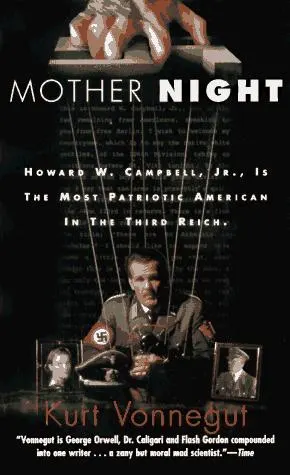
From his Israeli prison cell, Howard W. Campbell Jr.—an American who became a celebrated Nazi propagandist while claiming to work secretly for the Allies—offers his memoir and his defense. That opening predicament gives Vonnegut access to the question haunting Time’s Arrow: can an inner account absolve the outward life that history records?
Vonnegut’s famous maxim from the book, that we are what we pretend to be, sounds jaunty until the novel tightens it into a moral trap. The deadpan jokes never soften the horror; they show how charm, performance, and clever narration can become forms of complicity. One of Vonnegut’s most admired novels, Mother Night is leaner and more ethically severe than his reputation for whimsy suggests—and its final judgment is difficult to shake.
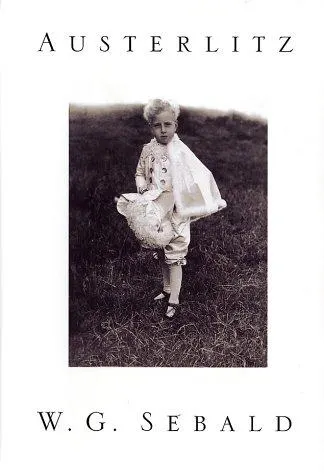
Sebald offers the opposite of Amis’s velocity: long, tidal sentences in which photographs, buildings, chance meetings, and half-buried recollections accumulate until time seems to exist all at once. Yet the kinship is profound. Both novels distrust ordinary chronology because ordinary chronology cannot adequately contain historical catastrophe.
The narrator’s encounters with the enigmatic Jacques Austerlitz gradually become an inquiry into memory’s evasions and returns. Sebald’s hybrid of fiction, essay, travelogue, and uncaptioned images creates an atmosphere unlike almost anything else in modern literature: documentary and dreamlike, intimate and immense. Winner of the National Book Critics Circle Award and widely regarded as Sebald’s masterpiece, Austerlitz does not merely describe the past’s persistence; it changes the reader’s sense of what remembering is.
If you loved The Rachel Papers
If Charles’s meticulous accounting of lust made you laugh even while recoiling from him, Alexander Portnoy is essential company. Speaking to his psychoanalyst in one sustained eruption, he turns desire, family grievance, shame and self-exoneration into manic comic rhetoric. Like Charles, he can diagnose his every motive without acquiring the slightest power over it.
Roth’s scandalous breakthrough became a landmark of postwar American fiction because its obscenity is inseparable from its intelligence: every outrageous confession tightens the narrator’s trap. It is louder and more fevered than The Rachel Papers, but driven by the same exhilarating question—what if dazzling self-knowledge merely made a man better at lying to himself?
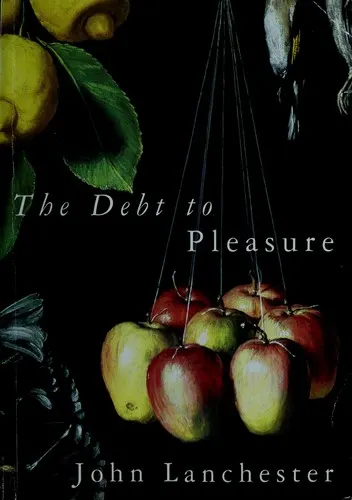
Tarquin Winot invites us on a seasonal culinary tour, dispensing recipes, aesthetic judgments and memories in prose of exquisite assurance. But his cultivation soon begins to feel like domination. He classifies tastes and people with the same fastidious entitlement Charles applies to women, and the pleasure lies in noticing what his elegant arrangements cannot quite conceal.
Winner of the Whitbread First Novel Award, Lanchester’s debut has earned enduring devotion as a small masterpiece of the unreliable voice. Where Amis is grubby, hormonal and explosive, Lanchester is polished, epicurean and chillingly composed. Read it for the rare thrill of being charmed by a narrator while every beautifully chosen word gives you another reason not to trust him.
If you loved The Information
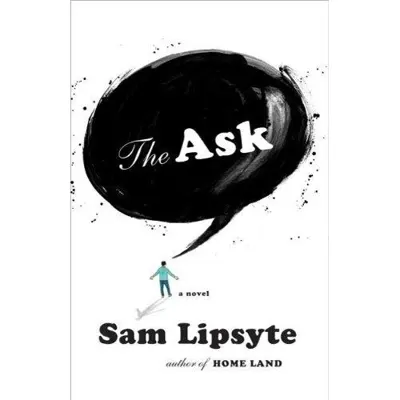
Milo Burke is a failed painter reduced to soliciting donations for a third-rate university, where every conversation becomes an exchange of humiliations disguised as professional courtesy. Like Richard Tull, he possesses enough intelligence to diagnose his failure perfectly—and nowhere near enough wisdom to escape it.
Lipsyte’s sentences have Amis’s appetite for the lethal aside: jokes arrive as compressed social judgments, exposing vanity, money and self-deception at once. Yet The Ask is distinctly American in its anxieties about employment, debt and the monetization of everything. It is one of the sharpest comic novels of its generation, and anyone who relished The Information’s combination of linguistic dazzle and spiritual squalor should not miss it.
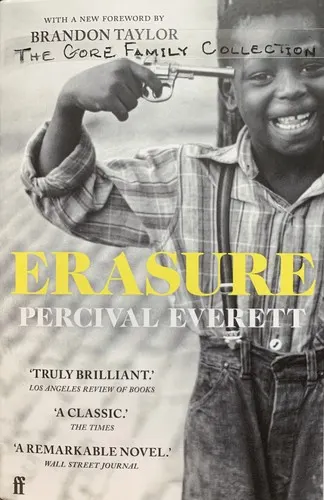
Thelonious “Monk” Ellison writes formally adventurous novels that scarcely sell, while the publishing world rewards a caricature of Black life he finds artistically fraudulent. His furious response begins as an act of contempt—but contempt, recognition and ambition prove impossible to keep neatly separate.
A lover of The Information will recognize the cruel precision with which Everett examines literary status: the reviews, categories and market judgments that writers claim to despise while allowing them to determine their worth. But Erasure expands the wound beyond professional jealousy, asking who gets to define authenticity and what happens when satire becomes commercially useful. Long regarded as one of Everett’s defining novels, it is both devastatingly funny and formally audacious—the rare literary satire with something larger than the literary world at stake.