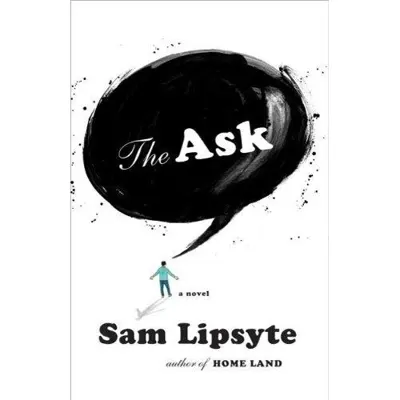
Books like The Ask
After Milo Burke’s abasements, one wants more comedy that turns failure, institutional cant, and economic desperation into sentences sharp enough to draw blood—without sparing the wounded narrator.
If you liked The Ask, you’ll love these
Not lookalikes — kindred books. Each one shares something essential with The Ask, and we tell you exactly what.
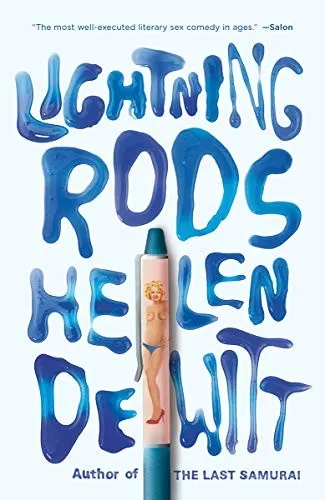
Joe is a chronically unsuccessful salesman who converts an appalling daydream into a corporate innovation. DeWitt follows his reasoning with such immaculate deadpan logic that every moral catastrophe begins to sound like sensible management policy.
Like The Ask, this cult favorite understands that capitalism’s most sinister instrument is often its vocabulary: humiliation becomes opportunity, exploitation becomes efficiency, and failure merely proves you have not optimized hard enough. It is shorter and even more ruthlessly engineered than Lipsyte’s novel—a pristine comic machine whose premise grows more plausible the more outrageous it becomes.
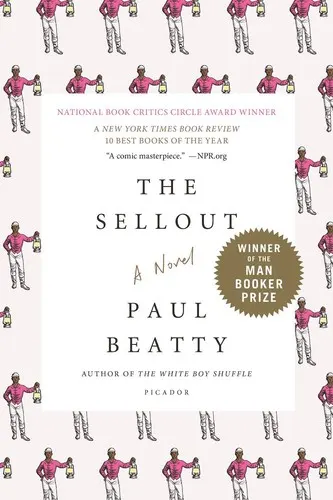
Beatty begins with his narrator before the Supreme Court, smoking weed and facing charges that seem impossible in contemporary America, then explains how he got there. What follows is satire with a terrifying range: jokes arrive as riffs, reversals, insults, historical arguments, and acts of self-indictment.
A reader who loved Lipsyte’s velocity and refusal of moral comfort will recognize the exhilaration. Beatty never uses comedy to soften damage; he uses it to expose contradictions polite realism cannot touch. Winner of both the National Book Critics Circle Award and the Booker Prize, The Sellout is one of the rare heavily honored novels whose prestige undersells how dangerously funny it is.
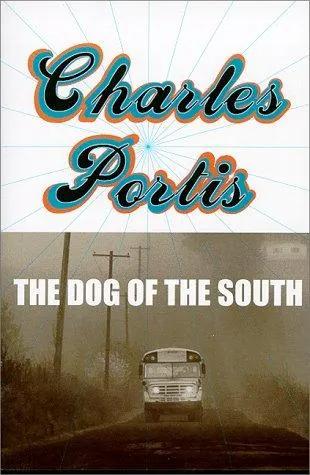
When Ray Midge’s wife runs off with her former husband—and takes Ray’s credit cards—he follows their receipts south. The pursuit matters less than Ray’s magnificently skewed voice: aggrieved, pedantic, suspicious, and blind to precisely the things he most needs to understand.
Milo Burke belongs to the same comic bloodline. Both men narrate their diminishment with enough verbal ingenuity to mistake it for authority, and both inspire the uneasy affection reserved for failures who can diagnose everyone but themselves. Portis has long inspired fierce devotion among writers and comic-novel readers; this may be the purest example of why. Missing it means missing one of American fiction’s great performances of deluded intelligence.