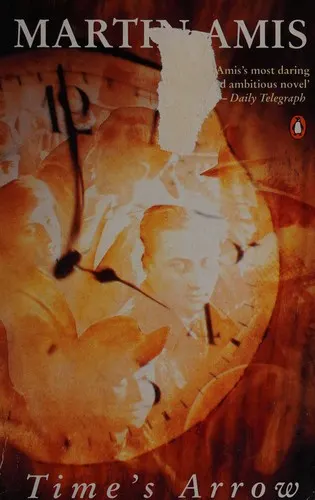
Books like Time's Arrow
After a novel that turns time, grammar, and conscience inside out, ordinary realism can feel disappointingly obedient. These books offer similarly audacious ways of making moral knowledge arrive late—and hurt all the more when it does.
If you liked Time's Arrow, you’ll love these
Not lookalikes — kindred books. Each one shares something essential with Time's Arrow, and we tell you exactly what.
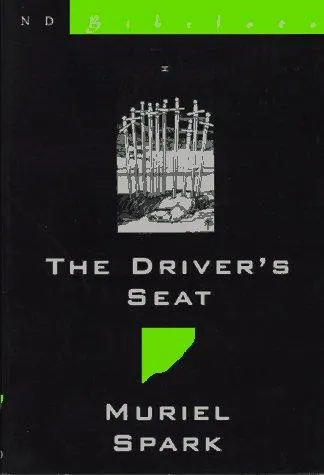
Spark’s cult classic shares Amis’s gift for making inevitability feel stranger than suspense. From the outset, it dismantles the usual crime-novel sequence, disclosing outcomes while withholding motives. The effect is not reassurance but vertigo: every banal purchase and brittle conversation seems to obey a design the reader cannot yet understand.
At barely novella length, it has Time’s Arrow’s merciless compression, macabre comedy, and cool refusal to explain away its central consciousness. Spark’s sentences are blades; her structural trick is not decoration but the source of the book’s terror. Missing it means missing one of the boldest demonstrations that foreknowledge can make a novel more mysterious, not less.
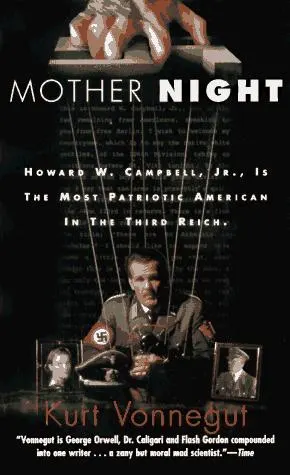
From his Israeli prison cell, Howard W. Campbell Jr.—an American who became a celebrated Nazi propagandist while claiming to work secretly for the Allies—offers his memoir and his defense. That opening predicament gives Vonnegut access to the question haunting Time’s Arrow: can an inner account absolve the outward life that history records?
Vonnegut’s famous maxim from the book, that we are what we pretend to be, sounds jaunty until the novel tightens it into a moral trap. The deadpan jokes never soften the horror; they show how charm, performance, and clever narration can become forms of complicity. One of Vonnegut’s most admired novels, Mother Night is leaner and more ethically severe than his reputation for whimsy suggests—and its final judgment is difficult to shake.
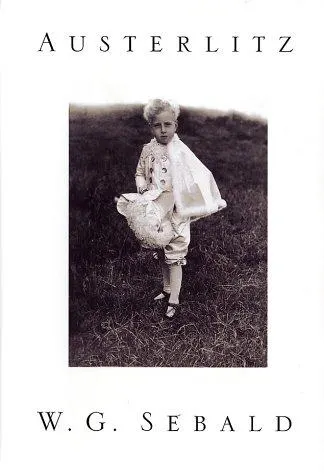
Sebald offers the opposite of Amis’s velocity: long, tidal sentences in which photographs, buildings, chance meetings, and half-buried recollections accumulate until time seems to exist all at once. Yet the kinship is profound. Both novels distrust ordinary chronology because ordinary chronology cannot adequately contain historical catastrophe.
The narrator’s encounters with the enigmatic Jacques Austerlitz gradually become an inquiry into memory’s evasions and returns. Sebald’s hybrid of fiction, essay, travelogue, and uncaptioned images creates an atmosphere unlike almost anything else in modern literature: documentary and dreamlike, intimate and immense. Winner of the National Book Critics Circle Award and widely regarded as Sebald’s masterpiece, Austerlitz does not merely describe the past’s persistence; it changes the reader’s sense of what remembering is.