Author
Books like Len Deighton
6 books we recommend to Len Deighton readers, drawn from Berlin Game and Bomber — each with the reason why.
If you loved Berlin Game
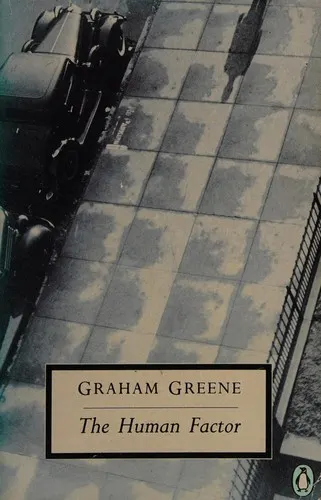
Greene’s espionage novel begins with a minor leak inside British intelligence and quietly turns institutional procedure into a moral vise. Like Deighton, he understands that spying is largely office work conducted by people whose private loyalties cannot be filed into official categories.
Its great strength is emotional rather than mechanical: affection, gratitude and conscience matter more than patriotic slogans, while the service treats human beings as manageable risks. Greene’s restrained prose makes every compromise hurt. Few novels so convincingly show how an ordinary, loving life can become incompatible with the demands of the state.
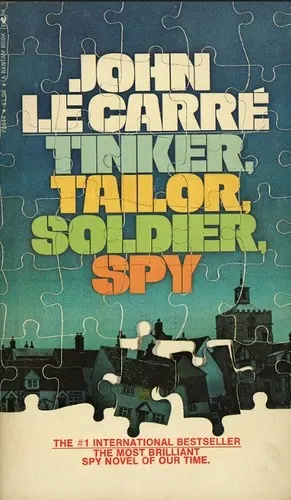
A senior intelligence officer brings the forcibly retired George Smiley a devastating suspicion: a Soviet mole may be embedded at the top of the Circus. What follows is less a conventional chase than an excavation of careers, grudges, friendships and carefully edited memories.
A lover of Bernard Samson will recognize the pleasure of reading rooms rather than merely clues—the significance of rank, accent, resentment and who is excluded from a meeting. Yet le Carré’s construction is uniquely intricate: on rereading, casual remarks acquire new weight and entire relationships change shape. The novel that made Smiley an enduring figure remains one of espionage fiction’s supreme demonstrations that betrayal is both an intelligence problem and a wound among intimates.
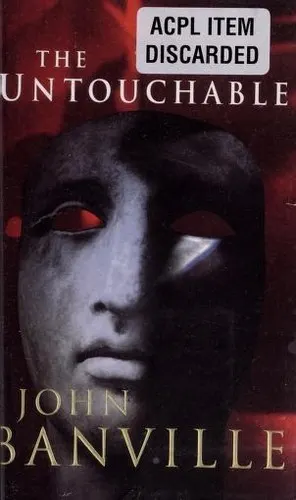
Victor Maskell, an elderly art expert and former intelligence insider, has been publicly exposed as a spy. From that opening disgrace, he looks back over the cultivated circles, erotic entanglements and divided allegiances that produced him.
Banville approaches treachery from the traitor’s side, with a voice at once seductive, vain, malicious and unexpectedly vulnerable. The comedy is blacker and the prose more luxuriant than Deighton’s, but the kinship lies in their fascination with class performance and self-deception: people betray countries almost abstractly, while betraying lovers and friends in excruciating detail. Banville, a Booker-winning stylist, makes Maskell’s confession so dazzling that even readers who distrust him may miss his company when it ends.
If you loved Bomber
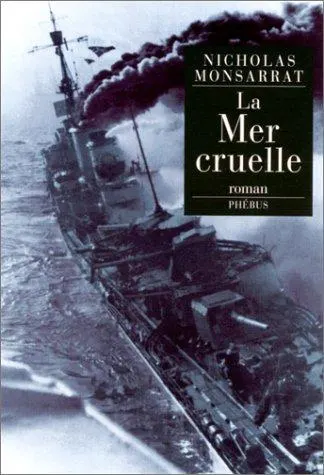
Monsarrat does for the Battle of the Atlantic what Deighton does for the bombing war: he makes procedure dramatic without making warfare glamorous. A newly assembled crew learns to operate the corvette Compass Rose, and watches, instruments, exhaustion and imperfect judgment gradually become matters of life and death.
The kinship lies in cumulative pressure. Individual courage matters, but weather, machinery, training and chance matter just as much. Monsarrat—himself a wartime naval officer—writes with hard-earned technical authority and deep compassion for people trapped inside an industrial conflict. The novel became a defining account of the Atlantic war because it understands that endurance is less spectacular, and more costly, than heroics.
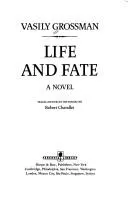
If Bomber’s shifting viewpoints made you feel an entire war thinking and suffering at once, Life and Fate offers that experience on a monumental scale. Around Stalingrad, Grossman moves among soldiers, scientists, families, prisoners and officials, showing how vast historical systems enter kitchens, friendships and consciences.
Yet the book never reduces people to illustrations of an argument. Its great subject is the fragile, stubborn persistence of individual kindness under regimes that demand obedience. The Soviet authorities considered it so dangerous that the KGB confiscated the manuscript; a copy was eventually smuggled abroad. Often compared with War and Peace, it earns that comparison through moral reach rather than mere size. After Deighton’s one devastating day, Grossman’s whole human landscape is the essential next step.
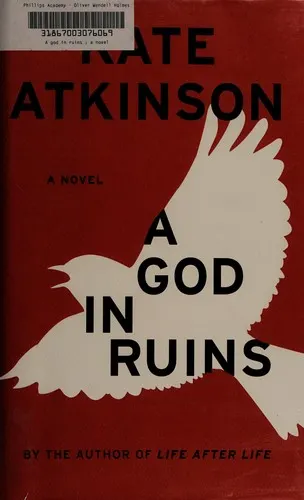
Atkinson’s Teddy Todd begins as a quiet, decent young man who becomes an RAF bomber pilot, but this is not simply another air-war narrative. The novel asks what it means to survive experiences organized around terrible statistical odds—and how one life is altered when viewed from different moments, by different people.
Deighton’s operational exactness reappears in the cold arithmetic of sorties and the intimate rituals of a crew, while Atkinson’s fractured chronology supplies a different kind of suspense: not merely what happens, but how time changes the meaning of what happened. Winner of the Costa Novel Award, A God in Ruins is admired for joining structural daring to genuine emotional force. Its bomber sequences are superb; its reckoning with survival, memory and ordinary family damage is what makes it unforgettable.