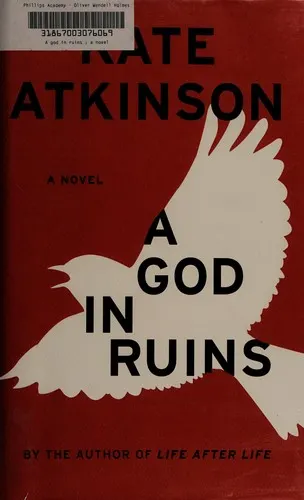
Books like A God in Ruins
Tenderness survives beside devastation here: long lives unfold in fragments, comedy shades into grief, and ordinary decency becomes quietly heroic.
If you liked A God in Ruins, you’ll love these
Not lookalikes — kindred books. Each one shares something essential with A God in Ruins, and we tell you exactly what.
Alfred Day, once a tail gunner in an RAF bomber, is now working as an extra in a film about a prisoner-of-war camp. The job draws him back toward his crew, his brutal childhood and the strange intimacy of men who expected to die together.
Winner of the Costa Book of the Year, Day shares Atkinson’s refusal to turn wartime airmen into either icons or case studies. Kennedy renders terror through bodily sensation, gallows humour and fractured memory, while preserving Alfred’s awkward capacity for love. It is darker and more concentrated than A God in Ruins, but equally alert to the obscenity of destroying young lives and then calling the survivors fortunate.
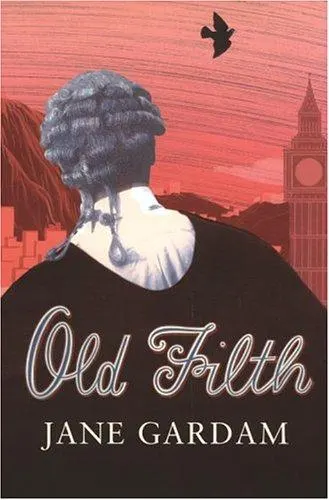
Sir Edward Feathers—nicknamed FILTH, for “Failed in London, Try Hong Kong”—appears at first to be a finished type: an elderly, emotionally sealed former judge, polished by the British Empire. Gardam then opens that façade, moving through his life until reserve itself becomes a source of pathos.
Like Teddy Todd, Feathers is decent, damaged and easily underestimated; both men belong to a generation trained to conceal nearly everything that formed it. Gardam’s crisp wit prevents the novel from becoming solemn, while her nonlinear revelations repeatedly alter the emotional weight of what seemed incidental. So beloved that it grew into a trilogy, Old Filth is one of those rare novels whose protagonist feels more mysterious—and more fully human—the better you know him.
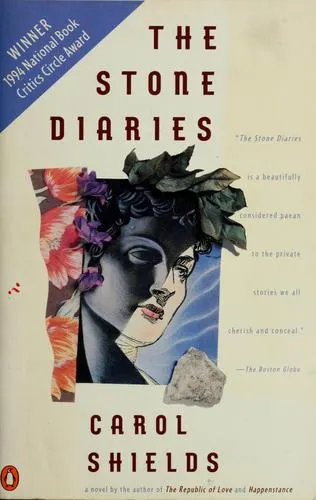
Daisy Goodwill’s life is presented as though it were an archive: memories, photographs, family testimony, lists and the confident assertions of a narrator who cannot always be trusted. The result is both an intimate biography and a sly inquiry into how any life—especially an outwardly ordinary one—can be known.
Readers who loved Atkinson’s leaps across decades and her fascination with unlived possibilities will recognize the same tension between a life as experienced and a life as summarized by others. Shields can make a marriage, a household object or an omission carry the force of fate. The Stone Diaries won both the Pulitzer Prize and Canada’s Governor General’s Award, but its lasting marvel is quieter: Daisy’s apparent ordinariness gradually becomes inexhaustible, and finishing her story feels like losing someone whose depths the world never properly noticed.