
Books like The Untouchable
After Maskell’s glittering, evasive confession, one wants more novels in which exquisite intelligence becomes a form of camouflage—books about beauty, loyalty and power whose narrators reveal most when they mean to conceal.
If you liked The Untouchable, you’ll love these
Not lookalikes — kindred books. Each one shares something essential with The Untouchable, and we tell you exactly what.
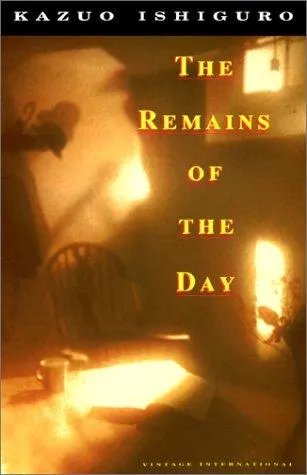
Stevens, an English butler recalling his service in a great house, is Maskell’s moral cousin: cultivated, disciplined and disastrously skilled at converting complicity into duty. Ishiguro makes every polished sentence carry a second, unspoken meaning, so that reading becomes an act of detection. The comedy of Stevens’s dignity gradually acquires an almost unbearable emotional pressure.
Winner of the Booker Prize and now a modern classic, this is the essential next book for anyone captivated by Banville’s use of retrospective narration. Its prose is less baroque but just as controlled, and its portrait of a man hiding inside his own style is unforgettable.
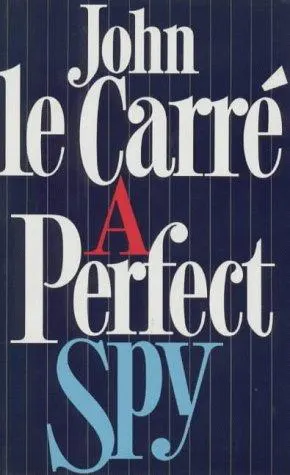
Le Carré’s most searching novel treats espionage not as an ingenious game but as the natural vocation of a man who has spent his life manufacturing selves. When intelligence officer Magnus Pym disappears, the pursuit opens onto a profound inquiry into charm, betrayal, divided allegiance and the stories people invent to survive themselves.
Often regarded as le Carré’s masterpiece, A Perfect Spy has the psychological density of major literary fiction without surrendering the tension of a spy novel. If The Untouchable made treason fascinating because it seemed inseparable from personality, this is the book that takes that insight furthest.
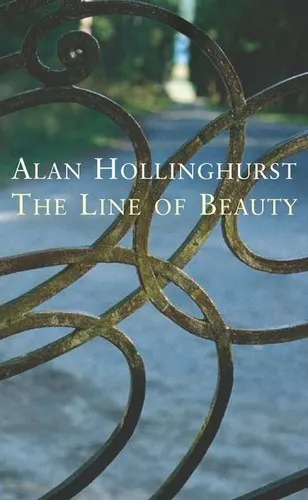
Nick Guest enters the household of a powerful Conservative politician carrying little but his education, his aesthetic susceptibility and his desire to belong. Hollinghurst understands, as Banville does, that refinement can sharpen perception while also making privilege intoxicating: Nick sees the absurdity and cruelty around him, yet beauty keeps drawing him deeper in.
The sentences are sensuous, exact and socially lethal; rooms, bodies and conversations shimmer before revealing their costs. This Booker Prize winner is one of the great English novels about the dangerous intimacy between the outsider and the establishment—and about what an aesthete fails to see while admiring the view.