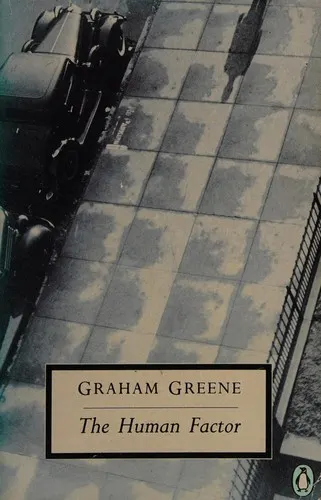
Books like The Human Factor
The deepest treason in The Human Factor is inseparable from decency: Castle’s loyalties become fatal precisely because they begin in gratitude, love, and an unwillingness to treat people as abstractions. These novels share Greene’s fascination with quiet lives ruined by the institutions they serve—and by virtues that cannot survive institutional logic.
If you liked The Human Factor, you’ll love these
Not lookalikes — kindred books. Each one shares something essential with The Human Factor, and we tell you exactly what.
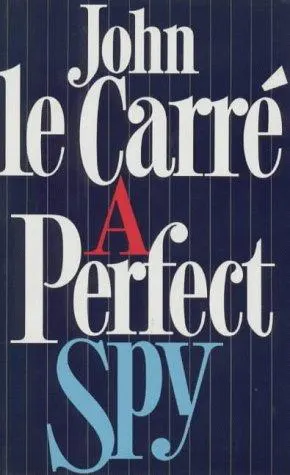
Magnus Pym, a British intelligence officer, disappears after his father’s funeral, leaving colleagues and family to reconstruct his life while he begins writing his own account. What emerges is not a puzzle about whether a man betrayed his country, but an inquiry into how he learned to betray—and whether espionage merely gave professional form to habits acquired in childhood.
Like Greene, le Carré understands treason as an intimate act before it is a political one. Pym is shaped by charm, shame, divided affection, and the need to become whatever another person wants. The patient accumulation of moral detail makes this less a conventional spy story than a great novel of damaged identity. Often judged le Carré’s masterpiece, and famously praised by Philip Roth as “the best English novel since the war,” it takes the human sympathy of Greene’s novel and expands it into an engulfing life story.
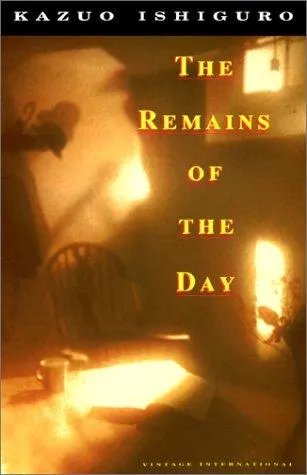
Stevens, an aging English butler, sets out on a motoring holiday and begins reconsidering his decades of devoted service to Lord Darlington. His measured recollections gradually expose the danger hidden inside such words as dignity, loyalty, and professionalism.
There are no secret files or double agents here, yet few novels come closer to The Human Factor’s moral core. Stevens, like Castle, has surrendered part of his conscience to a system whose language protects him from seeing what obedience costs. Ishiguro’s triumph is to make repression suspenseful: every immaculate sentence invites the reader to notice the feeling its speaker cannot acknowledge. This Booker Prize winner is celebrated for good reason—its final emotional force is devastating precisely because it never raises its voice.

In wartime London, Stella Rodney is approached by a counterintelligence officer who claims that her lover, Robert, is passing information to the enemy. He offers no clean path to certainty; instead, suspicion enters the relationship itself, altering every gesture and memory.
Bowen makes espionage feel less like a contest of cleverness than an invasion of private reality. Her London is physically unsettled by bombing and morally unsettled by the knowledge that appearances, attachments, and even love may be evidence. Admirers of Greene will recognize the claustrophobic pressure exerted by a state apparatus that deals in simplified categories while individuals remain painfully complicated. Long regarded as one of the essential novels of wartime London, The Heat of the Day has a strange, tensile beauty—and turns the question “Whom do you trust?” into the far more disturbing “What does trust allow you to know?”