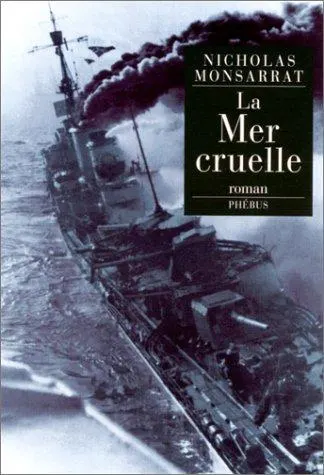
Books like The Cruel Sea
If The Cruel Sea is a chronicle of duty slowly consuming men, HMS Ulysses is its fiercer, frostbitten companion. These three novels share Monsarrat’s unsentimental respect for endurance, command and ordinary courage under institutional pressure.
If you liked The Cruel Sea, you’ll love these
Not lookalikes — kindred books. Each one shares something essential with The Cruel Sea, and we tell you exactly what.
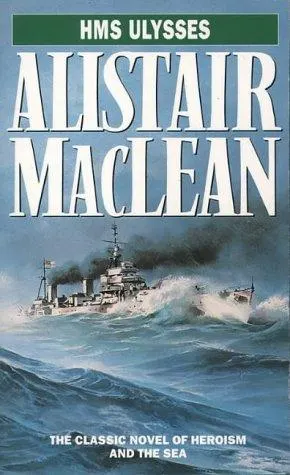
A depleted cruiser is ordered to escort an Arctic convoy despite a crew already pushed near collapse. MacLean, drawing on his own wartime naval service, makes cold, fatigue and failing machinery as formidable as enemy action.
What binds it to The Cruel Sea is its conviction that heroism is chiefly the act of continuing: keeping watch, repairing damage and obeying orders when endurance itself feels unreasonable. The ship becomes a community without dissolving its sailors into types, while the officers’ authority carries the same burden of responsibility that makes Ericson so compelling. This extraordinarily assured debut launched MacLean’s career, and its ferocious momentum should not obscure how movingly it understands exhausted men.
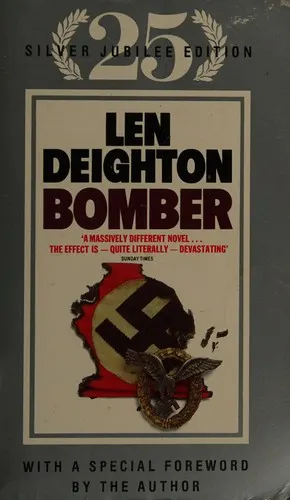
Bomber expands the collective vision of The Cruel Sea into the air, following the participants and machinery surrounding a single RAF operation: crews, commanders, ground staff, civilians and Germans. Deighton’s precision is not decorative technical detail; every procedure reveals dependence, fallibility and the frightening distance between an order and its human consequences.
Monsarrat’s readers will recognize the absence of swagger and the refusal to divide war neatly into heroes and villains. The tension arises from systems operating imperfectly through tired people, while compassion accumulates across a large cast. Anthony Burgess included Bomber among his ninety-nine best English-language novels since 1939; its reputation rests on exactly this combination of documentary authority and moral imagination.
Willie Keith enters the US Navy with few useful skills and finds himself aboard the ageing minesweeper Caine, where cramped routine and an increasingly troubled command expose every weakness in officers and crew. Wouk turns naval discipline into a gripping moral problem: when does obedience become complicity, and how confidently can anyone judge a commander from below?
The kinship with The Cruel Sea lies less in ships than in its fascination with responsibility. Wouk knows that command consists of tedious decisions long before it produces dramatic ones, and that courage, competence and likability seldom arrive in the same person. Winner of the Pulitzer Prize and enduringly debated by naval readers, the novel keeps revising your sympathies; anyone moved by Monsarrat’s hard-earned understanding of command should experience its unsettling challenge.