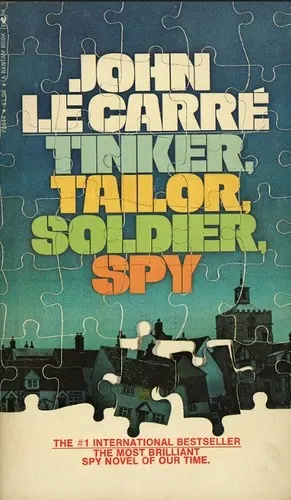
Books like Tinker Tailor Soldier Spy
Its secrets do not end when the mole is named: each rereading reveals another buried motive, compromised loyalty, or meaningful silence. These novels offer the same pleasure of discovering that character—not intrigue—is the deepest mystery.
If you liked Tinker Tailor Soldier Spy, you’ll love these
Not lookalikes — kindred books. Each one shares something essential with Tinker Tailor Soldier Spy, and we tell you exactly what.
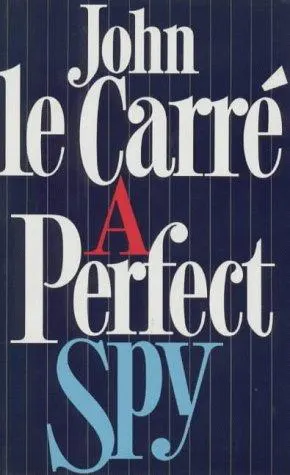
Magnus Pym, an intelligence officer, disappears after his father’s funeral, leaving colleagues to search for him while he begins writing the story of his life. From that opening, le Carré constructs an intricate mosaic in which espionage becomes inseparable from performance, filial love, shame, and the need to invent oneself.
Where Tinker Tailor makes institutional betrayal painfully intimate, A Perfect Spy traces the emotional education that can make betrayal possible. Its chronology demands alertness, its clues are embedded in voice and memory, and its charismatic con-man father is among le Carré’s greatest creations. Often judged his masterpiece—and his most autobiographical novel—it feels like the exposed nerve beneath the entire Smiley world.
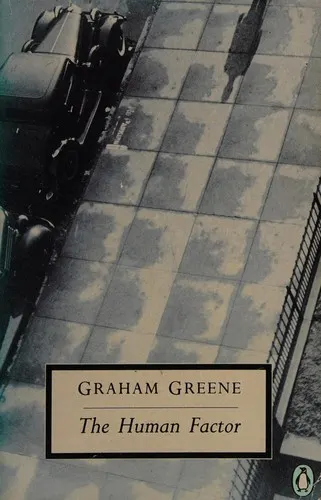
A suspected leak subjects a quiet London intelligence department to closer scrutiny. Greene dwells on the unglamorous machinery: files, lunches, office teasing, domestic worries, and bland conversations whose implications become steadily more menacing.
This is the novel for anyone who loved Tinker Tailor’s refusal to divide people neatly into loyalists and traitors. Greene is less interested in ingenious tradecraft than in what happens when private decency collides with an institution’s pitiless logic. One of his finest late novels, The Human Factor achieves suspense through moral pressure rather than spectacle; its restraint makes every small kindness, evasion, and bureaucratic decision matter.
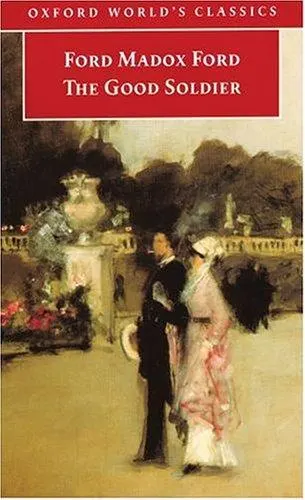
John Dowell begins by calling his account of two affluent couples “the saddest story” he has ever heard. Yet as he circles backward, corrects himself, and supplies details belatedly, the reader realizes that understanding what happened will require interrogating the teller as closely as the tale.
Reading it produces a pleasure remarkably like following Smiley through testimony and half-truths: chronology becomes evidence, manners become camouflage, and omissions speak louder than declarations. Beneath the polished social surface lies the same devastating question that haunts Tinker Tailor—how well can we know those closest to us? Ford’s compact modernist classic rewards rereading almost indecently well; once finished, its famous opening sentence has become an entirely different sentence.