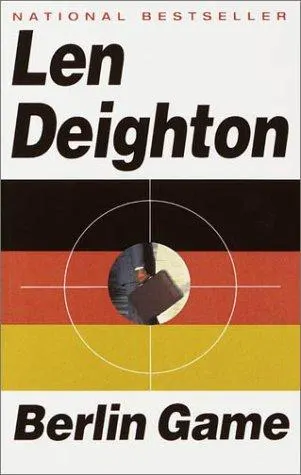
Books like Berlin Game
What draws readers back is not simply the question of who betrayed whom, but Deighton’s union of dry wit, bureaucratic suspicion and painfully intimate disloyalty: every office slight and marital silence may be evidence.
If you liked Berlin Game, you’ll love these
Not lookalikes — kindred books. Each one shares something essential with Berlin Game, and we tell you exactly what.
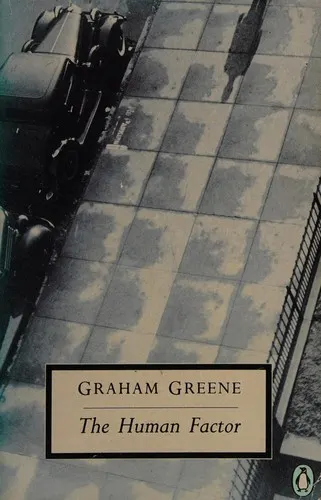
Greene’s espionage novel begins with a minor leak inside British intelligence and quietly turns institutional procedure into a moral vise. Like Deighton, he understands that spying is largely office work conducted by people whose private loyalties cannot be filed into official categories.
Its great strength is emotional rather than mechanical: affection, gratitude and conscience matter more than patriotic slogans, while the service treats human beings as manageable risks. Greene’s restrained prose makes every compromise hurt. Few novels so convincingly show how an ordinary, loving life can become incompatible with the demands of the state.
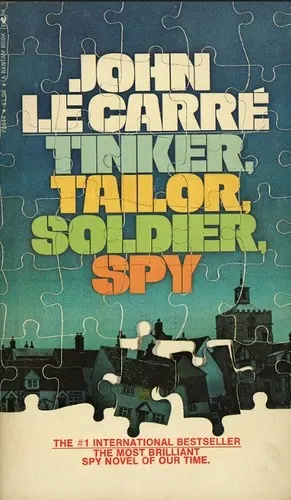
A senior intelligence officer brings the forcibly retired George Smiley a devastating suspicion: a Soviet mole may be embedded at the top of the Circus. What follows is less a conventional chase than an excavation of careers, grudges, friendships and carefully edited memories.
A lover of Bernard Samson will recognize the pleasure of reading rooms rather than merely clues—the significance of rank, accent, resentment and who is excluded from a meeting. Yet le Carré’s construction is uniquely intricate: on rereading, casual remarks acquire new weight and entire relationships change shape. The novel that made Smiley an enduring figure remains one of espionage fiction’s supreme demonstrations that betrayal is both an intelligence problem and a wound among intimates.

Victor Maskell, an elderly art expert and former intelligence insider, has been publicly exposed as a spy. From that opening disgrace, he looks back over the cultivated circles, erotic entanglements and divided allegiances that produced him.
Banville approaches treachery from the traitor’s side, with a voice at once seductive, vain, malicious and unexpectedly vulnerable. The comedy is blacker and the prose more luxuriant than Deighton’s, but the kinship lies in their fascination with class performance and self-deception: people betray countries almost abstractly, while betraying lovers and friends in excruciating detail. Banville, a Booker-winning stylist, makes Maskell’s confession so dazzling that even readers who distrust him may miss his company when it ends.