Author
Books like Josephine Tey
8 books we recommend to Josephine Tey readers, drawn from The Daughter of Time, Brat Farrar and The Franchise Affair — each with the reason why.
If you loved The Daughter of Time
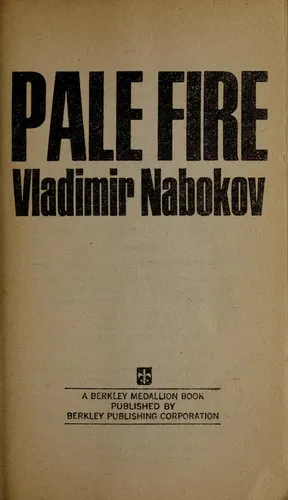
John Shade’s 999-line poem is presented by Charles Kinbote, an editor whose expansive notes gradually compete with the work they supposedly explain. The reader becomes the detective, testing Kinbote’s claims against verbal clues, omissions, and contradictions.
Like Tey, Nabokov makes interpretation feel adventurous: authority is no substitute for evidence, and an elegant story may be persuasive precisely because somebody needs it to be believed. Darkly funny, endlessly debatable, and among Nabokov’s most admired novels, Pale Fire rewards the alert skepticism The Daughter of Time awakens in its readers.
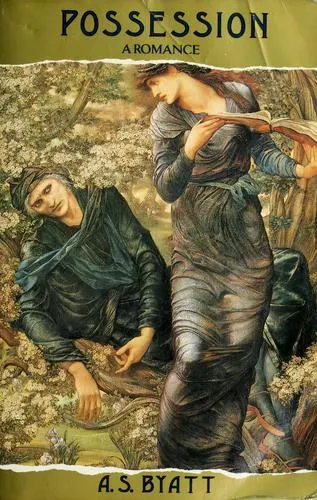
In the London Library, an obscure scholar discovers drafts of a letter hidden inside an old book. That small archival find opens a trail through notebooks, poems, correspondence, and competing academic theories surrounding two Victorian writers.
Possession captures the particular thrill Tey understood so well: the dead are not inert historical figures but complicated people recoverable through patient attention. Byatt creates the documents as well as the investigation, giving each discovery texture and emotional consequence. Winner of the Booker Prize, it is both a sumptuous literary romance and a wonderfully propulsive defense of scholarship as discovery.
Harriet Vane returns to her Oxford college for a reunion and is drawn into an inquiry involving anonymous messages and escalating acts of malice. The mystery depends less on mechanical clue-hunting than on understanding language, motive, institutional loyalties, and the habits of an educated mind.
That makes it especially congenial to admirers of Tey. Both novels ask whether truth is still worth pursuing when a comforting account would be easier—and both trust civilized argument to generate suspense. Often cherished as Sayers’s finest novel, Gaudy Night adds unusual emotional and moral depth to Golden Age detection; its central question about intellectual honesty lingers long after the puzzle is solved.
If you loved Brat Farrar
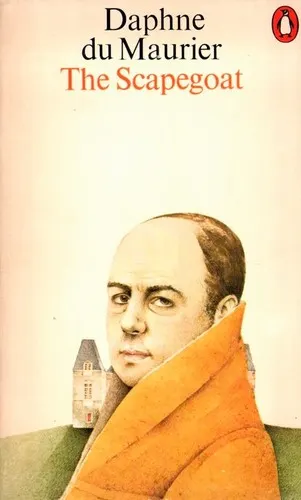
An English academic in France meets his exact double—and wakes to find himself installed in the other man’s difficult family. Like Tey, du Maurier understands that the real suspense of impersonation lies not in forged credentials but in intimate scrutiny: breakfast-table habits, old grievances, and relatives who know the face while mistrusting the person behind it.
Du Maurier gives the premise her characteristic moral unease. Her impostor becomes entangled in responsibilities he never sought, and deception begins to resemble obligation. The result is darker and more feverish than Brat Farrar, but it offers the same irresistible pleasure of watching an outsider discover a household’s secrets while unexpectedly caring what happens to it.
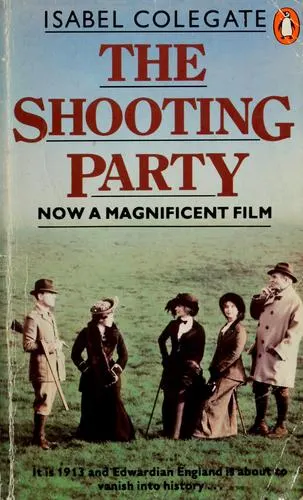
Colegate’s celebrated short novel captures something easy to overlook in Brat Farrar: the fascination of a privileged household observed with affection but without illusion. During an Edwardian country-house gathering, tiny humiliations, rivalries, flirtations, and acts of kindness accumulate beneath the polished rituals of a shoot.
Its suspense comes from character rather than clues. Colegate can expose an entire marriage or class assumption in a few cool sentences, and the reader gradually senses danger inside the guests’ insistence that everything remain sporting and civilized. Admirers of Tey’s lucid social intelligence—and her ability to make family manners feel consequential—should consider this compact, beautifully controlled novel essential.
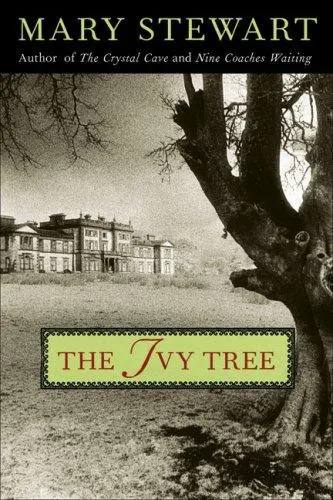
Mary Grey is approached by a stranger who believes she resembles Annabel Winslow, a missing heiress. He proposes that she assume Annabel’s identity and return to the family estate; Mary knows more than she initially admits.
That is only the first turn of a remarkably assured performance. Stewart makes every conversation a duel in which a wrong memory or misplaced emotion may betray her heroine. More importantly, she shares Tey’s interest in how convincingly a person can inhabit a role—and whether belonging depends upon blood, recognition, desire, or sheer nerve. Stewart helped define modern romantic suspense, and The Ivy Tree shows why her readers remain devoted: it is elegant, intelligent, atmospheric, and almost indecently difficult to put down.
If you loved The Franchise Affair
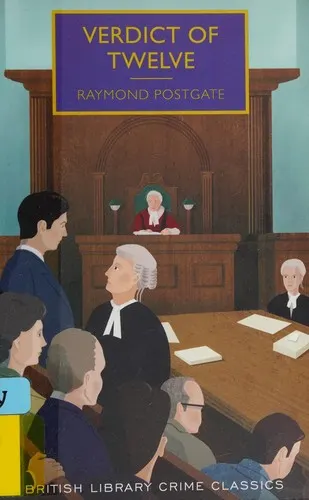
Before a jury decides the fate of a woman accused of murder, Postgate examines the twelve people who will judge her—their vanities, wounds, prejudices and private notions of justice. The result is one of Golden Age crime fiction’s boldest experiments: the central mystery is not merely what happened, but what any collection of fallible human beings can be persuaded happened.
A lover of The Franchise Affair will recognize the alarming process by which assumptions harden into facts. Postgate is sharper and more openly satirical than Tey, but he shares her distrust of a tidy public narrative and her interest in the moral burden of judgment. Few courtroom novels make a verdict feel so contingent—or leave the reader so conscious of the invisible evidence every observer brings into the room.
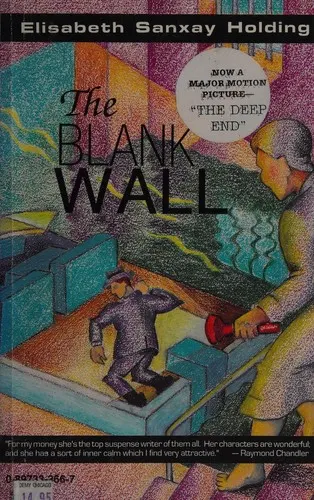
With her husband away during wartime, Lucia Holley is trying to preserve the ordinary rhythms of family life when her daughter’s troubles threaten the household. Holding makes Lucia’s domestic competence—the shopping, telephone calls, servants and careful protection of appearances—the engine of extraordinary suspense.
Like The Franchise Affair, this novel understands that respectability is both shelter and trap. Its heroine must think clearly while others misread her, and every practical decision carries moral weight. The prose is spare, the danger intimate and the sympathy unsentimental. Raymond Chandler called Holding “the top suspense writer of them all,” and this novel, later filmed by Max Ophuls as The Reckless Moment, shows why: almost no writer has made quiet resourcefulness feel so heroic.