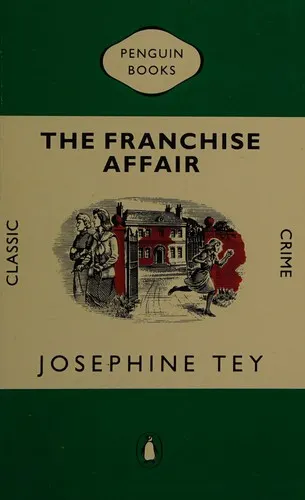
Books like The Franchise Affair
A respectable front door stands in sunlight while, just beyond it, a plausible story gathers enough force to ruin a life. These novels share Tey’s fascination with the fragile distance between truth and what people are prepared to believe.
If you liked The Franchise Affair, you’ll love these
Not lookalikes — kindred books. Each one shares something essential with The Franchise Affair, and we tell you exactly what.
A young stranger is invited to impersonate a missing heir, and Tey turns that audacious proposition into one of her most cherished novels. As in The Franchise Affair, suspense grows not from violence but from minute tests of credibility: a remembered gesture, an evasive answer, the way someone behaves among people who know one another intimately.
What makes it irresistible is Tey’s refusal to arrange everyone into innocent and guilty camps. Deception may contain loyalty; suspicion may be perfectly decent. The country-house setting is beautifully realized, but the true attraction is the same humane, skeptical intelligence that makes Robert Blair’s investigation so satisfying. If you want another demonstration of Tey’s unmatched ability to make character itself function as evidence, this is essential.
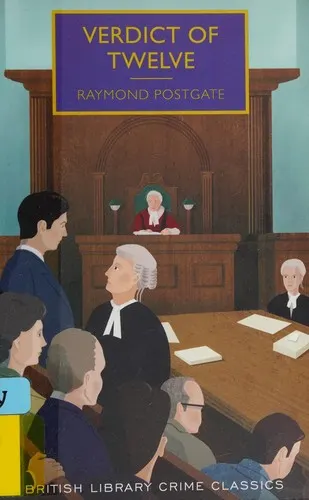
Before a jury decides the fate of a woman accused of murder, Postgate examines the twelve people who will judge her—their vanities, wounds, prejudices and private notions of justice. The result is one of Golden Age crime fiction’s boldest experiments: the central mystery is not merely what happened, but what any collection of fallible human beings can be persuaded happened.
A lover of The Franchise Affair will recognize the alarming process by which assumptions harden into facts. Postgate is sharper and more openly satirical than Tey, but he shares her distrust of a tidy public narrative and her interest in the moral burden of judgment. Few courtroom novels make a verdict feel so contingent—or leave the reader so conscious of the invisible evidence every observer brings into the room.
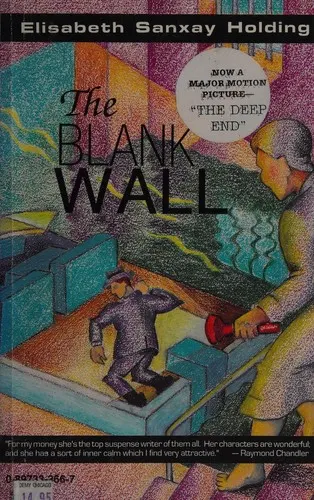
With her husband away during wartime, Lucia Holley is trying to preserve the ordinary rhythms of family life when her daughter’s troubles threaten the household. Holding makes Lucia’s domestic competence—the shopping, telephone calls, servants and careful protection of appearances—the engine of extraordinary suspense.
Like The Franchise Affair, this novel understands that respectability is both shelter and trap. Its heroine must think clearly while others misread her, and every practical decision carries moral weight. The prose is spare, the danger intimate and the sympathy unsentimental. Raymond Chandler called Holding “the top suspense writer of them all,” and this novel, later filmed by Max Ophuls as The Reckless Moment, shows why: almost no writer has made quiet resourcefulness feel so heroic.