Books like The Daughter of Time
Pale Fire begins with a poem and its editor’s commentary, yet it offers the same exhilarating invitation as The Daughter of Time: distrust the official account, inspect every word, and reconstruct the truth for yourself. The three novels below turn intelligence, reading, and moral judgment into genuine suspense.
If you liked The Daughter of Time, you’ll love these
Not lookalikes — kindred books. Each one shares something essential with The Daughter of Time, and we tell you exactly what.
John Shade’s 999-line poem is presented by Charles Kinbote, an editor whose expansive notes gradually compete with the work they supposedly explain. The reader becomes the detective, testing Kinbote’s claims against verbal clues, omissions, and contradictions.
Like Tey, Nabokov makes interpretation feel adventurous: authority is no substitute for evidence, and an elegant story may be persuasive precisely because somebody needs it to be believed. Darkly funny, endlessly debatable, and among Nabokov’s most admired novels, Pale Fire rewards the alert skepticism The Daughter of Time awakens in its readers.
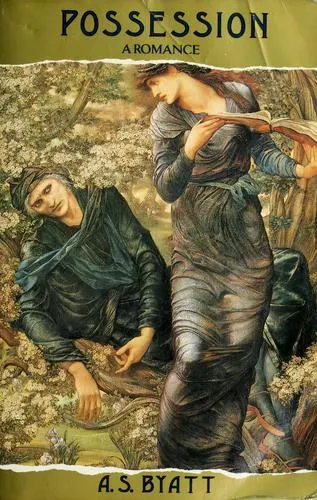
In the London Library, an obscure scholar discovers drafts of a letter hidden inside an old book. That small archival find opens a trail through notebooks, poems, correspondence, and competing academic theories surrounding two Victorian writers.
Possession captures the particular thrill Tey understood so well: the dead are not inert historical figures but complicated people recoverable through patient attention. Byatt creates the documents as well as the investigation, giving each discovery texture and emotional consequence. Winner of the Booker Prize, it is both a sumptuous literary romance and a wonderfully propulsive defense of scholarship as discovery.
Harriet Vane returns to her Oxford college for a reunion and is drawn into an inquiry involving anonymous messages and escalating acts of malice. The mystery depends less on mechanical clue-hunting than on understanding language, motive, institutional loyalties, and the habits of an educated mind.
That makes it especially congenial to admirers of Tey. Both novels ask whether truth is still worth pursuing when a comforting account would be easier—and both trust civilized argument to generate suspense. Often cherished as Sayers’s finest novel, Gaudy Night adds unusual emotional and moral depth to Golden Age detection; its central question about intellectual honesty lingers long after the puzzle is solved.