
Books like The Shooting Party
Colegate makes an impeccably managed country-house weekend feel like a civilization holding its breath: every courtesy conceals a pressure, and every pleasure carries the knowledge that the world sustaining it is nearly over.
If you liked The Shooting Party, you’ll love these
Not lookalikes — kindred books. Each one shares something essential with The Shooting Party, and we tell you exactly what.
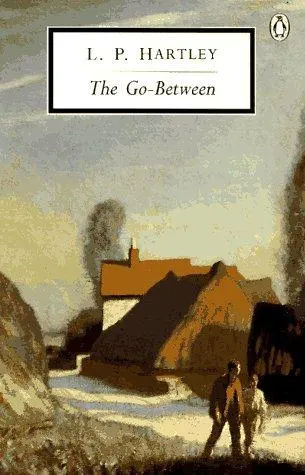
Hartley shares Colegate’s gift for making an English summer at a great house both sensuous and quietly terrifying. A boy visiting a wealthier school friend becomes the bearer of secret messages, only gradually understanding the adult passions and class prohibitions surrounding him. As in The Shooting Party, ritual and good manners do not restrain desire so much as force it into dangerous channels.
The novel’s famous opening—“The past is a foreign country”—has almost overshadowed how gripping, exact and emotionally devastating the book itself is. Hartley renders heat, clothing, speech and social rank with extraordinary precision, then shows how memory converts a seemingly idyllic season into a lifelong reckoning. If Colegate’s mingling of beauty, hierarchy and foreknown catastrophe enthralled you, this is indispensable.
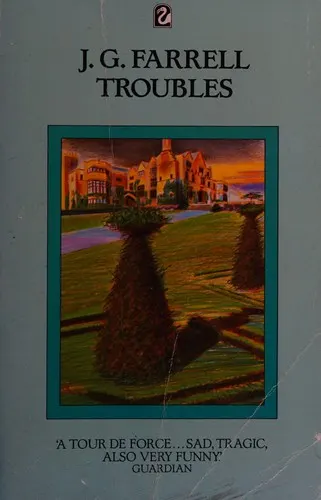
In 1919, an English major arrives at a vast Irish hotel to pursue an uncertain engagement and finds the building—and the ruling order it represents—coming apart around him. Farrell’s great comic invention is to make decay absurdly, irresistibly physical: vegetation invades, rooms become unusable, and the hotel’s inhabitants continue observing social forms while history presses closer.
Like Colegate, Farrell sees that privilege can be ridiculous without making every privileged person contemptible. His irony accommodates affection, bewilderment and genuine dread; the comedy sharpens rather than softens the violence beyond the estate. Awarded the retrospective Lost Man Booker, Troubles is one of the finest novels about people treating an ending as an inconvenience. Its crumbling magnificence makes it hard to forget.
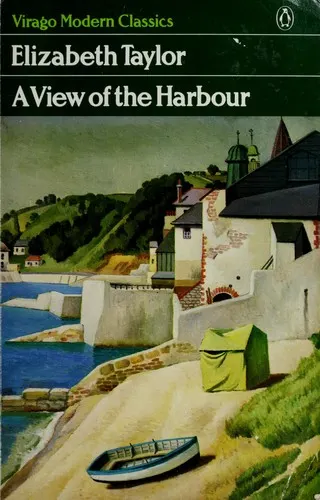
For the pleasure of Colegate’s roaming, discriminating attention, turn to Elizabeth Taylor. In a fading seaside town, she moves among a painter, a novelist, two sisters, neglected children and watchful neighbours, revealing how differently the same gestures are interpreted from one life to another. Nothing needs to be announced: loneliness appears in an attempted conversation, vanity in a supposedly generous act, betrayal in a change of routine.
Taylor—long cherished as a novelist’s novelist—has Colegate’s rare combination of social clarity and mercy. Her prose is poised, funny and exact, but never merely decorative; every polished observation opens onto an unmet need. A View of the Harbour lacks a shooting party’s ceremonial drama, yet creates the same addictive sense that an entire community is visible at once, while each person remains finally unknowable.