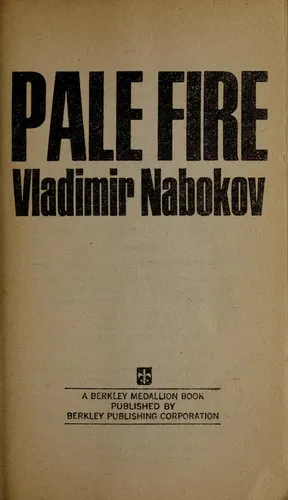
Books like Pale Fire
Pale Fire’s masterstroke is that Shade’s poem remains stubbornly itself while Kinbote tries to annex it; the comedy lies in that failed takeover, and the sadness in what his fantasy cannot erase.
If you liked Pale Fire, you’ll love these
Not lookalikes — kindred books. Each one shares something essential with Pale Fire, and we tell you exactly what.
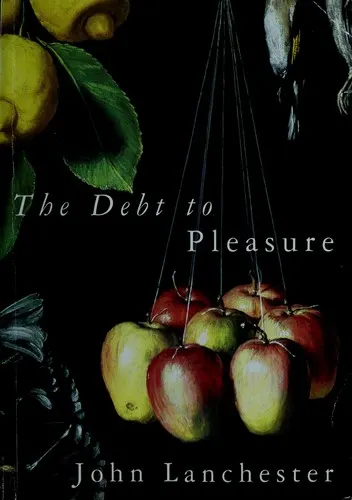
Tarquin Winot presents his story as a cultivated mixture of travelogue, memoir, recipes, and aesthetic instruction. His prose is sumptuous, fastidious, and lethally self-satisfied: every judgment about an omelette or a painting also reveals something he would prefer the reader not to notice.
Like Kinbote, Tarquin mistakes eloquence for control. The delight is in reading both with and against him, catching the pressure of another story beneath his immaculate sentences. Winner of the Whitbread First Novel Award, The Debt to Pleasure is one of the rare literary puzzles whose solution matters less than the mesmerizing voice that created it.
An elderly Midwesterner, Alden Dennis Weer, wanders through memories of childhood, family businesses, old houses, courtships, and stories heard long ago. Everything sounds gently anecdotal; almost nothing is innocent. Repetitions acquire new meanings, casual omissions become conspicuous, and rooms seem to connect in ways chronology cannot explain.
Peace offers the particular pleasure Pale Fire gives its most devoted readers: the dawning realization that the real novel must be assembled from what its narrator mishandles. Wolfe never steps forward to settle the evidence, so rereading becomes discovery rather than repetition. Often regarded by Wolfe’s admirers as his quiet masterpiece, it is a small book with an almost inexhaustible afterlife in the mind.
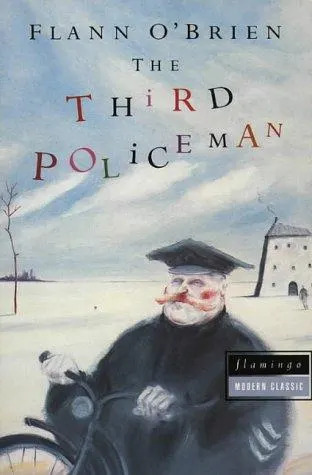
Its unnamed narrator is a murderer, amateur philosopher, and obsessive student of de Selby, a wholly invented savant whose theories are defended and demolished in increasingly deranged scholarly footnotes. The rival commentators, dubious citations, and magnificent academic spite form a second comedy beneath the first—an obvious delight for anyone who wished Kinbote’s notes would keep breeding forever.
But O’Brien’s nonsense is exact rather than whimsical. Each absurd premise is pursued with such remorseless logic that the world begins to feel both hilarious and metaphysically unsafe. Rejected during O’Brien’s lifetime and published posthumously, The Third Policeman became a cult masterpiece because its jokes do not dissipate: they deepen into dread, wonder, and one of fiction’s strangest visions of consciousness.