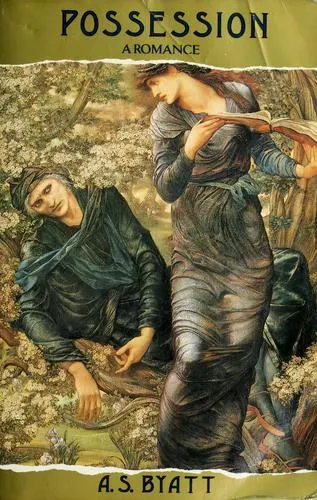
Books like Possession
After Possession, ordinary literary fiction can feel underfurnished: one wants scholarship with the pulse of a thriller, love conducted through language, and invented documents so persuasive they seem to have been rescued from an archive.
If you liked Possession, you’ll love these
Not lookalikes — kindred books. Each one shares something essential with Possession, and we tell you exactly what.
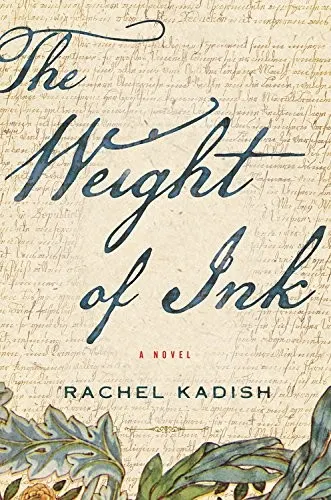
An ailing historian and her young assistant examine a cache of seventeenth-century papers discovered in a London house—and begin recovering the mind of an intellectually audacious woman whom history nearly erased.
Kadish understands, as Byatt does, that archival work is not dry preparation for the drama: it is the drama. A disputed attribution, an unusual phrase, or a scrap of correspondence can produce genuine suspense. The novel also shares Possession’s fascination with desire sharpened by scholarship and with women forcing their intellect into traditions designed to exclude them. Winner of the National Jewish Book Award, it is an unusually satisfying union of philosophical ambition, emotional force, and the intoxicating sense that a voice buried for centuries is speaking directly to you.
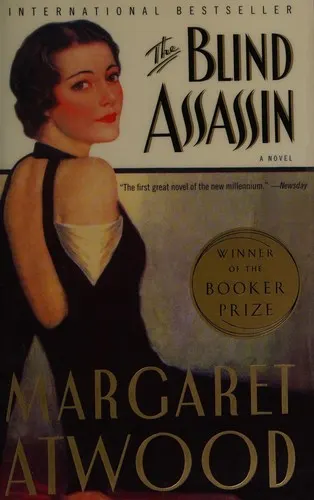
Atwood begins with a death, then builds an intricate machine from memoir, newspaper reports, family history, and a novel-within-the-novel about two lovers telling each other stories. Reading it means learning to detect what has been hidden inside apparently familiar forms.
A lover of Possession will recognize the pleasure of becoming an interpreter: every shift in genre alters what the surrounding narrative means, while private passion survives in coded and indirect language. Yet Atwood’s tone is her own—dry, ruthless, and darkly funny—and her portrait of memory is less romantic than Byatt’s. This Booker Prize winner rewards attention magnificently; by the end, its nested stories feel not ornamental but inevitable.
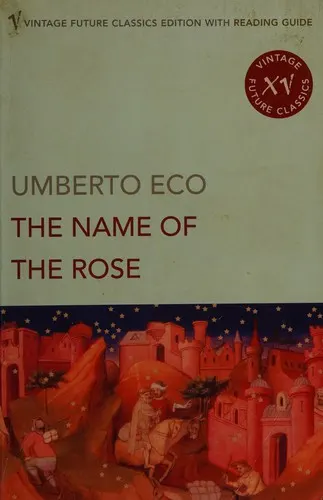
In a remote medieval abbey, a learned friar and his novice arrive for a theological gathering and encounter a death that demands investigation. The clues lie in manuscripts, interpretations, forbidden knowledge, and the architecture of a library.
Eco makes intellectual history dangerously physical: arguments about signs, laughter, heresy, and textual authority become matters of appetite and power. Like Possession, the novel trusts readers to enjoy erudition without treating it as homework, and its mystery grows from the perilous instability of interpretation itself. An international phenomenon that helped prove a densely learned novel could also be compulsively readable, it offers the rare thrill of entering a formidable intelligence and finding a page-turner there.