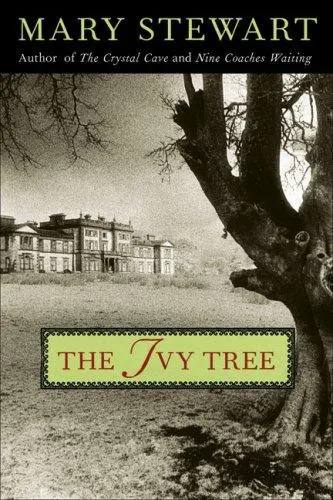
Books like The Ivy Tree
Reading The Ivy Tree feels like stepping onto beautiful, treacherous ground: every gracious room and sunlit field deepens the spell, while one false word could bring the whole intricate performance down.
If you liked The Ivy Tree, you’ll love these
Not lookalikes — kindred books. Each one shares something essential with The Ivy Tree, and we tell you exactly what.
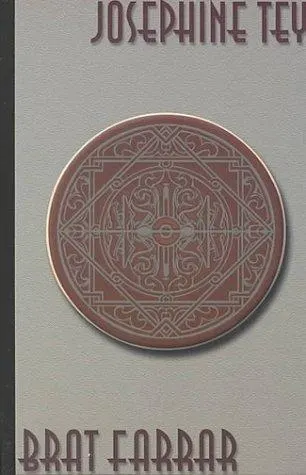
A young man is recruited to impersonate Patrick Ashby, the long-missing heir to an English country estate. What makes this an essential companion to The Ivy Tree is not merely the imposture but the moral pressure Tey extracts from it. Brat must learn family memories, inhabit old loyalties and deceive people he increasingly understands; success becomes more emotionally dangerous than exposure.
Tey writes with extraordinary economy, making horses, meals and casual family conversations carry the tension of interrogations. Long cherished by mystery readers as one of her finest novels, Brat Farrar offers that same irresistible combination of pastoral beauty, exact plotting and a borrowed identity that begins to feel disconcertingly real.
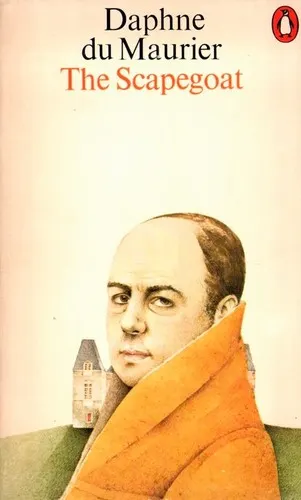
When a solitary Englishman meets his exact double in France, he is abruptly stranded inside the other man’s identity—and inside a decaying aristocratic family whose grievances he cannot decipher. The premise becomes something richer than a masquerade: a haunting inquiry into whether assuming another life can awaken qualities suppressed in your own.
Du Maurier gives the château and its surrounding estate the same emotional force Stewart gives Whitescar. Every family member wants something from the supposed returning husband, brother or master, so even tenderness is fraught with risk. Less ubiquitous than Rebecca but among du Maurier’s most psychologically absorbing novels, The Scapegoat turns suspense into a profound temptation: the chance to become indispensable in a life that is not yours.
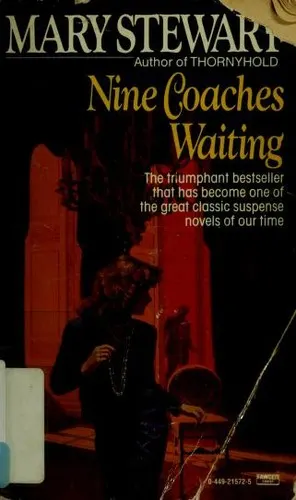
For another dose of Stewart at her most assured, follow young governess Linda Martin to Château Valmy in the French Alps, where elegance, isolation and the welfare of her small charge gradually acquire a sinister edge. Linda has the qualities that make The Ivy Tree’s heroine so compelling: alertness, self-command and enough romantic susceptibility to make danger more complicated rather than less believable.
Here Stewart exchanges Northumberland’s fields for forests, mountain roads and a château dominated by one of her most magnetic creations. The prose is polished, the courtship genuinely charged, and the suspense accelerates with almost cinematic precision. It remains a favorite among Stewart’s devoted readers because it captures her rare gift for making intelligence, landscape and romantic peril feel equally intoxicating.