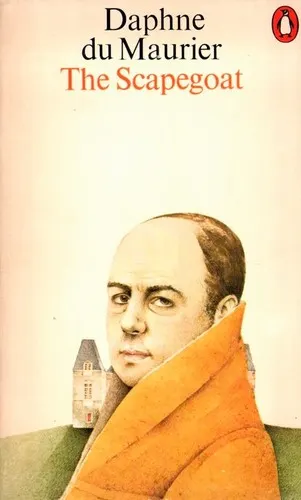
Books like The Scapegoat
—because the real spell lies not in the exchanged identities, but in the dangerous hope that becoming someone else might release a truer self. These three novels pursue that hope into very different moral territory.
If you liked The Scapegoat, you’ll love these
Not lookalikes — kindred books. Each one shares something essential with The Scapegoat, and we tell you exactly what.
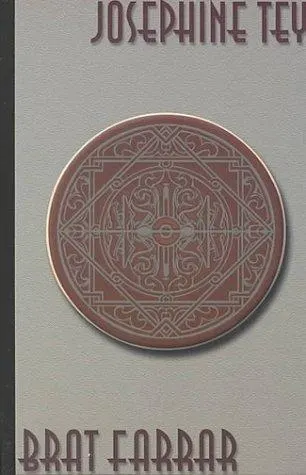
A young outsider is coached to impersonate the long-missing heir to a prosperous family. What begins as fraud becomes far more troubling when Brat discovers that belonging creates obligations: affection, loyalty and conscience start making his assumed identity feel more morally real than his own.
Like du Maurier, Tey turns an audacious premise into an intimate study of character. Her family is wonderfully particular—especially in its shared devotion to horses—and Brat’s growing attachment to it gives the suspense genuine emotional stakes. Often counted among Tey’s finest novels, this is the rare mystery whose central question is not simply whether an impostor will be exposed, but whether he can become worthy of the people he is deceiving.
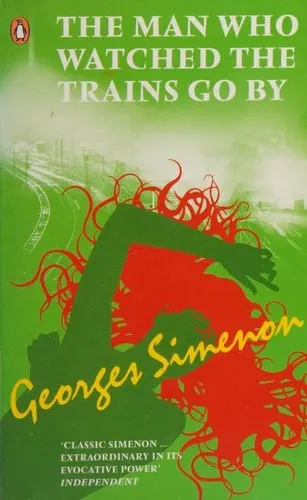
Kees Popinga has spent years being a respectable husband, father and employee in Groningen. When the apparent solidity of his life suddenly proves fraudulent, he boards a train and abandons the identity that has confined him.
This is the dark, stripped-down counterpart to The Scapegoat’s fantasy of escape. Simenon watches a man try to invent himself without offering the comfort of a stable distinction between liberation and delusion. The prose has the remorseless momentum for which Simenon’s psychological romans durs are admired: every new freedom exposes another layer of vanity, resentment or hunger. If du Maurier made you wonder whether another life could redeem a person, Simenon’s compact masterpiece asks the unnerving reverse—what if it merely reveals him?
In postwar England, Dr Faraday is drawn into the life of the Ayres family and their crumbling ancestral house, Hundreds Hall. He wants to help, but his fascination with the family—and with the threatened world they represent—makes his account increasingly difficult to read innocently.
Waters shares du Maurier’s gift for making good intentions feel ominous. Both novels place a watchful outsider inside a damaged household, then let rescue, desire and possession become almost indistinguishable. The menace here grows through small domestic disturbances, social humiliations and exquisitely controlled ambiguities rather than conventional shocks. Shortlisted for the Booker Prize, The Little Stranger has inspired lasting arguments about what truly happens; its deepest chill comes from what its narrator may be unable to understand about himself.