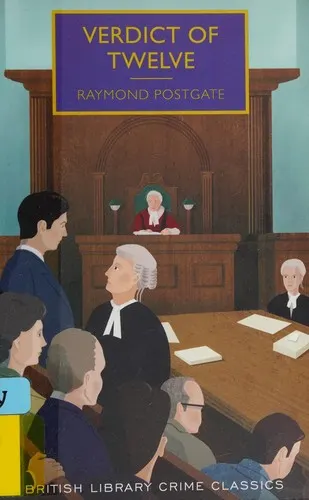
Books like Verdict of Twelve
The reader who treasures Verdict of Twelve enjoys mysteries in which character is evidence: private resentments, class assumptions and moral evasions matter as much as facts, and justice emerges as frighteningly dependent on fallible people.
If you liked Verdict of Twelve, you’ll love these
Not lookalikes — kindred books. Each one shares something essential with Verdict of Twelve, and we tell you exactly what.
Hare treats the law not as an impartial machine but as a workplace crowded with vanity, fatigue, etiquette and private grievance. As an irascible High Court judge travels the assize circuit under threat, clerks, barristers and litigants reveal the human machinery behind judicial authority.
Hare was himself a barrister and judge, so the procedural detail has effortless authenticity; yet the novel’s distinction lies in its dry comedy and exact social observation. Long regarded as a cornerstone of British legal crime fiction, it offers the same unsettling pleasure as Postgate: watching justice shaped by personalities it pretends not to possess.
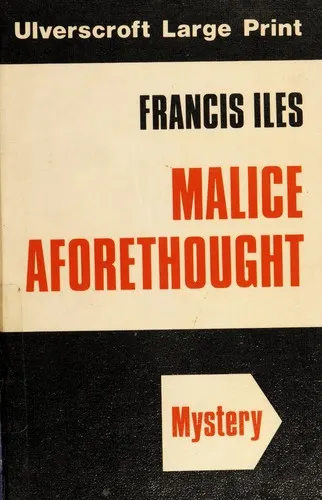
From its audacious opening, Malice Aforethought largely dispenses with the conventional question of who committed the crime. Instead, it studies Dr Bickleigh—a meek, resentful provincial doctor—and the respectable society whose humiliations and hypocrisies nourish his intentions.
Like Postgate, Iles understands that apparently ordinary people contain elaborate private systems of justification. His irony is sharper and more venomous, turning village manners into a psychological trap. A landmark of the inverted mystery, this remains startlingly modern: suspense comes not from concealed facts but from seeing how intelligence, vanity and self-deception collaborate.
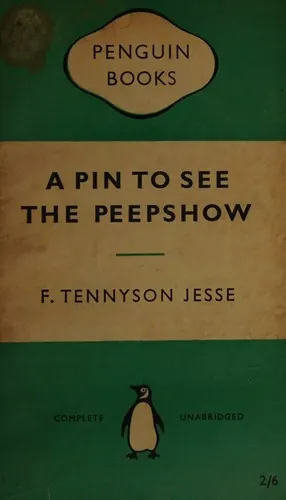
Julia Almond begins with a hunger for beauty, romance and a larger life than her cramped circumstances seem likely to allow. Jesse regards that hunger with both clear-eyed severity and profound compassion, building a richly inhabited social world in which aspiration is judged differently according to sex and class.
Inspired by a notorious British murder case, the novel becomes far more than fictionalized true crime. It asks how a life is simplified once institutions and spectators begin turning it into a verdict. Now recognized as a classic of both crime and social fiction, it magnifies Verdict of Twelve’s deepest concern: not merely whether judgment is correct, but whether society is capable of seeing the person it judges.