Author
Books like Zadie Smith
9 books we recommend to Zadie Smith readers, drawn from White Teeth, The Fraud and Swing Time — each with the reason why.
If you loved White Teeth
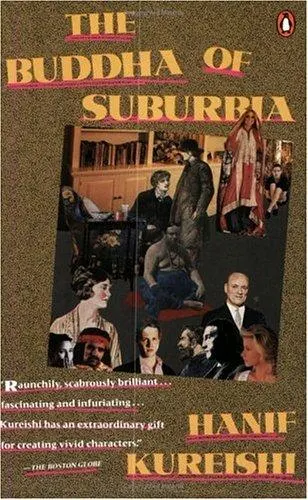
Karim Amir is a mixed-race teenager in 1970s suburbia, hungry for sex, art and escape, while his father unexpectedly reinvents himself as a spiritual guru. Kureishi turns that premise into a wonderfully indecorous comedy of self-invention: identities are tried on, sold, fetishized and discarded as Karim moves through London’s theatre and countercultural worlds.
Like White Teeth, it understands that multicultural Britain is not an earnest abstraction but a collision of vanity, desire, class ambition and family embarrassment. Its voice is naughtier and more intimate than Smith’s, but just as alive to contradiction. A landmark of modern British fiction, it remains one of the funniest and sharpest novels about becoming yourself while everyone else is busy deciding what you represent.
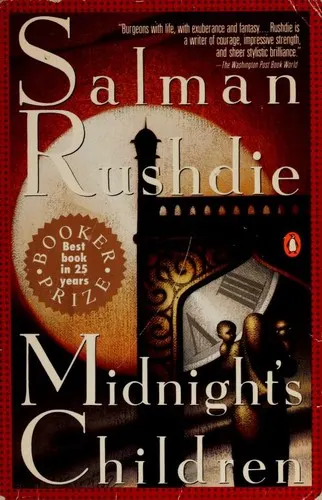
Saleem Sinai is born at the precise moment of Indian independence and becomes convinced that his body and family history are inseparable from the nation’s. From that magnificent conceit, Rushdie builds a teeming saga in which private grudges, political upheavals, coincidences and inherited stories continually remake one another.
Readers who loved Smith’s delight in improbable connections—and her suspicion that history hides inside teeth, genes and domestic feuds—will recognize a kindred imagination here, operating at full mythmaking scale. Saleem’s exuberant, unreliable narration makes the book feel perpetually on the verge of overflowing. Winner of the Booker Prize and later voted the best novel in the prize’s history, it earned that stature by showing how the family saga could become riotous, self-questioning and vast.
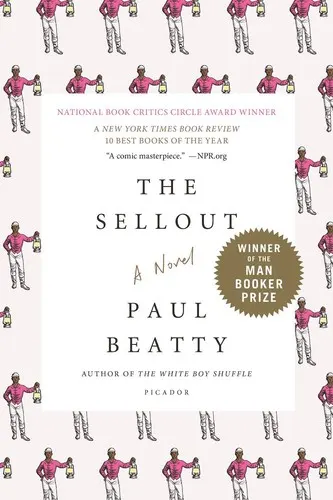
Beatty begins with an outrageous courtroom predicament, then lets his narrator explain how he got there. What follows is satire with the velocity of stand-up and the density of an essay: jokes arrive so quickly that their intellectual aftershocks often hit a page later.
The kinship with White Teeth lies less in subject than in comic method. Both novels refuse to make race, history or belonging solemn simply because they are serious; both expose the absurdities produced when public theories are forced onto unruly human lives. Beatty is harsher, stranger and more confrontational than Smith, but he shares her appetite for language that can think and misbehave simultaneously. The first American novel to win the Booker Prize, The Sellout is that rare decorated book whose audacity still feels genuinely dangerous.
If you loved The Fraud
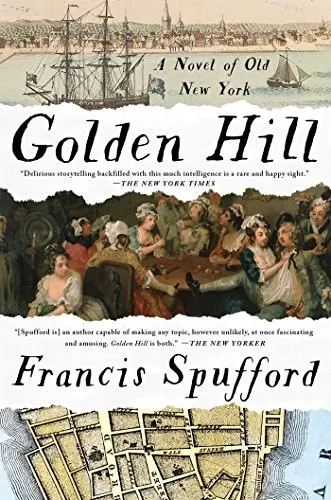
A mysterious young man arrives in 1746 New York carrying an enormous bill of exchange, and everyone must decide whether he is wealthy, dangerous, or simply a fraud. Spufford turns that uncertainty into a wonderfully nimble comedy of money, manners, theatre, and self-invention.
Like Smith, he recreates an earlier literary world without becoming trapped inside pastiche. The language has period exuberance, but the novel’s intelligence is unmistakably modern: it notices whose freedom supports everyone else’s performance and what a supposedly open society prefers not to see. Winner of the Costa First Novel Award, Golden Hill is both an ingenious entertainment and a moral trapdoor—the kind of book whose full design becomes visible only after it has already delighted you.
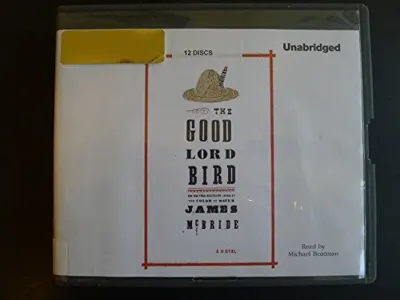
McBride gives the story of abolitionist John Brown to Henry Shackleford, an enslaved child who survives through disguise, improvisation, and magnificent unreliability. Henry’s voice is fast, shameless, frightened, and extremely funny; history becomes not a solemn procession of important men but a scramble of misunderstandings, appetites, legends, and desperate acts.
A lover of The Fraud will recognize the audacity of using comedy to approach racial violence without diminishing it. McBride dismantles heroic mythology while discovering something genuinely moving inside it, and he makes the marginal witness more compelling than the official record. The novel won the National Book Award, deservedly: few historical novels are this entertaining sentence by sentence, and fewer still make laughter feel like a form of historical correction.
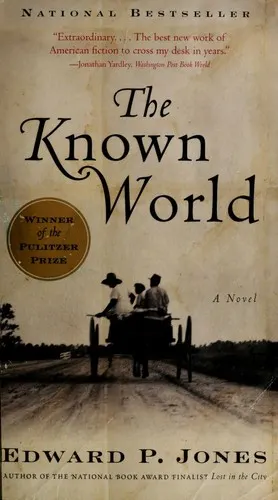
Jones begins with the death of Henry Townsend, a Black slaveholder in antebellum Virginia, then opens outward into the lives bound to his plantation and community. The central contradiction is startling, but Jones refuses to treat it as a clever historical anomaly. Instead, he shows an entire moral system teaching people to mistake ownership, law, and custom for reality.
Where The Fraud questions testimony and public narrative, The Known World quietly undermines the authority of history itself. Its omniscient narrator invokes imaginary maps, censuses, and later scholars, moving through time with an almost biblical assurance while exposing how incomplete every record must be. Jones’s deadpan irony and profound attention to minor lives earned the novel the Pulitzer Prize and enduring critical devotion. It is one of those rare books that seems not merely researched but fully inhabited—a world you cannot forget once you have entered it.
If you loved Swing Time
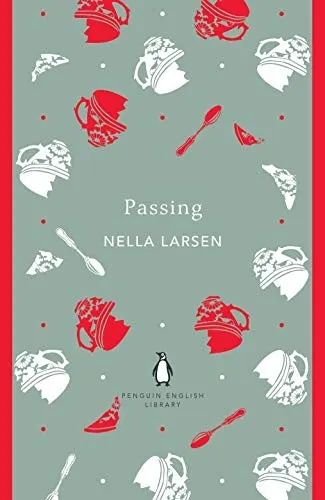
Irene Redfield’s reunion with the magnetic Clare Kendry has the same dangerous imbalance as the central friendship in Swing Time: one woman watches, judges, envies, and cannot look away from the other. Larsen makes admiration feel inseparable from rivalry, while race and class shape what each woman can risk and who she is allowed to become.
One of the Harlem Renaissance’s sharpest novels, Passing is astonishingly compressed: every polished conversation carries concealed desire or threat. Smith’s novel sprawls across years and continents; Larsen achieves comparable psychological force in little more than a hundred pages. Its final ambiguity keeps readers arguing because the real mystery is not what people do, but what they cannot admit to themselves.
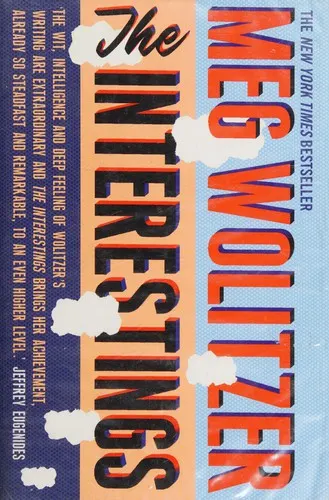
At an arts camp in the 1970s, awkward Jules Jacobson falls in with a charismatic group who seem destined for extraordinary lives. Wolitzer then follows them across decades, asking the question that quietly torments Swing Time: what happens when youthful talent hardens into unequal adult lives?
Jules’s attachment to the beautiful, affluent Ash is rendered with exquisite discomfort—love shaded by resentment, loyalty compromised by money. Wolitzer is especially good on the difference between possessing talent and being recognized for it, and on how wealth can masquerade as virtue. This generous, absorbing novel became one of her defining books because it turns comparison, that most private of shames, into the engine of an entire life.
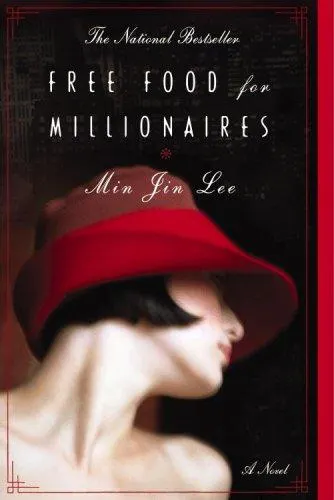
Before Pachinko made Min Jin Lee internationally famous, her ambitious debut followed Casey Han, a brilliant Korean American Princeton graduate entering New York adulthood with expensive tastes, little money, and no reliable map for crossing between social worlds. Lee gives cash, clothes, jobs, and apartments their full emotional weight: every choice exposes who can afford failure and who cannot.
What will grip a Swing Time reader is Casey’s mixture of hunger and self-sabotage. She is perceptive enough to see the systems around her but not always disciplined enough to escape them; her friendships and romances become tests of pride, dependence, and class allegiance. Big, intimate, and compulsively readable, Free Food for Millionaires makes social mobility feel less like an ascent than a series of morally charged bargains.