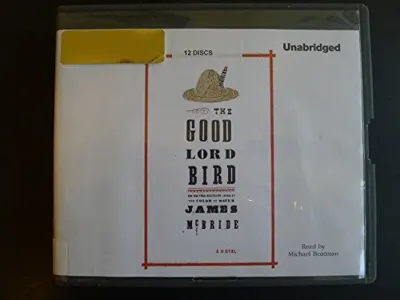
Books like The Good Lord Bird
What lasts is Onion’s impossible voice: frightened and boastful, shrewd and naïve, turning a sanctified chapter of history into a riotous human mess without diminishing its horror.
If you liked The Good Lord Bird, you’ll love these
Not lookalikes — kindred books. Each one shares something essential with The Good Lord Bird, and we tell you exactly what.
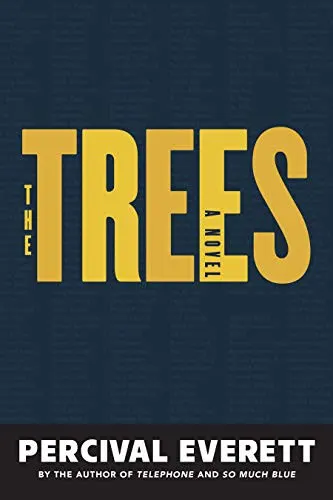
Everett performs a similarly dangerous balancing act: he makes racial terror ferociously funny without making it less terrifying. When a series of uncanny murders unsettles Money, Mississippi, the investigation expands into a reckoning with the violence America prefers to file away as history.
Shortlisted for the Booker Prize, The Trees moves with the snap of a crime caper while accumulating biblical fury. Its deadpan dialogue, grotesque comedy, and abrupt shifts into grief will feel exhilaratingly familiar to a McBride reader. Like The Good Lord Bird, it uses laughter not as relief from the past but as a weapon against the lies told about it.
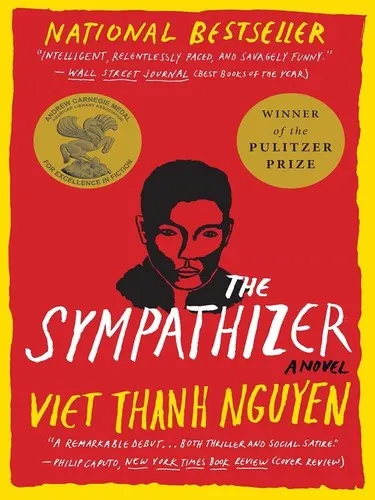
If Onion’s narration is what you loved most, meet another storyteller whose divided loyalties make every sentence unstable. Nguyen’s unnamed narrator is a South Vietnamese military officer, a communist spy, and a man gifted at seeing every side of an argument—often to his own ruin.
This Pulitzer Prize winner is at once an espionage novel, a confession, and a savage comedy about ideology. Nguyen punctures the heroic myths nations manufacture while keeping his compromised narrator intimate, witty, and painfully alive. Few novels match McBride’s ability to make historical absurdity entertaining sentence by sentence; this one does.
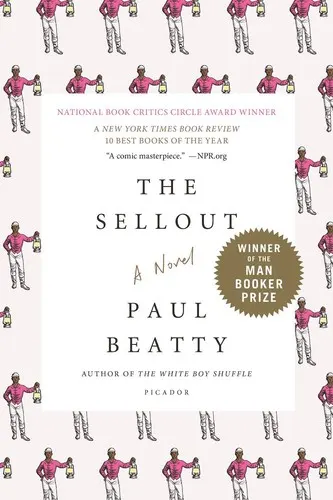
Beatty begins with an outrageous legal predicament and refuses to become respectable from there. His narrator, a Black farmer from a neglected corner of Los Angeles, responds to his community’s erasure with schemes so indefensible—and so rigorously argued—that the novel keeps forcing laughter into collision with disbelief.
The first American novel to win the Booker Prize, The Sellout earned its reputation through verbal daring rather than solemn importance. Its jokes arrive as riffs, reversals, insults, and intellectual ambushes, yet beneath them lies a serious question McBride also pursues: what happens when the official language of racial progress bears little relation to lived reality? Miss it, and you miss one of the few modern satires bold enough to make its own brilliance part of the danger.