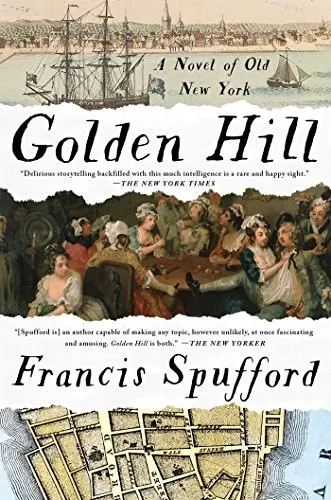
Books like Golden Hill
After Golden Hill, ordinary historical fiction can feel painfully tame: what is wanted is another novel with verbal swagger, intricate deception, comic momentum, and a final moral weight greater than its games initially suggest.
If you liked Golden Hill, you’ll love these
Not lookalikes — kindred books. Each one shares something essential with Golden Hill, and we tell you exactly what.
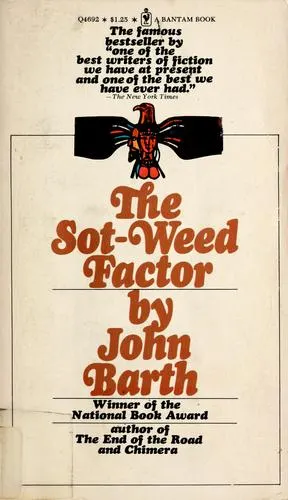
Barth offers the closest equivalent to Spufford’s sheer linguistic high spirits. His hapless poet Ebenezer Cooke ventures into colonial Maryland armed with ideals that reality gleefully dismantles. The prose is bawdy, mock-archaic, digressive and prodigiously inventive; disputed stories and counterfeit identities multiply until history itself seems to be improvising.
Now regarded as a landmark of American postmodern fiction, it is far larger and wilder than Golden Hill, but shares its rare ability to make intellectual play feel physically exhilarating. If Spufford’s combination of eighteenth-century ventriloquism and audacious narrative mischief delighted you, Barth’s comic epic is too important—and too much fun—to leave unread.
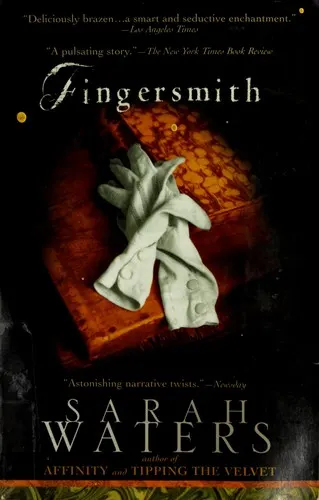
Sue Trinder, raised among thieves, is recruited into a scheme to defraud a sheltered heiress. That is all it is safe to say. Like Golden Hill, Fingersmith makes money, trust and concealed motives into the machinery of suspense—and then uses that machinery to expose how readily readers mistake a convincing story for the truth.
Waters controls revelation with extraordinary precision: each new understanding deepens the characters rather than merely springing a trick. Yet beneath the bravura plotting is an intensely felt novel about captivity, desire and the stories imposed upon people. Shortlisted for both the Booker and Orange prizes, it has become a modern classic of narrative surprise. Anyone who loved the way Golden Hill’s deceptions acquire emotional and ethical force should read it before learning anything else about it.
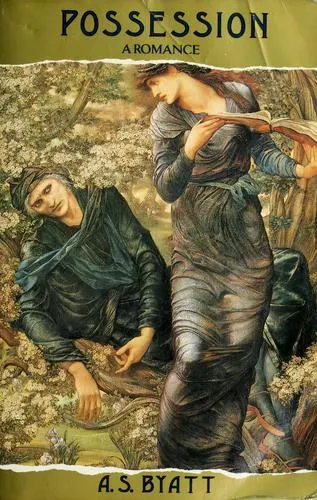
Possession begins with a literary scholar discovering an unexpected draft of a letter hidden inside an old book. From that small breach in the record, Byatt constructs a magnificent chase through archives, poems, diaries and competing interpretations.
The kinship with Golden Hill lies in virtuosic ventriloquism. Byatt does not merely describe the Victorians: she invents their poetry, arguments, jokes and intellectual weather, while letting the modern investigators’ assumptions collide with the stubborn complexity of vanished lives. The result is at once a mystery, a comedy of scholarship and an unusually intelligent romance. Its Booker Prize is no mystery: few novels demonstrate so seductively that historical invention can be both a dazzling game and a route to genuine feeling.