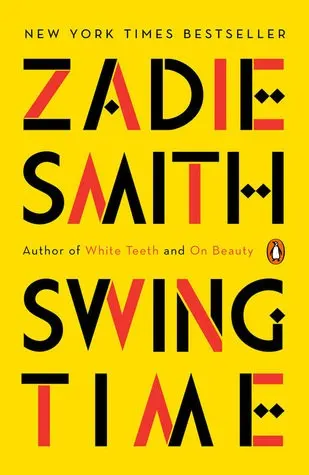
Books like Swing Time
That bright, propulsive pleasure with a bruise beneath it—the pull of gifted friends, the shame of comparison, and the knowledge that every rise has a cost—runs through these books.
If you liked Swing Time, you’ll love these
Not lookalikes — kindred books. Each one shares something essential with Swing Time, and we tell you exactly what.
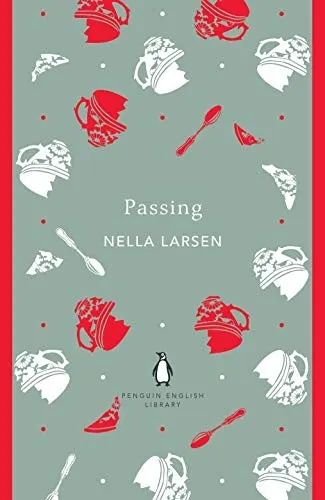
Irene Redfield’s reunion with the magnetic Clare Kendry has the same dangerous imbalance as the central friendship in Swing Time: one woman watches, judges, envies, and cannot look away from the other. Larsen makes admiration feel inseparable from rivalry, while race and class shape what each woman can risk and who she is allowed to become.
One of the Harlem Renaissance’s sharpest novels, Passing is astonishingly compressed: every polished conversation carries concealed desire or threat. Smith’s novel sprawls across years and continents; Larsen achieves comparable psychological force in little more than a hundred pages. Its final ambiguity keeps readers arguing because the real mystery is not what people do, but what they cannot admit to themselves.
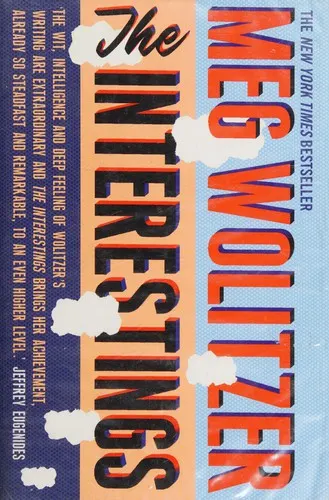
At an arts camp in the 1970s, awkward Jules Jacobson falls in with a charismatic group who seem destined for extraordinary lives. Wolitzer then follows them across decades, asking the question that quietly torments Swing Time: what happens when youthful talent hardens into unequal adult lives?
Jules’s attachment to the beautiful, affluent Ash is rendered with exquisite discomfort—love shaded by resentment, loyalty compromised by money. Wolitzer is especially good on the difference between possessing talent and being recognized for it, and on how wealth can masquerade as virtue. This generous, absorbing novel became one of her defining books because it turns comparison, that most private of shames, into the engine of an entire life.
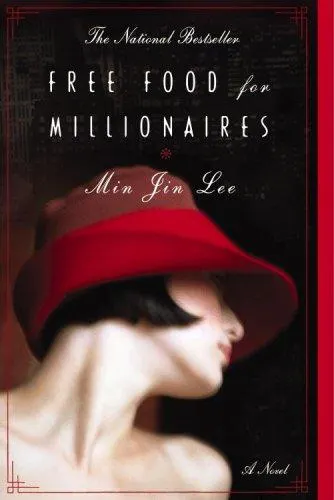
Before Pachinko made Min Jin Lee internationally famous, her ambitious debut followed Casey Han, a brilliant Korean American Princeton graduate entering New York adulthood with expensive tastes, little money, and no reliable map for crossing between social worlds. Lee gives cash, clothes, jobs, and apartments their full emotional weight: every choice exposes who can afford failure and who cannot.
What will grip a Swing Time reader is Casey’s mixture of hunger and self-sabotage. She is perceptive enough to see the systems around her but not always disciplined enough to escape them; her friendships and romances become tests of pride, dependence, and class allegiance. Big, intimate, and compulsively readable, Free Food for Millionaires makes social mobility feel less like an ascent than a series of morally charged bargains.