Books like White Teeth
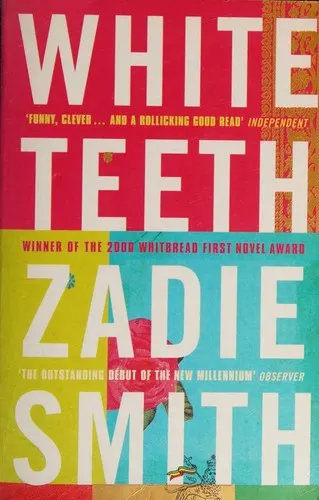
White Teeth fizzes with the sense that every family quarrel opens onto an argument about history, faith, race or science—and that the argument might end in a joke no one saw coming. These three novels share that crowded, brainy exuberance.
If you liked White Teeth, you’ll love these
Not lookalikes — kindred books. Each one shares something essential with White Teeth, and we tell you exactly what.
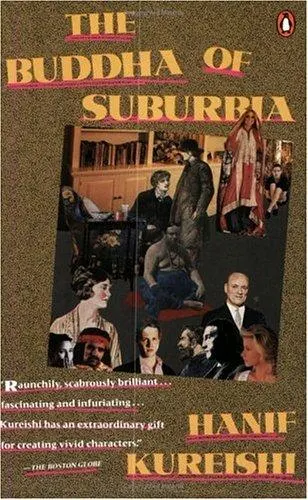
Karim Amir is a mixed-race teenager in 1970s suburbia, hungry for sex, art and escape, while his father unexpectedly reinvents himself as a spiritual guru. Kureishi turns that premise into a wonderfully indecorous comedy of self-invention: identities are tried on, sold, fetishized and discarded as Karim moves through London’s theatre and countercultural worlds.
Like White Teeth, it understands that multicultural Britain is not an earnest abstraction but a collision of vanity, desire, class ambition and family embarrassment. Its voice is naughtier and more intimate than Smith’s, but just as alive to contradiction. A landmark of modern British fiction, it remains one of the funniest and sharpest novels about becoming yourself while everyone else is busy deciding what you represent.
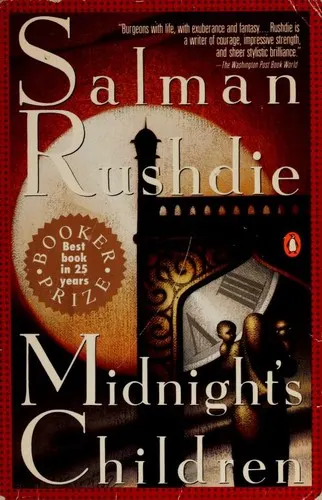
Saleem Sinai is born at the precise moment of Indian independence and becomes convinced that his body and family history are inseparable from the nation’s. From that magnificent conceit, Rushdie builds a teeming saga in which private grudges, political upheavals, coincidences and inherited stories continually remake one another.
Readers who loved Smith’s delight in improbable connections—and her suspicion that history hides inside teeth, genes and domestic feuds—will recognize a kindred imagination here, operating at full mythmaking scale. Saleem’s exuberant, unreliable narration makes the book feel perpetually on the verge of overflowing. Winner of the Booker Prize and later voted the best novel in the prize’s history, it earned that stature by showing how the family saga could become riotous, self-questioning and vast.
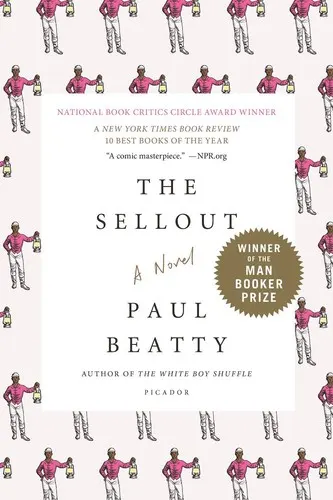
Beatty begins with an outrageous courtroom predicament, then lets his narrator explain how he got there. What follows is satire with the velocity of stand-up and the density of an essay: jokes arrive so quickly that their intellectual aftershocks often hit a page later.
The kinship with White Teeth lies less in subject than in comic method. Both novels refuse to make race, history or belonging solemn simply because they are serious; both expose the absurdities produced when public theories are forced onto unruly human lives. Beatty is harsher, stranger and more confrontational than Smith, but he shares her appetite for language that can think and misbehave simultaneously. The first American novel to win the Booker Prize, The Sellout is that rare decorated book whose audacity still feels genuinely dangerous.